Roofing Capabilities in Kent, WA
A useful roof program connects what was observed to what the owner must decide next. We inspect, document, maintain and plan low-slope and metal commercial roofs, keeping the record tied to the property and date. Kent Valley industrial facilities and Downtown Kent mixed-use properties may share an owner, but access, operations and roof conditions remain site-specific.
Roofing Capabilities
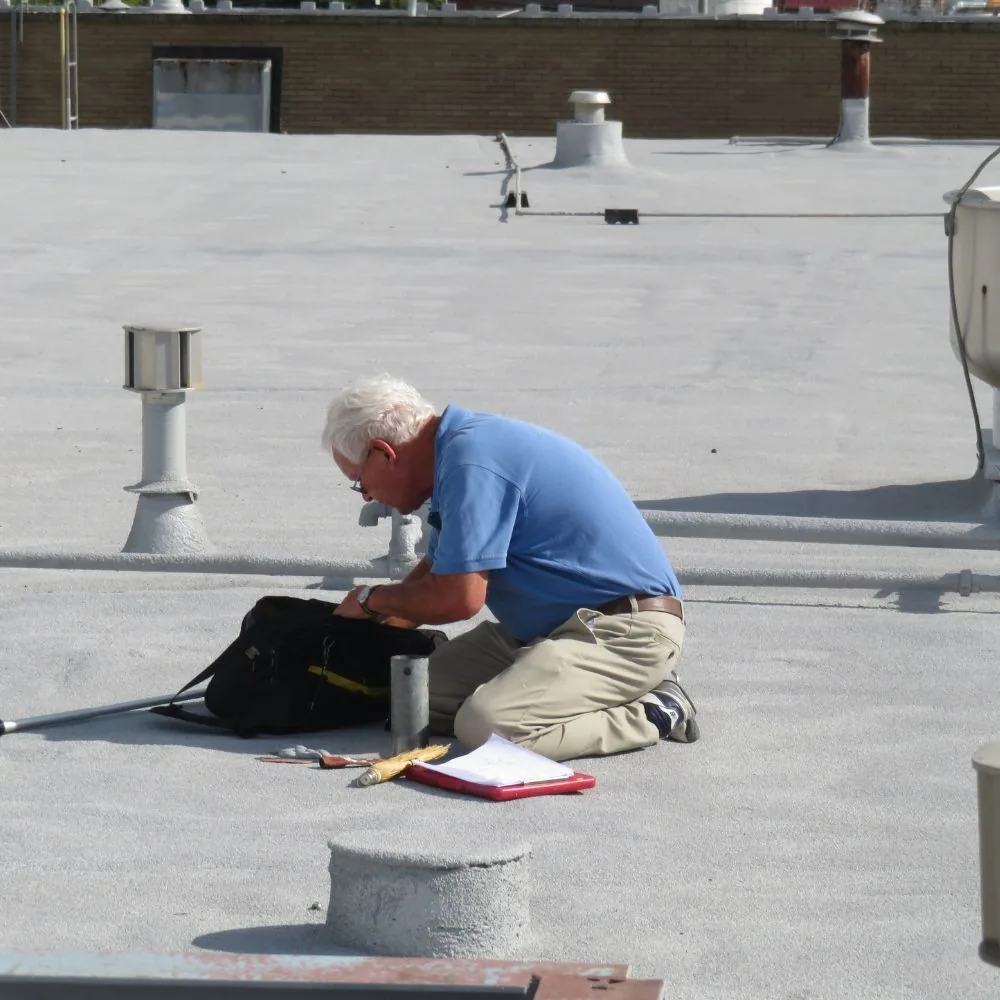
Track Kent commercial roof condition, service history, access limits, and upcoming decisions in one building-level asset record for each site.
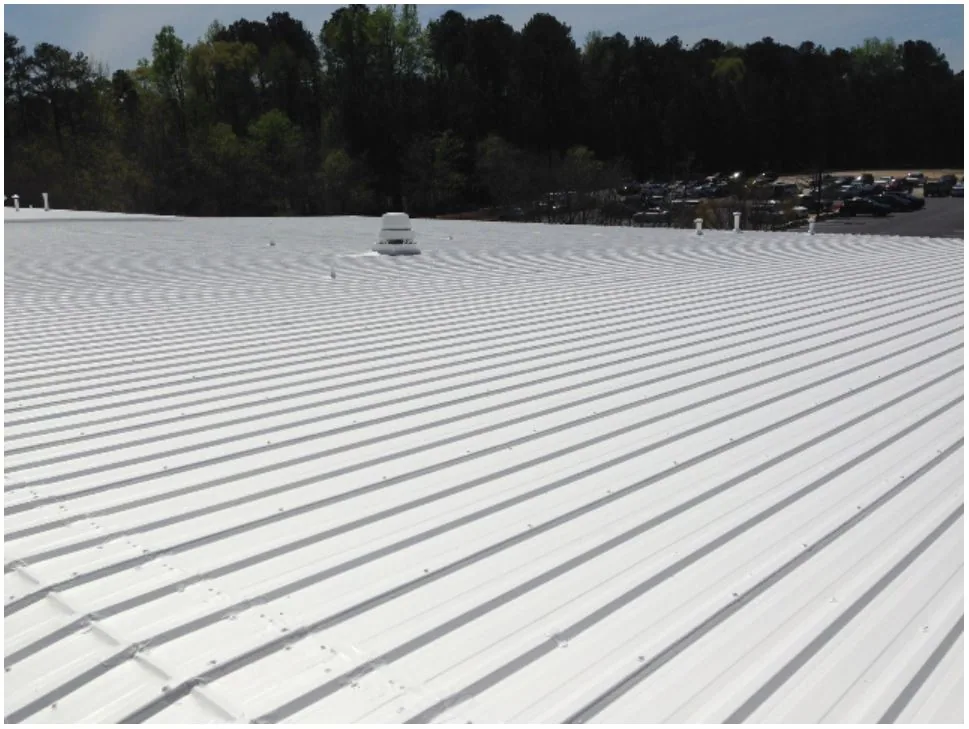
Set Kent roof budgets from documented condition, repair history, access needs, and replacement timing across commercial properties.
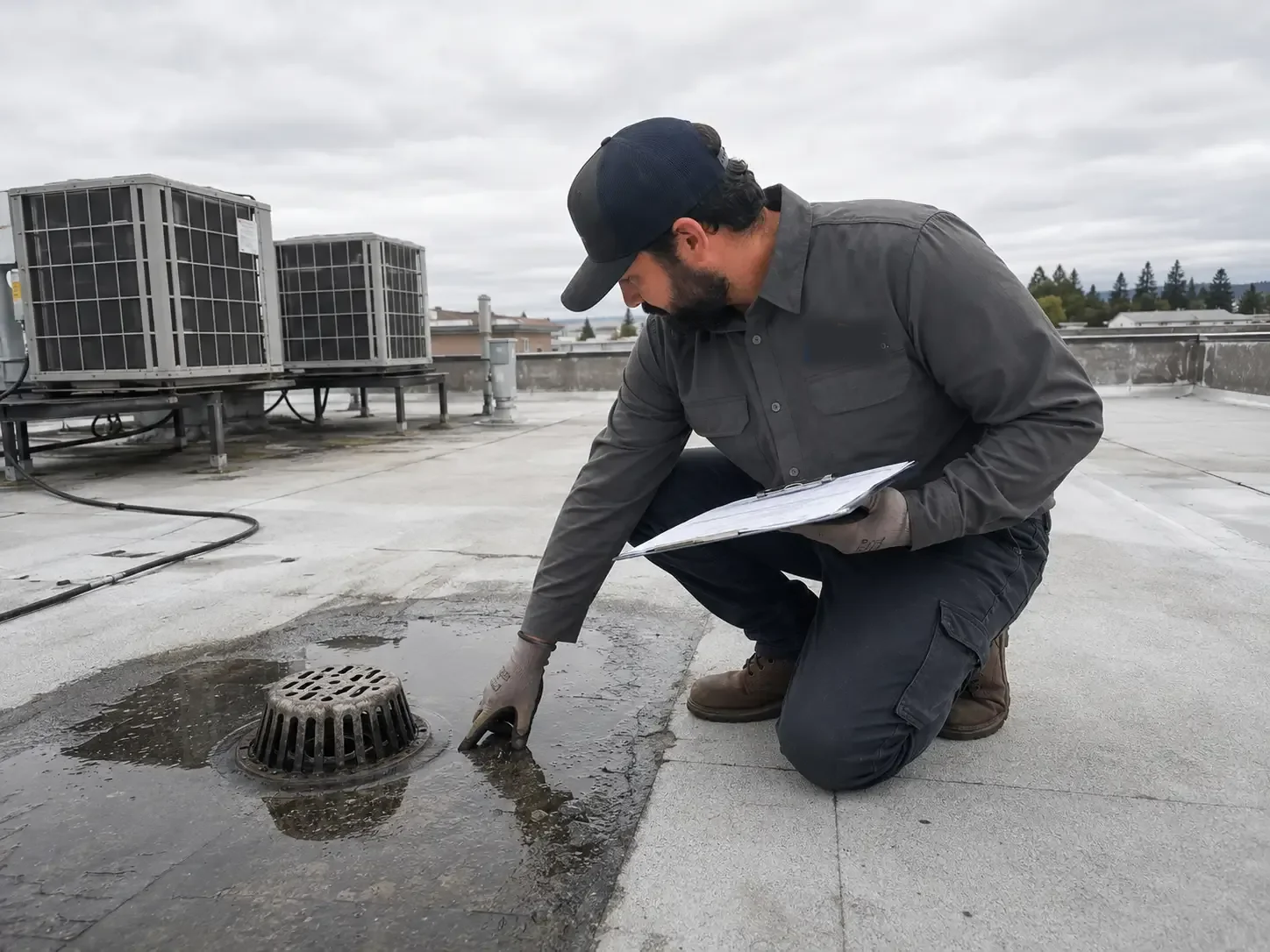
Get a Kent roof condition report with location-labeled photographs, inspection limits, ranked repairs, and decisions tied to the building record.
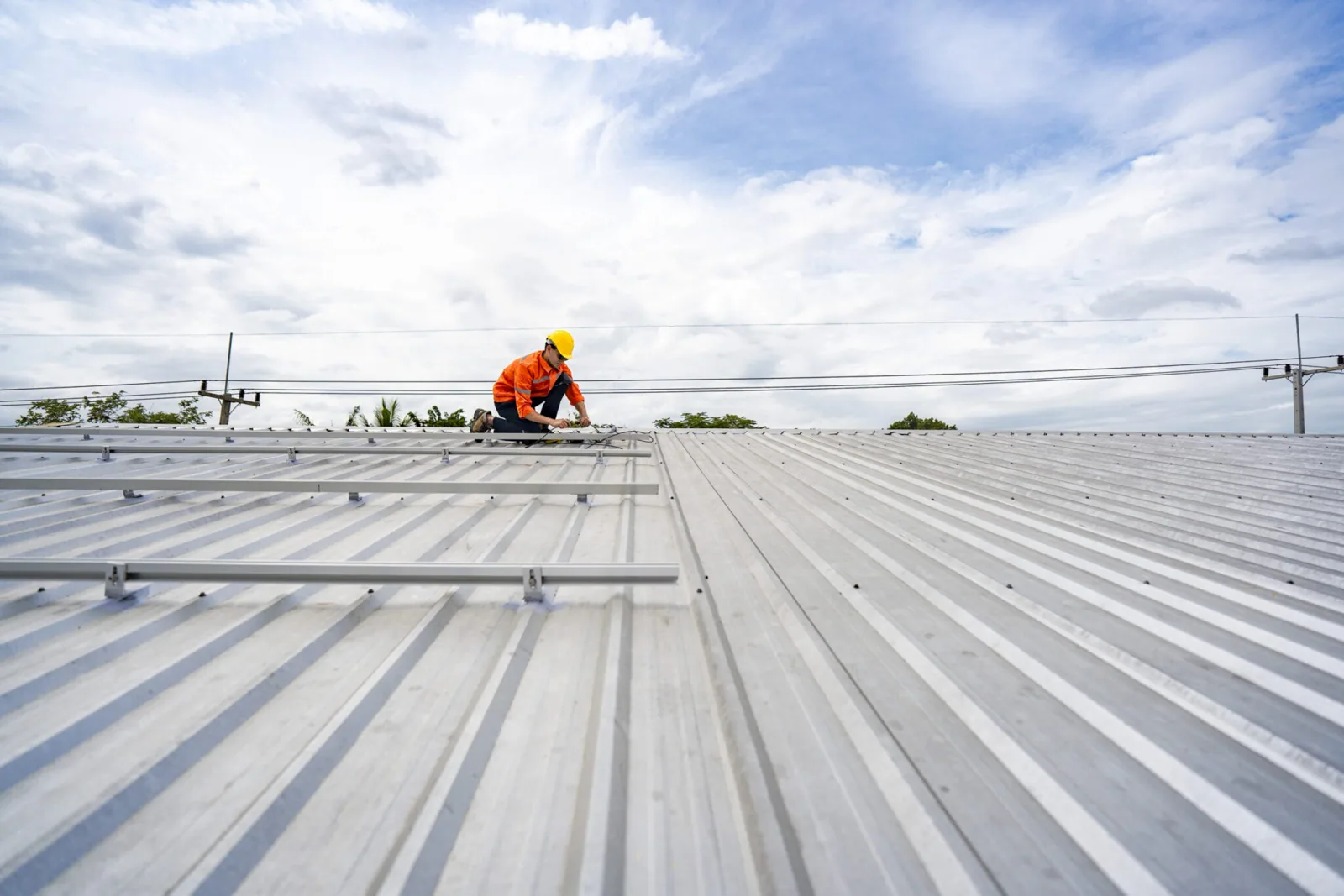
Keep Kent commercial roof warranty documents, inspections, repair records, and notice dates organized by building and roof system.
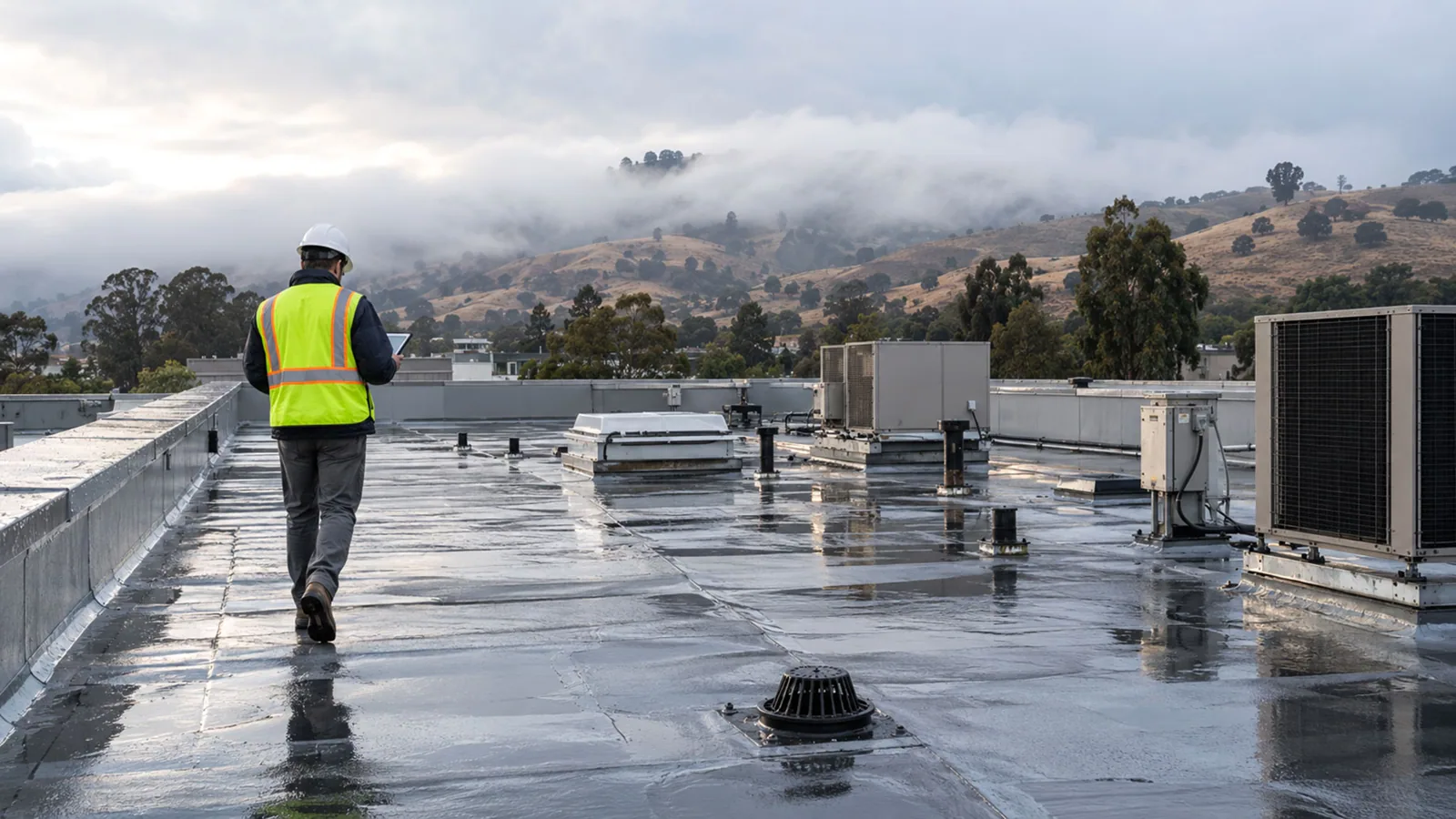
Review Kent commercial roofs for acquisition or refinancing with mapped observations, testing limits, repair priorities, and scope assumptions.
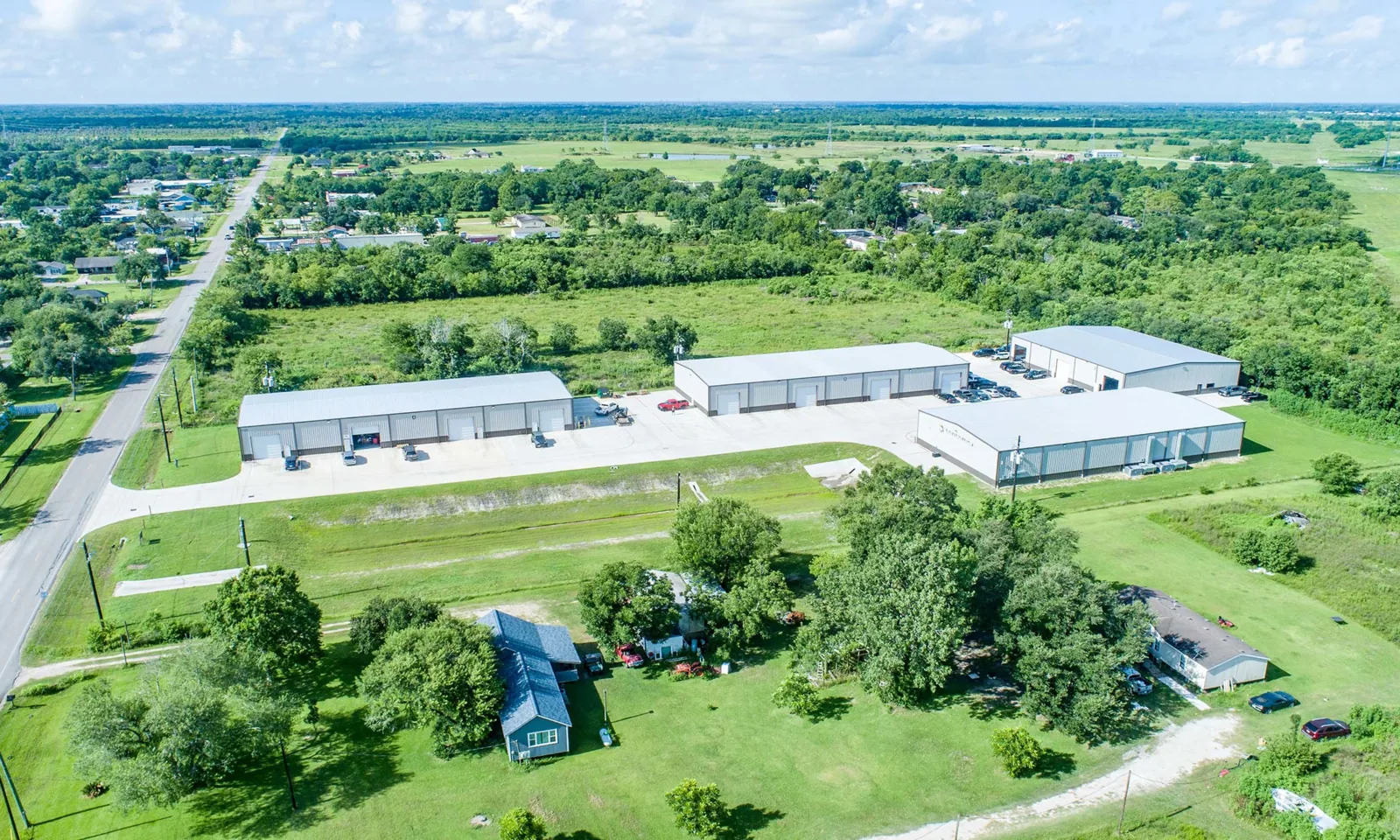
Coordinate inspections, repairs, and capital work across Kent-area properties with separate roof records, practical access plans, and clear approvals.
What should a roof record contain?
A condition report should identify roof zones, visible defects, photographs, access limits, repair history and follow-up needs. Roof asset management can keep inspection dates, open work, warranty documents and decision owners together across a portfolio. Reports should distinguish field observations from information supplied by a tenant or prior contractor.
When a purchase or financing decision is pending, a due-diligence survey can document accessible conditions and exclusions. It does not establish hidden conditions without testing or promise remaining service life.
How does a condition become a capital item?
A capital plan separates immediate repair, testing, planned renewal and contingency. It records the evidence behind a proposed year and the event that should trigger earlier review. For multiple properties, multi-site coordination can standardize fields while retaining each building’s quantities, access rules and inspection date.
That distinction matters in Kent Valley, where manufacturing and distribution schedules can control roof access. Near Kent Station, retail, service and transit activity may affect staging. Neither regional setting supplies the roof condition; inspection and owner records do.
Which work can reduce uncertainty?
Scheduled maintenance can record drainage, seams, flashings, edges and prior repairs before a leak becomes an urgent scope. Preventive maintenance should leave a dated finding and assigned follow-up, not a vague note that the roof was checked. A drone inspection may assist with visual access where conditions and permissions allow, but it cannot verify concealed moisture.
When testing could affect removal quantities, we define the suspected zone and the decision the test can change. Keep untested areas marked as unverified. If findings indicate widespread deterioration, compare repair with replacement on the same measured basis.
What makes the recommendation usable?
A decision-ready record names the scope, exclusions, access assumptions, cost drivers, work window and approval point. It should show which conditions are verified and which remain open. In a Kent Valley production facility, the schedule may need to preserve loading and equipment paths; in a Downtown Kent property, tenant and visitor routes may set separate limits.
Send the building roster, plans, repair history, reports, access contacts and funding date. We can identify whether the next step is maintenance, testing, repair, or a replacement estimate, then keep the record current as new evidence arrives.
Commercial Roofing Questions
Can roof condition be tracked across several properties?
Yes, with common fields for inspection date, findings, repair history, open items and decision timing. Keep measurements and conditions attached to each individual address.
Does a drone inspection verify moisture below the membrane?
No. It can help view surfaces or details that are difficult to reach. Concealed moisture requires an appropriate test method and confirmation.
How should an owner set a replacement year?
Use current findings, repair history, known assembly and project constraints as planning inputs. Record assumptions and a review trigger; a target year is not a promise of service life.
What should be included in a condition report?
Include roof zones, dated photographs, observed defects, areas not reached, reported history, recommended next steps and the evidence behind each recommendation.
Set the next roof decision against current evidence
Send the building list, roof records, access calendar and capital deadline. We will document the condition and identify the inspection or scope that answers the next question.