
Commercial Roof Capital Planning in Kent, WA
Roofing Capabilities
A roof budget should make clear which work protects the building now, which investigation can change the scope, and which replacement belongs in a future capital year. We connect inspection observations, repair history, and operating constraints to a planning record that owners can update as evidence changes. The output is not a promise that a roof will last to a target date; it shows the basis for a budget assumption and the next review needed to keep it useful.
Kent Valley's industrial base includes aerospace, manufacturing, logistics, and distribution, while Downtown Kent is planned for civic, commercial, cultural, housing, and transit uses. Kent Station sits within that downtown mix. A portfolio can include different property and access conditions across these places, so capital planning should not assign one schedule or remaining service life to every building.
Share the roof list, available plans, prior repairs, latest reports, operating calendars, and budget deadlines. We can separate near-term risk, testing, repair, and replacement options before the owner sets a funding request.
Which evidence changes the budget request?
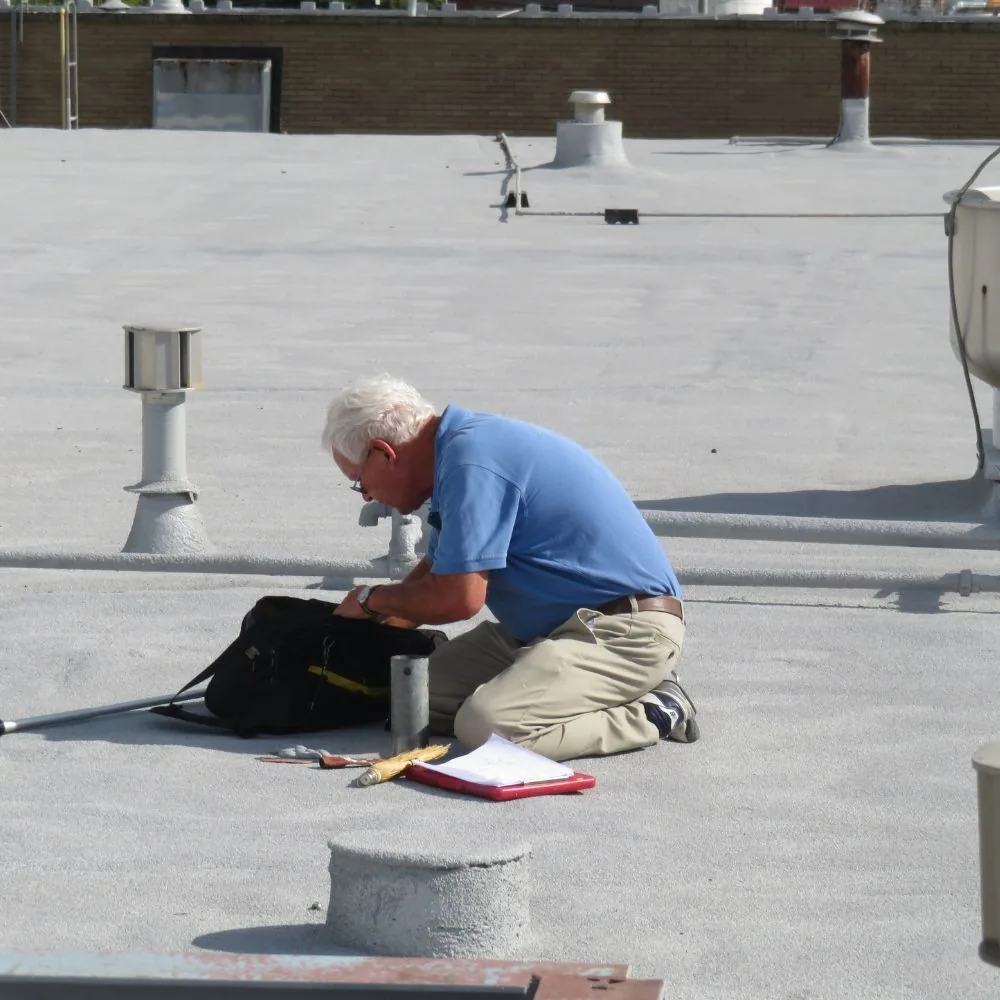
Start with the condition that was actually observed. A report should identify roof zones reached, visible defects, test results, access limits, and the date of each finding. Add repair invoices and recurring leak calls, but keep reported history distinct from field confirmation. A single repair may resolve a local detail; repeat work in several zones can justify further testing or replacement analysis. The budget file should show why the recommendation changed, not only the current total.
Roof size, assembly, drainage, penetrations, deck condition, equipment, and occupied-area constraints all affect scope. If roof plans conflict with field conditions, list the discrepancy and identify whether measurement or a test opening is needed. A condition report with mapped findings can support a funding request, and asset management records can keep the next inspection and approval date attached to the right building.
Use a replacement year as a planning assumption, not proof that the roof will fail then. State which evidence supports that timing and what event would prompt an earlier review. That might be a recurring leak, a test result showing broader wet insulation, or a facility change that affects access and equipment. Carry the estimate date and exclusions with the amount so a later reviewer can see what needs updating.
How should repair and replacement options compare?
For a bounded defect, price repair with the preparation, materials, access, and concealed-condition process stated. If surrounding membrane or insulation is unsuitable, a repeated patch can consume budget without moving the building toward a durable scope. Replacement estimates should define removal, new assembly, insulation and deck allowances, drainage, edge details, equipment coordination, temporary protection, phases, and closeout requirements. Show optional testing or upgrades separately from required work.
Comparisons need the same scope assumptions. A repair price for one roof zone should not be compared with a replacement price that includes drainage, curbs, and several buildings unless the differences are stated. A targeted repair proposal and a replacement estimate can be assessed against the same decision date. If the property is under acquisition review, a transaction roof survey may answer a separate question from the owner's long-range capital plan.
Kent's current building and energy code framework can affect replacement design and insulation assumptions. Permit and code applicability depends on the project scope and official review, so retain those assumptions in the budget rather than treating an early allowance as final design.
Tie each phase to access and weather
Sequence matters when removal exposes the building. Nearby Sea-Tac normals show greater precipitation during the cool season than in July and August. The station record is regional context, not a Kent property forecast. Use it to recognize that a proposed opening schedule may need a tighter dry-in plan in wetter months, then confirm current weather and roof conditions before work.
Production schedules in Kent Valley can shape when crews can use loading areas, equipment routes, or sections above active operations. Near Kent Station, shared parking and visitor access can set separate staging limits. Those constraints belong beside the project phase and not in a generic note. A multi-building program may sequence urgent repairs first, then group replacement mobilizations where access and funding allow. A narrow work window can add remobilizations, after-hours coordination, or protection below; list those cost and schedule assumptions separately.
A multi-site roof program can show property-level scope and timing while preserving each roof's separate findings. For Kent Station properties, confirm access with the site contact. The work calendar should also name a decision owner, approved stop points, and what happens if weather or concealed conditions alter the phase.
Maintain a budget that can be revised
Keep immediate repair, investigation, planned replacement, and contingency in distinct lines. State the area covered, estimate basis, exclusions, and date of the underlying report. If a roof has not been reached or measured, mark that limitation instead of assigning a precise quantity. When removal exposes a different assembly, update the budget after documenting the field condition and obtaining authorization for the added scope.
For each property, list the capital year, next inspection date, access contact, warranty information, and outstanding approval. Review the plan when new repair calls, test results, tenant changes, or equipment projects affect the roof. Downtown Kent's mix of civic and commercial activity differs from Kent Valley's industrial setting, so an owner can use a common format while scheduling by actual site constraints.
Send the building roster, reports, repair log, budget cycle, and decision deadline. We will connect the next inspection or estimate to a defined capital question and identify assumptions that still need field confirmation.
Commercial Roofing Questions
How certain can a roof replacement year be?
It is a planning estimate based on current condition, repair history, and known constraints. It should remain distinct from a promise about service life. New testing, concealed damage, or recurring failures can move the date, so state what evidence supports the year and when it should be reviewed.
Should repair and replacement both be priced?
When both remain technically reasonable, comparing them can show whether a limited repair addresses the observed defect or only delays a broader scope. We identify the assumptions, boundaries, and exclusions for each option so the owner can compare costs and timing on a consistent basis.
Can one capital plan cover Kent Valley and Downtown Kent assets?
A shared format can track budget year, report date, open work, and decision owner. Keep each building's condition and access plan separate. Kent Valley operating schedules and Downtown Kent tenant or visitor access can change timing even when the funding process is shared.
What makes a roof budget change after approval?
A field measurement, test result, concealed deck condition, access change, or owner-directed scope revision can affect price or sequence. Document the finding and its impact before updating the budget. Keep the original authorization and revised estimate together for audit and closeout.
Related Roofing Work
Set the budget question and the date it must be answered
Send the building list, roof records, repair history, access calendars, and funding deadline. We will separate observed needs from planning assumptions and identify the inspection, test, or estimate that can resolve the next decision.