
Commercial Roof Condition Reports in Kent, WA
Roofing Capabilities
A roof report should let an owner find the observed condition, understand why it matters, and decide what to authorize. A folder of unlabeled photographs cannot show which roof zone was reached or whether a repair was completed. We connect each observation to a location, image, access limit, and recommended next step. The report separates what was visible from what needs testing, so a capital decision does not treat an assumption as a field finding.
Kent Valley has a large manufacturing, aerospace, logistics, and distribution base. Downtown Kent is a planned regional center with business, government, cultural, housing, and transit uses, including Kent Station and accesso ShoWare Center. A report can use the same structure across these properties while identifying different operating contacts and access limits. Local setting informs coordination; it does not establish the roof system or condition.
Share the roof plan, prior reports, leak history, repair records, access rules, and the decision date. We will document the areas reached and organize findings so maintenance, ownership, and capital teams can use the same record.
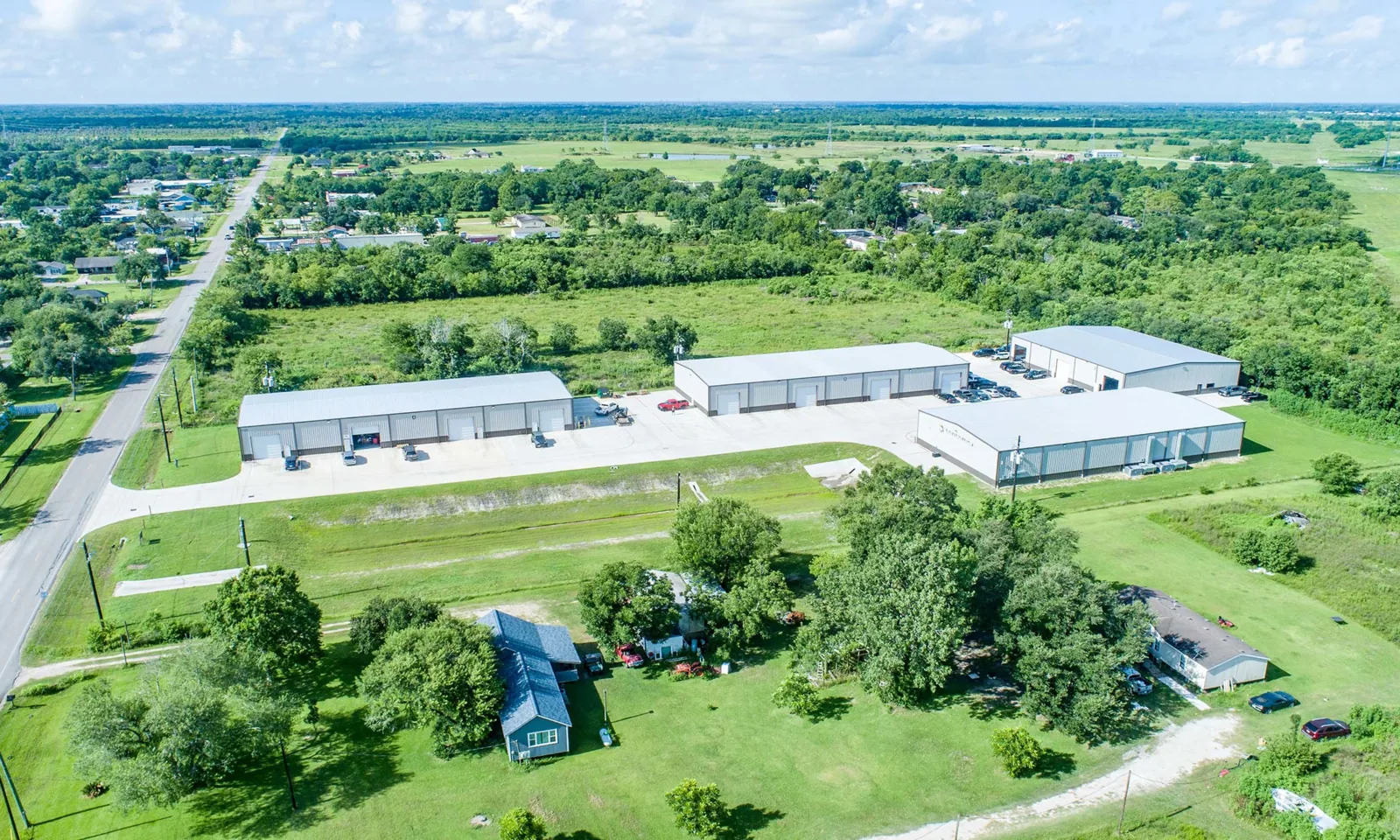
What should each photograph prove?
Begin with a wide view that orients the reader to the roof zone, then capture the detail that supports the finding. A close image of a split seam should include a label or note that helps the next person locate it. Drainage, flashings, curbs, edges, patches, penetrations, and visible membrane wear should be recorded when accessible. Use date and location consistently, and do not use one representative image to imply that an entire roof has the same condition.
Interior reports can be included as reported history, with room and date, but they should not be presented as a confirmed roof entry point unless the inspection supports that link. A hands-on inspection can document field conditions, while an infrared survey or test opening may be considered when concealed moisture could change the repair limit.
At a Kent Valley site, production and loading schedules can limit which roof zones are available. Near Kent Station, access may require coordination with a property contact, tenant, or shared area manager. The report should state when or where access stopped, why a photo is missing, and what method could resolve the gap. That keeps an incomplete observation from being mistaken for a clean inspection.
How should findings lead to action?
Each finding should identify condition, location, consequence, urgency, and next step. A loose termination over an active leak may need prompt repair; a surface change with no visible opening may be monitored or tested. Rank the item by evidence, not by color alone. If the report says further testing is needed, name the location, question, and decision the result could change.
Separate completed maintenance from recommended repair. If a crew cleared debris or applied temporary protection, record what was done and what still needs permanent correction. A repair proposal can address a defined defect; a ponding-water review may be needed when a low area or drain continues to hold water. The report should avoid assigning a broad replacement recommendation from one isolated finding.
For a portfolio, preserve the property identifier and roof boundaries in every report. Kent Valley and Downtown Kent locations may share an owner but have different systems, contacts, and operating plans. Roof asset management can track report dates and open work across sites, while each finding remains attached to its building and roof zone.
What should the owner know was not checked?
State whether snow, standing water, unsafe surfaces, locked access, equipment, or other conditions restricted the review. List inaccessible sections and distinguish them from areas inspected with no visible defect. A drone image can show surface patterns but does not probe a seam or reveal every concealed layer. A test opening can confirm material at its own location, not an entire roof. The report should explain the method used and what remains uncertain.
When a recommendation depends on a test, state which budget or repair choice its result could change before the owner authorizes it. A moisture reading may change removal boundaries; an opening may confirm deck condition; a measurement may correct a bid quantity. If it will not alter the repair or capital decision, state that clearly. Testing and permanent work should be separate line items when the owner needs to review each decision.
Nearby Sea-Tac climate normals show a wetter cool season, but the station does not describe the weather at a particular Kent roof. The report should include the visit conditions and avoid using regional averages to explain a building's specific leak or damage. A transaction survey can answer a separate acquisition question when the owner needs a defined review for financing or purchase.
For a facility tied to Kent Valley operations or Downtown Kent visitor activity, note the contact who can release a return visit and the hours when roof access is available. That lets the owner distinguish an unfinished observation from a condition that was checked and found clear.
Keep the report useful after the repair
When work is approved, attach the proposal, change approvals, dated completion photographs, and remaining observations to the original report. Mark the repaired section and describe materials or details installed. If concealed conditions changed the scope, record the new finding and how the owner authorized it. This lets a future inspection compare the same location and distinguish the original condition from the repair result.
For a larger capital decision, the report should preserve the assumptions used for measurements, access, removal, and phasing. A capital planning record can carry forward only the findings that still apply. Share the roof plan, photo record, access window, and decision deadline so the next inspection or bid scope answers a specific question.
Commercial Roofing Questions
What makes a roof condition report useful for ownership?
It connects each dated photo to a roof zone, describes what was observed, identifies access limits, and ranks a next step. The report should distinguish completed work, repair recommendations, monitoring, and tests that could change the scope.
Can photographs show that concealed insulation is wet?
A surface photo alone cannot establish that. We may recommend a targeted test or another method when concealed moisture would affect repair limits or replacement pricing. The report identifies the test area and does not extend one result to untested sections.
Will the report include a repair price?
The condition report explains findings and recommended actions. A separate proposal can price a defined repair, testing, or replacement scope, with access and concealed-condition assumptions stated. Keeping those documents distinct lets the owner authorize each step.
How should a report handle a section the inspector could not reach?
Name the roof area and the reason access stopped, then state whether another inspection method or owner release could resolve it. An inaccessible section should remain an open item, not be grouped with areas inspected without visible defects.
Related Roofing Work
Tell us which decision the report needs to support
Send the roof plan, existing records, leak locations, access limits, and decision date. We will map accessible conditions, label the evidence, and identify which findings need repair, monitoring, or further testing.