Commercial Roof Coating Restoration in Kent, WA
Commercial Roofing Services
A coating project in Kent starts with a decision about the roof beneath it. Restoration can make sense when the existing membrane or metal roof remains sound, dry enough, and suitable for coating. It is not a way to hide widespread moisture, failed attachment, or a deck problem. We inspect the field and details, review repair history, test compatibility, and mark repairs that must happen before application. The recommendation should state which areas qualify, what preparation is required, and where a new roof assembly would be the safer capital choice.
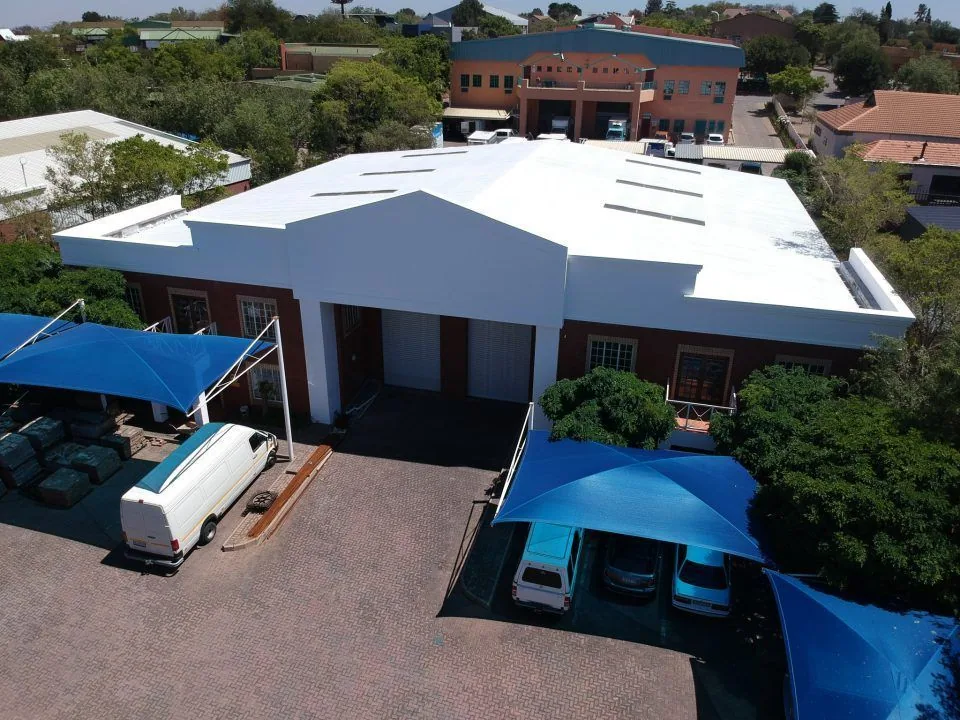
Which roof conditions can accept restoration?
The existing surface must be stable and able to hold the proposed coating system. We check for loose or brittle membrane, open seams, failed flashing, ponding, corrosion, dirt, oil, and areas where prior materials may affect adhesion. A representative adhesion test can help confirm that the coating bonds to the prepared substrate. We also map suspected moisture and identify locations that need test cuts. A coating should not bridge over wet insulation or conceal a defect that still needs correction.
Repairs come before coating. Open seams, curb corners, drain details, and edge transitions need compatible preparation and repair. If the roof has recurring leaks at separate locations or broad areas of wet insulation, a restoration price should be compared with removal and replacement. A coating may extend the use of a sound assembly, but its performance depends on the starting condition and system design. We document the reason a roof qualifies instead of treating coating as a default alternative to tear-off.
The roof's geometry and drainage also matter. We review low areas, drain inlets, scuppers, and transitions where water can stand or move slowly. A coating does not correct a settled deck or inadequate slope by itself. If drainage improvements are needed, we scope those separately and explain whether they should precede restoration. A drainage correction and a coating can be part of one project only when their sequence and tie-ins are defined.
Which coating chemistry fits the surface?
System choice follows the existing roof, exposure, drainage, and manufacturer requirements. Silicone and acrylic coatings do not behave the same way in standing water or during application, and each needs a suitable substrate and preparation method. We identify the proposed product family and the details to be reinforced, then confirm the system requirements for the roof in front of us. We do not choose by color alone or use a generic coating specification across different surfaces.
Preparation can include cleaning, removal of loose material, treatment of rust, repair of seams, and reinforcement at penetrations or changes in plane. Each step affects whether the coating can bond and form a continuous film. We define the areas to be masked, protected, or excluded. A silicone coating system or acrylic coating system should be evaluated against the existing assembly and the building's exposure, not selected as a universal fix.
Application also depends on temperature, humidity, roof condition, and the forecast during cure. Nearby Sea-Tac normals indicate a wetter October-through-March period than the drier summer months. Those readings are a regional reference rather than a Kent property measurement. We schedule work based on the actual surface and weather window, including enough time to prepare and protect the roof. A coating applied over moisture or before the surface is ready can compromise the result and create a costly return visit.
What belongs in the restoration bid?
A clear bid states the coating system, roof area, preparation, seam and flashing repairs, reinforcement details, application limits, and inspection steps. It should list exclusions such as wet insulation or deck repairs that cannot be confirmed before work begins. If test cuts are needed, the proposal should identify the test locations and how openings will be closed. These definitions help the owner compare bids without mistaking a thin preparation scope for a complete restoration.
Cost and timing change with roof access, substrate condition, cleaning, repair quantity, details, equipment protection, and the number of mobilizations needed for preparation and application. An occupied building may require work zones that keep operations open and prevent overspray or debris from affecting people or equipment below. Kent Valley's manufacturing, aerospace, logistics, and distribution activity makes staging and production windows important. We confirm dock access, ventilation locations, and the hours when roof work can proceed.
The final record should show the inspected condition, repaired areas, preparation completed, application zones, and any limits that remain. A photographic condition report makes the closeout useful for later maintenance. If the assembly has broader deterioration, a replacement comparison should show removal, insulation, drainage, and phasing as a separate option. The owner can then weigh the coating scope against the roof's remaining service life and the capital year.
How should a coating fit the operating calendar?
Application often needs a dry surface and a suitable cure window. We coordinate the work area with the facility contact, protect rooftop equipment, and define where materials can be staged. The day plan should state which roof zones are closed and which access routes remain available. If production or tenant hours change, we adjust the sequence before opening an area. Coating work should not leave a partially prepared roof without a documented protection plan.
Downtown Kent has a planned mix of business, government, culture, housing, and transit connections. A property near Kent Station may have shared parking or customer access to coordinate. In the industrial valley, a facility can have dock movements, process schedules, or restricted yards. We verify those details for the actual building. The same coating assembly can require a different staging plan at a retail or mixed-use property than at a manufacturing site.
Washington's current commercial building and energy code editions took effect statewide on March 15, 2024. Whether a proposed restoration requires a permit or changes an energy-code obligation depends on the project scope and jurisdiction. We confirm the applicable path before promising a code outcome. The coating scope should name the existing assembly, work limits, and any added insulation or drainage changes so the owner can get a clear answer from the authority having jurisdiction.
Commercial Roofing Questions
Can a coating be installed over a leaking roof?
Only after the leak source and substrate condition are understood. A coating may be appropriate after repairs on a sound, dry assembly, but it should not cover wet insulation or failed details. We inspect and test the roof, then separate preparation, repairs, and application in the scope.
How do you decide between silicone and acrylic?
We compare the existing surface, drainage, exposure, application conditions, and the requirements of each proposed system. Standing water and cure conditions can change the fit. The bid should identify the selected chemistry and why it suits the roof, rather than presenting coating as one interchangeable material.
Will roof coating solve ponding water?
A coating can protect an eligible surface, but it does not change the roof's slope. We check drains, low areas, and insulation settlement first. If water remains because of a drainage defect, the proposal should define the correction separately and show how it ties into the coating work.
What if moisture is found during the survey?
We mark the location and use test cuts or another suitable method to establish whether insulation is wet. A confirmed wet area may need removal before restoration can proceed. If moisture extends beyond the tested zone, the scope may need more investigation or a replacement alternative. The map should identify what is proven and what remains open.
Related Roofing Work
Test the roof before selecting restoration
Share the roof record, repair history, access rules, and target capital year. We will inspect the substrate, verify coating suitability, and price preparation, repairs, and application as defined work.