
Commercial Roof Due-Diligence Surveys in Kent, WA
Roofing Capabilities
A roof survey for a purchase or refinance should answer the decision on the transaction clock: what condition is visible, which limits matter, and what further work could change the budget? We inspect the authorized areas, compare available plans and repair history, and deliver findings tied to the property and roof zone. The report is a time-bounded observation, not a prediction of future performance or an approval of the transaction.
Across Kent Valley, employers span aerospace and advanced manufacturing alongside freight, logistics, and distribution operations. Downtown Kent has a planned mix of commercial, civic, cultural, housing, and transit uses, with Kent Station among its downtown destinations. A transaction portfolio may include these different property settings, but market context does not establish a particular roof's type, age, or condition. The address, records, and access available during diligence set the survey boundary.
Send the property list, roof plans, prior service records, leak reports, transaction deadline, and the person authorized to release access. We will identify what can be inspected within that window and list the information still missing.
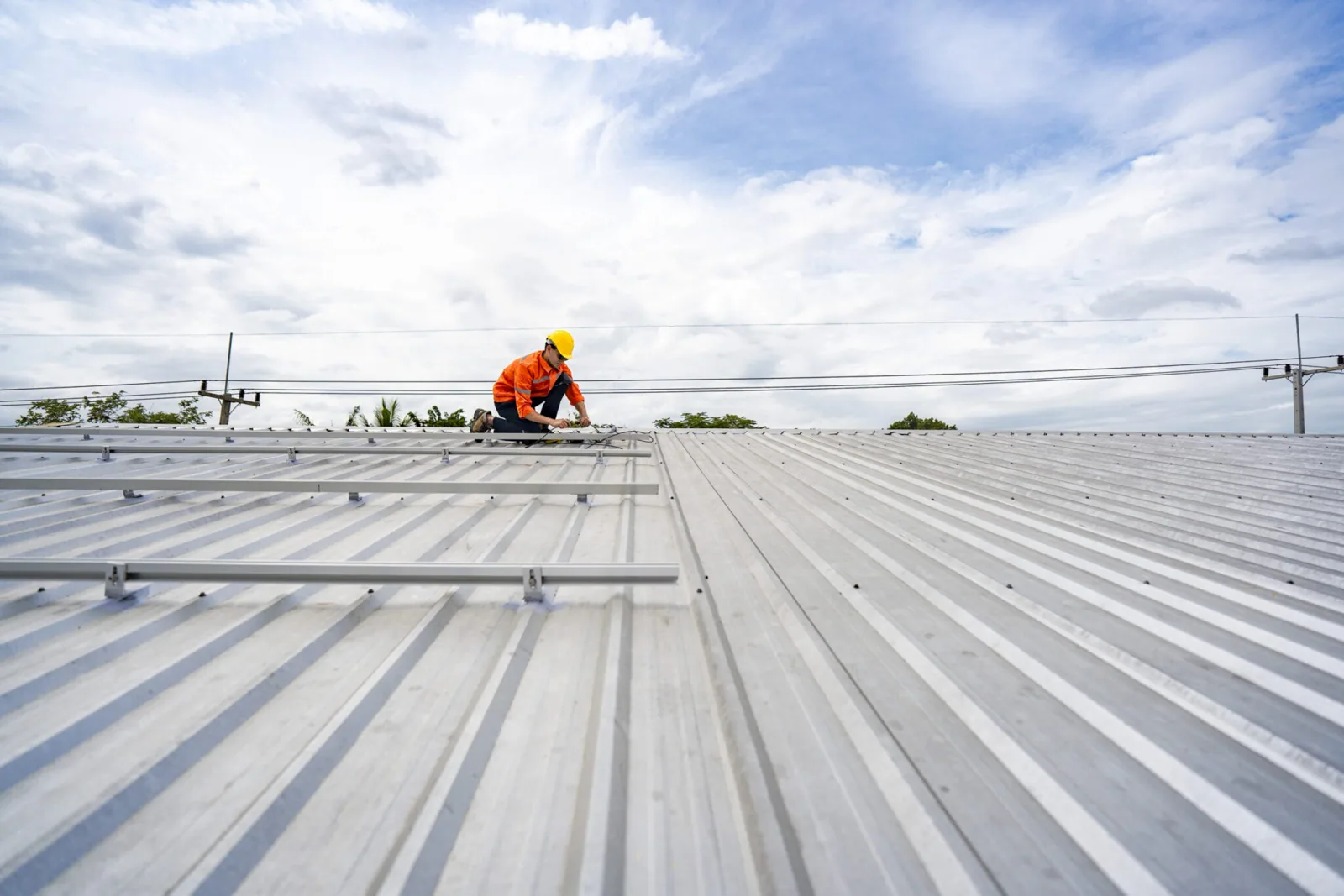
What can a time-limited roof survey establish?
A visual review can document accessible membrane, seams, flashings, drainage, edges, penetrations, rooftop equipment interfaces, and visible prior repairs. We record the areas reached, date, surface conditions, and any access restrictions. A plan or seller record can help locate roof sections, but we distinguish supplied information from what was confirmed in the field. If no plan is available, measurements or a field sketch may be needed before quantities can be priced.
Interior leak reports should retain their room, date, and status. A ceiling mark can guide the inspection without proving where water entered. If concealed moisture or deck condition could affect the acquisition reserve, identify a test point and the question it can answer. A hands-on roof inspection documents accessible details; a moisture survey can be added when it may change the removal boundary or replacement assumption.
Sampling has limits. One test opening describes material at that location, not every roof section. An inaccessible area remains an open item unless an alternate method resolves it. The buyer can then decide whether to request access, testing, a seller repair, or a documented allowance before closing.
Which findings affect the transaction budget?
Separate immediate water entry, repairable details, deferred maintenance, monitoring, and replacement review. For each item, identify location, evidence, probable consequence, and next step. A localized flashing issue may need a defined repair. Recurring leaks across several areas, broad wet insulation, or failing attachment can support further testing or replacement pricing. A report should show why one condition changes the budget more than another.
Cost assumptions depend on measured roof area, removal depth, assembly, deck exposure, drainage, curbs, access equipment, disposal, occupied-area protection, and phasing. If measurements or records are incomplete, state what the estimate assumes. A repair proposal can price a defined defect, while a replacement estimate should identify the system and removal assumptions. Keep optional testing or alternates separate from the base scope.
Kent Valley industrial properties may involve loading or production access. A downtown asset near Kent Station may involve tenants, shared parking, or visitor access. Those conditions can change mobilization and schedule, but do not alter the observed roof condition. Include operating constraints in the transaction notes so a buyer can evaluate access as well as construction scope.
How does a Kent survey fit the closing schedule?
Set the survey scope before the site visit: buildings included, roof zones, access route, testing authorization, report deadline, and decision contact. A short diligence period may allow a visual assessment but not destructive testing or a full replacement design. The report should state those limits plainly and identify which unresolved questions could affect the reserve or closing conditions.
Nearby Sea-Tac normals show a wetter period in October through March than in July and August. This is regional climate context, not a property forecast or a roof-specific condition. The actual weather and transaction schedule determine whether a visit or test can proceed. If a roof remains wet, snow-covered, or inaccessible, note the effect rather than treating it as inspected.
Downtown Kent is connected by State Route 167 through the Green River Valley corridor, and Kent Valley operations have regional freight connections. Those facts can help coordinate travel and delivery assumptions, but site access is set by the property contact. A Kent Station access plan or another location-specific contact should be confirmed before the team arrives.
Give the buyer a record they can act on
The deliverable should include property identifiers, inspection date, roof areas reached, photographs with location notes, condition summaries, access limits, and recommended next actions. Keep urgent repair separate from capital planning and identify any test needed to change the estimate. The buyer can then compare an immediate repair, a reserve, and a replacement scenario without treating the survey as a final construction bid.
Keep the survey with the transaction file, plans, repair invoices, seller statements, and follow-up approvals. After closing, preserve the record under the asset identifier and compare later service calls with the areas observed. A roof condition report can carry inspection evidence, and capital planning can convert the findings into a dated budget question. For a broader portfolio, asset management records can retain each property's survey date and open items.
Mark each conclusion by confidence and evidence: visible defect, owner-reported leak, test result, or missing record. A buyer can then distinguish a repair with a defined price from a question that needs further access, testing, or a post-closing scope. That distinction is useful when the diligence period is too short to resolve every concealed condition.
Send the closing date, roof history, plans, access window, and the buyer's decision needs. We will state what the inspection supports and what should remain an allowance or follow-up.
Commercial Roofing Questions
Can a roof survey determine the property's remaining service life?
It can provide an evidence-based estimate when roof condition, records, and access are sufficient, but it cannot establish a precise end date. We state the basis, limitations, and findings that could shorten or extend the planning assumption.
What if the seller cannot provide roof plans?
We note that gap and determine whether field mapping or measurement is included in the survey. Without verified areas, repair quantities and replacement estimates may remain approximate. The report should identify what additional access or records would improve the conclusion.
Should testing be included during acquisition diligence?
Add testing when concealed moisture, deck condition, or another unknown could materially change the repair boundary or reserve. The survey should identify the test location and decision it informs. If the closing window cannot support testing, list it as a follow-up item.
Does a due-diligence survey replace a construction bid?
No. It records conditions and decision risks for the transaction. A construction proposal needs measured scope, selected system, access assumptions, removal limits, and approvals. We can price follow-up work separately once the buyer or owner defines the authorized scope.
Related Roofing Work
Send the address list and the transaction deadline
Provide roof plans, service records, leak reports, access rules, and the closing or refinance date. We will define the survey boundary, record observed conditions, and identify any test or construction scope the buyer should evaluate next.