Industries We Serve in Kent, WA
Industry affects roof access, work sequencing, equipment coordination and the cost of keeping a building open. Kent Valley’s employers span aerospace, advanced manufacturing, food processing, logistics and global distribution. Downtown Kent adds government, business, cultural and transit uses, while Southcenter includes retail and entertainment as well as planned workplace areas. Those facts help frame questions; the roof condition and operator’s schedule set the scope.
Industries We Serve
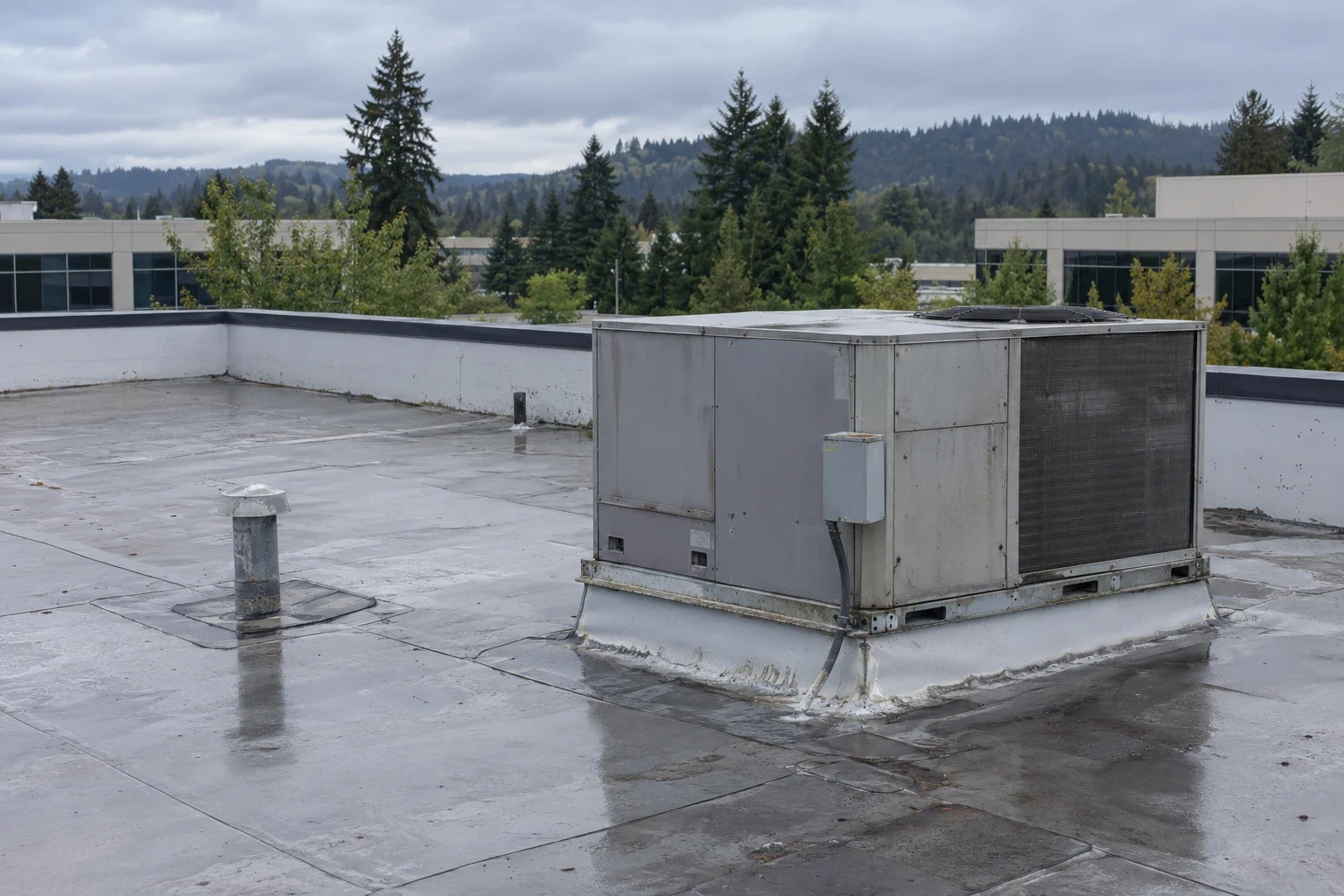
Manage commercial roof repairs in Kent, WA with one condition record, clear work scopes, tenant coordination, and capital timing across your portfolio.
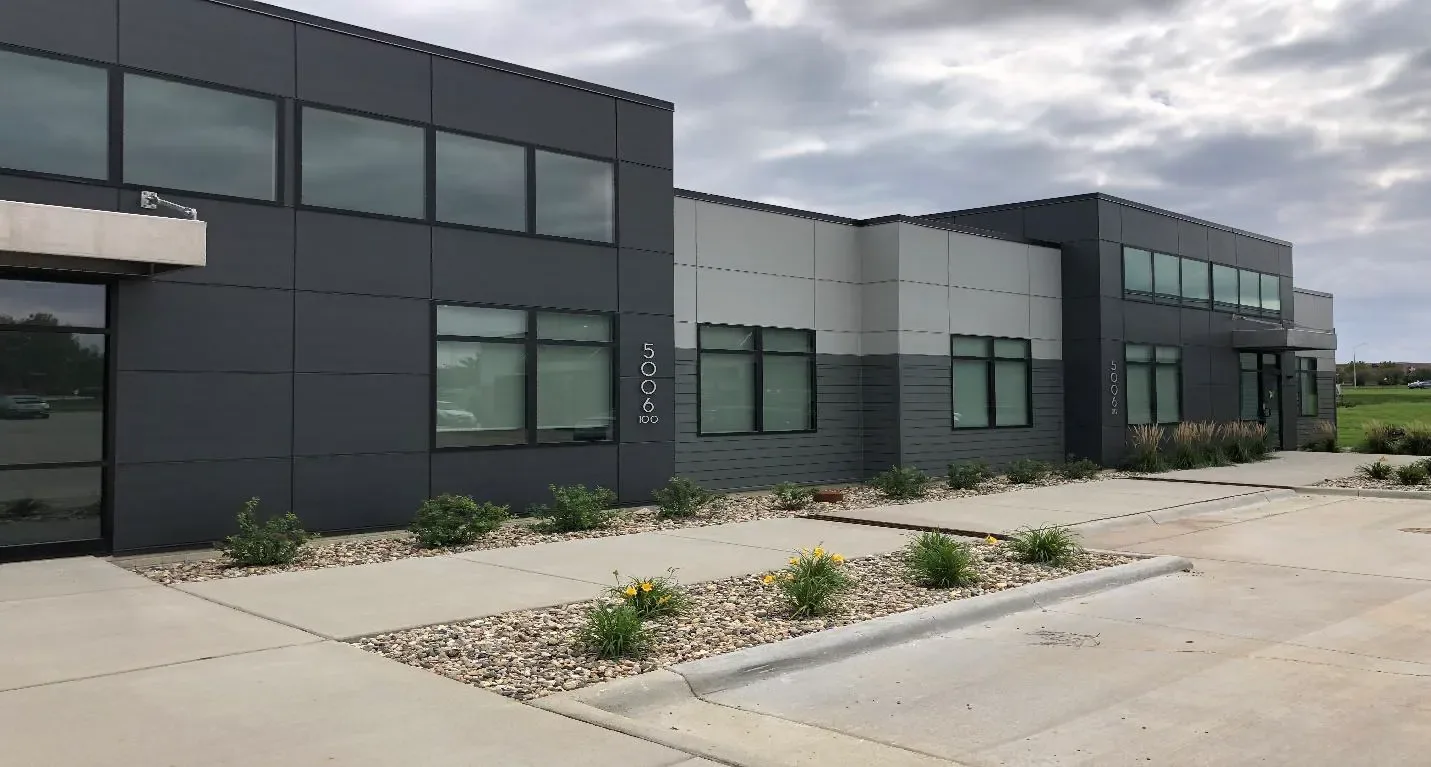
Support Kent, WA property acquisitions and capital plans with roof condition reviews, replacement options, repair records, and clear remaining-life assumptions.
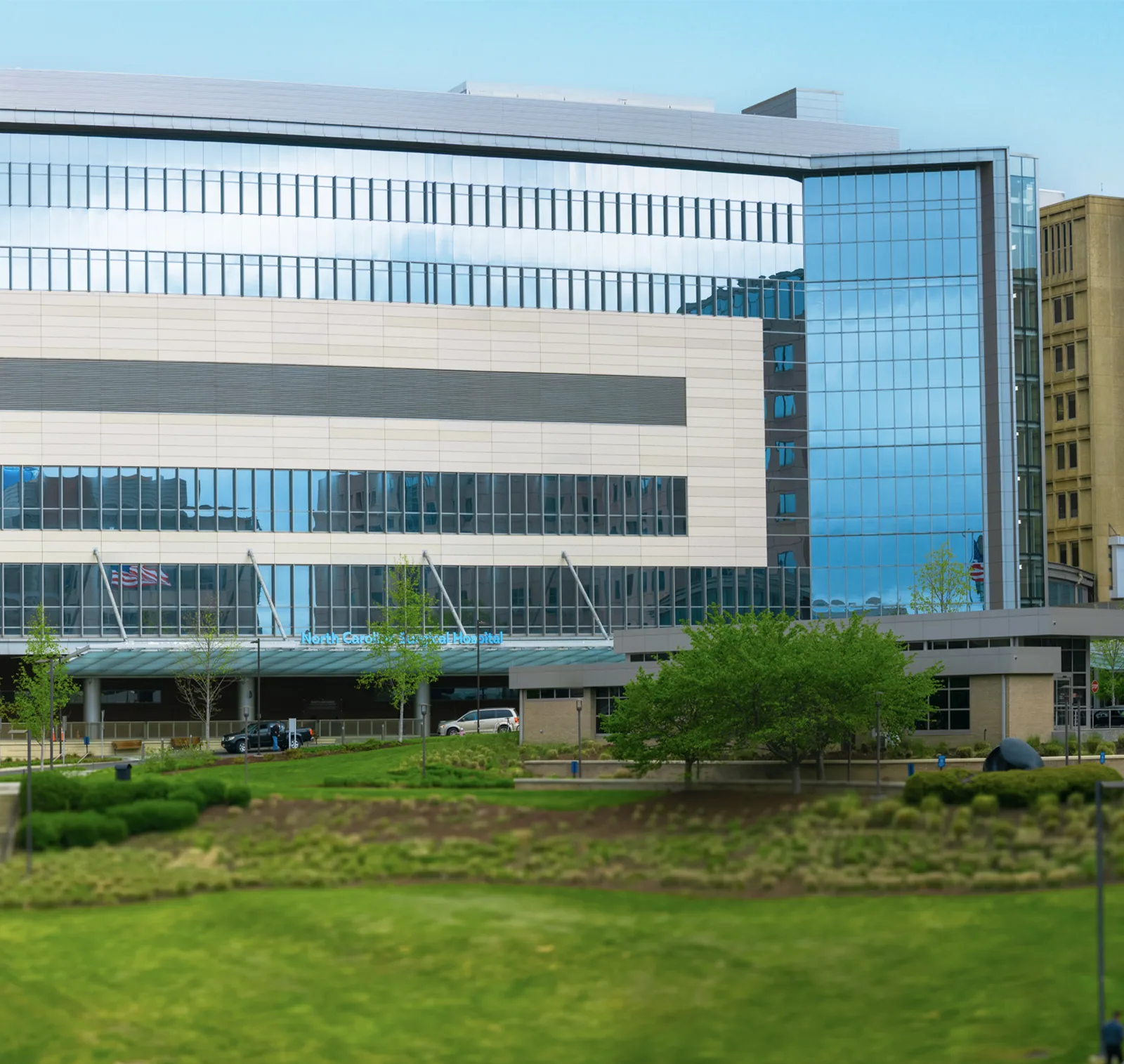
Coordinate healthcare roof inspections in Kent, WA with building-level records, patient access planning, equipment handoffs, and phased capital scopes.
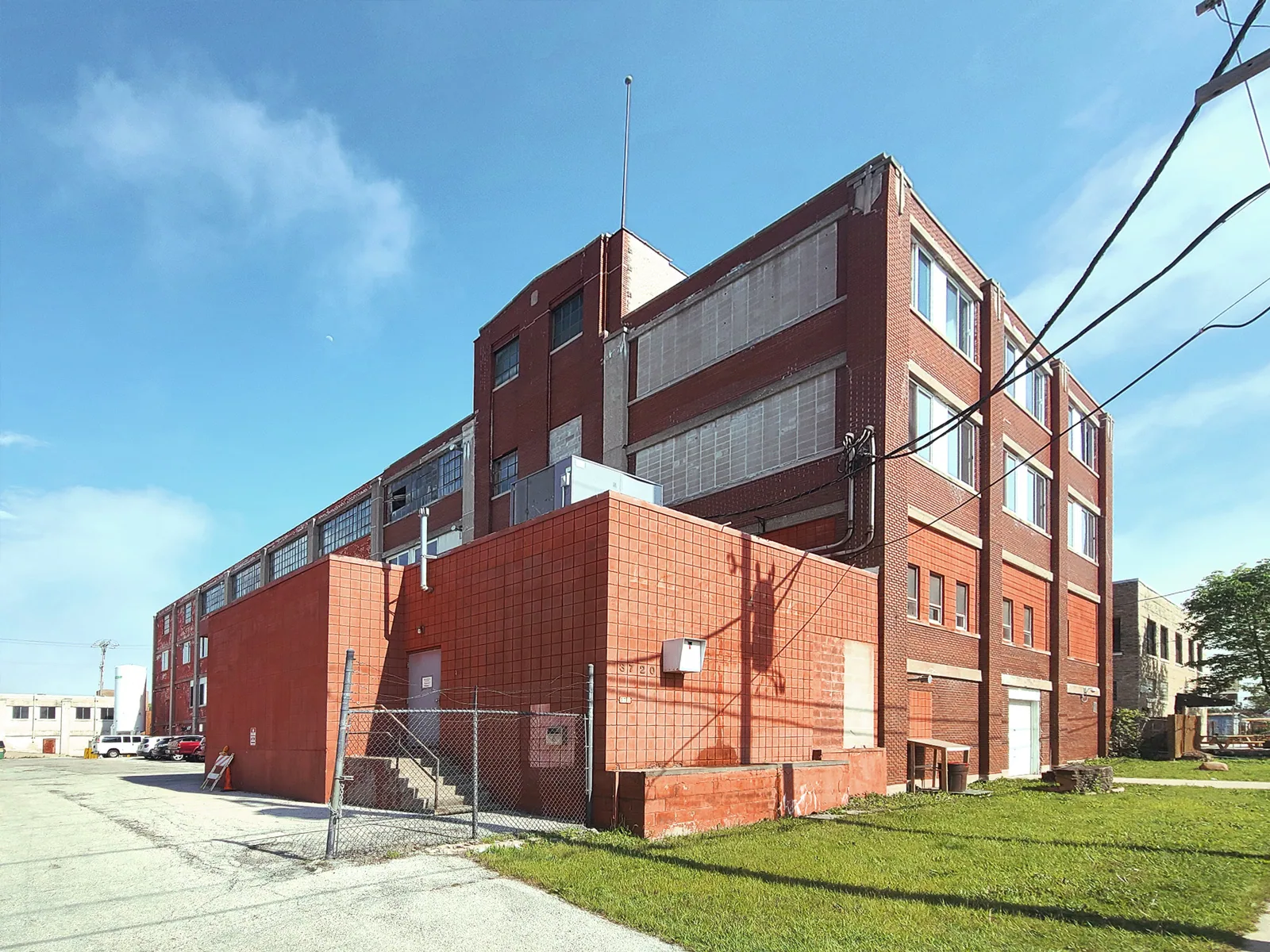
Plan manufacturing roof repairs in Kent, WA around production constraints, rooftop equipment, leak records, and capital decisions tied to verified conditions.
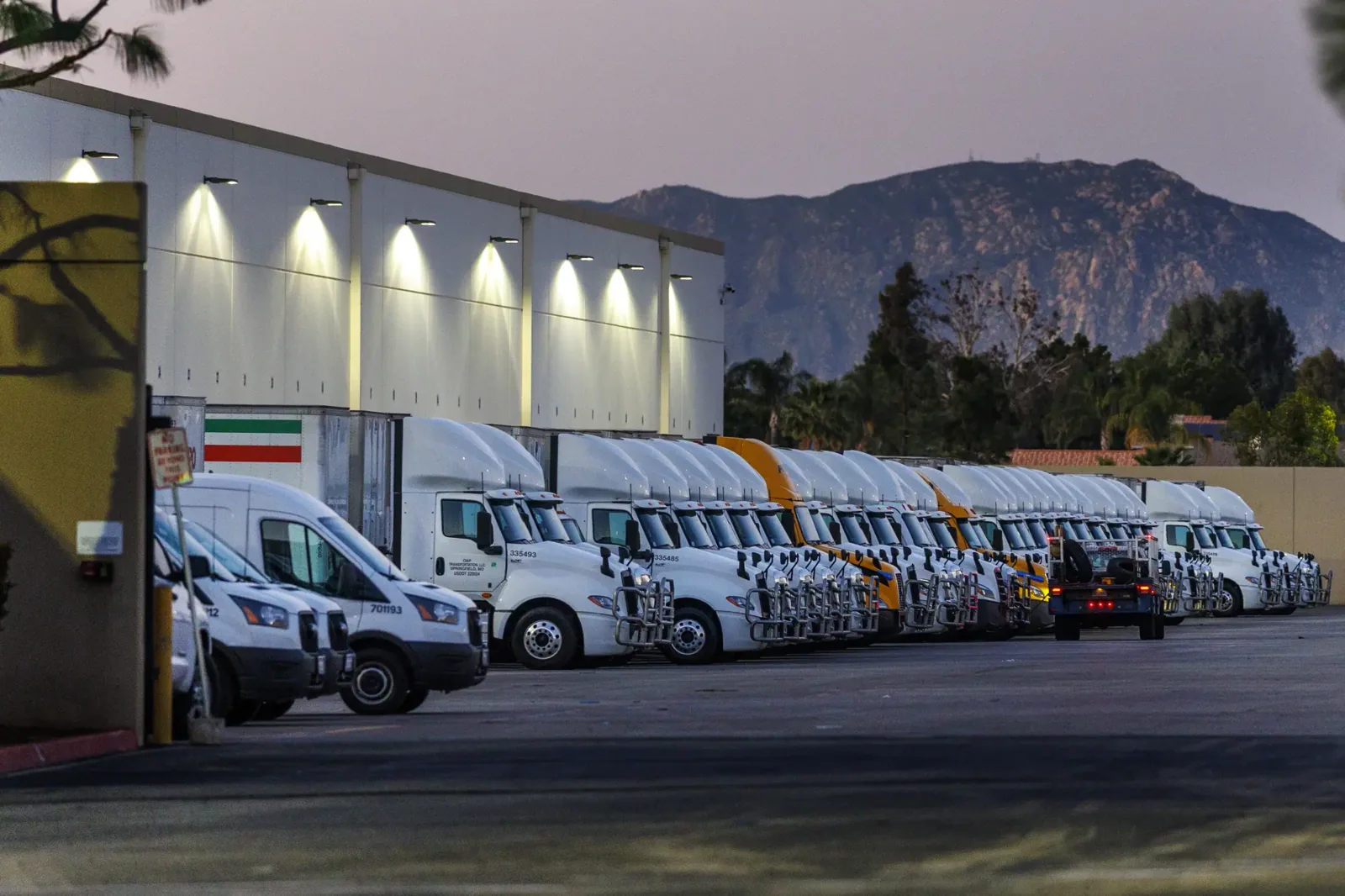
Plan commercial roof repairs and replacement around Kent logistics operations, loading access, inventory protection, and documented site conditions.
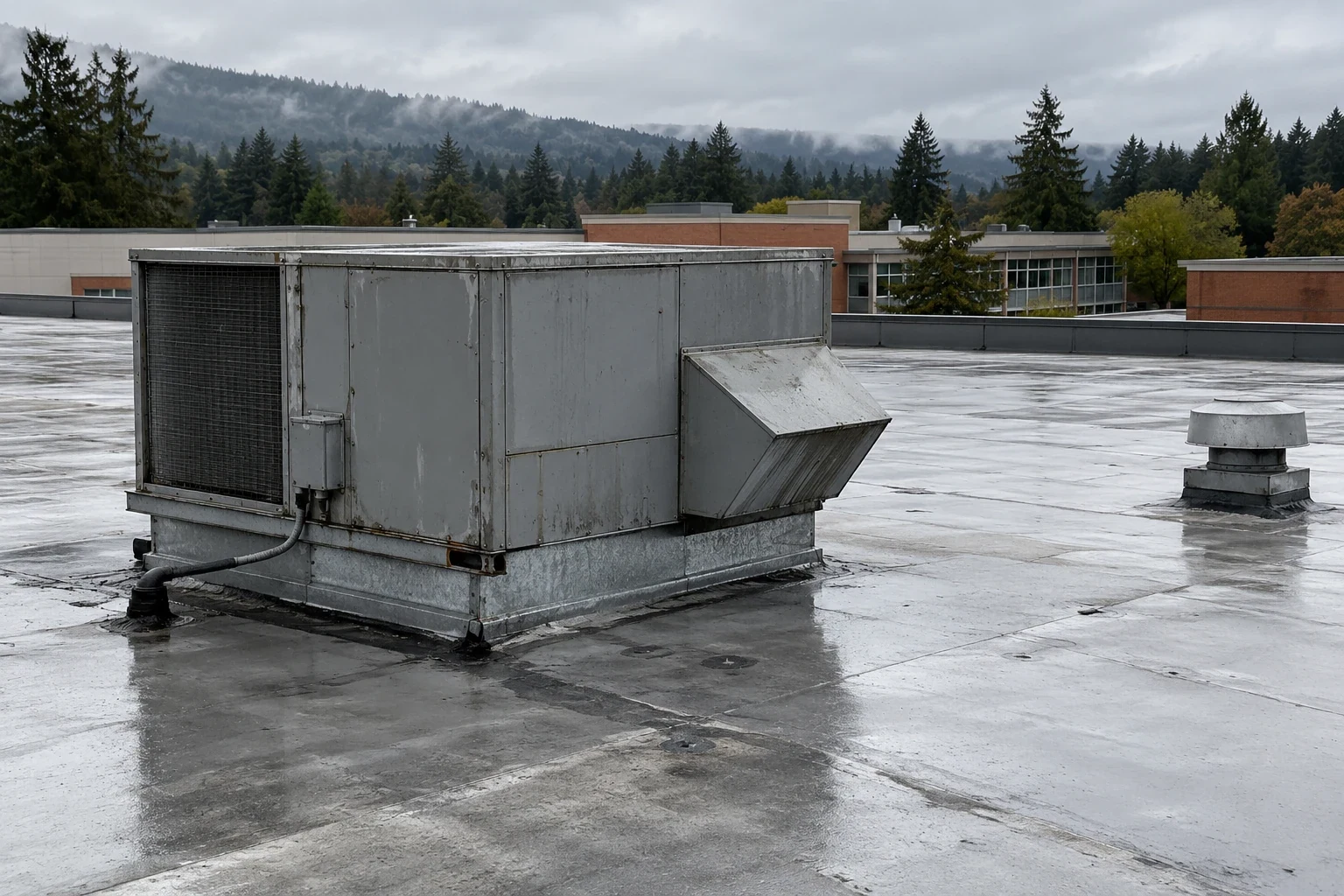
Plan school roof inspections and construction around Kent-area calendars, campus access, student safety, procurement, and facility records.
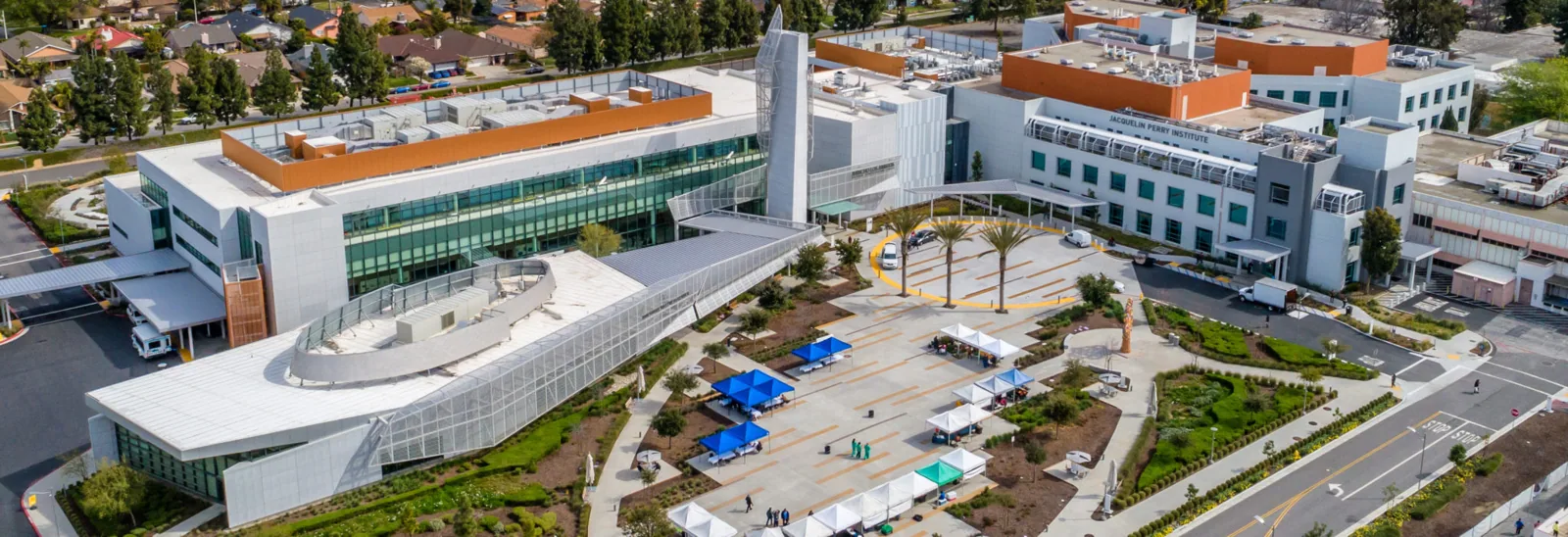
Document public-building roof conditions, procurement assumptions, access needs, and repair priorities for Kent-area agencies and facilities.
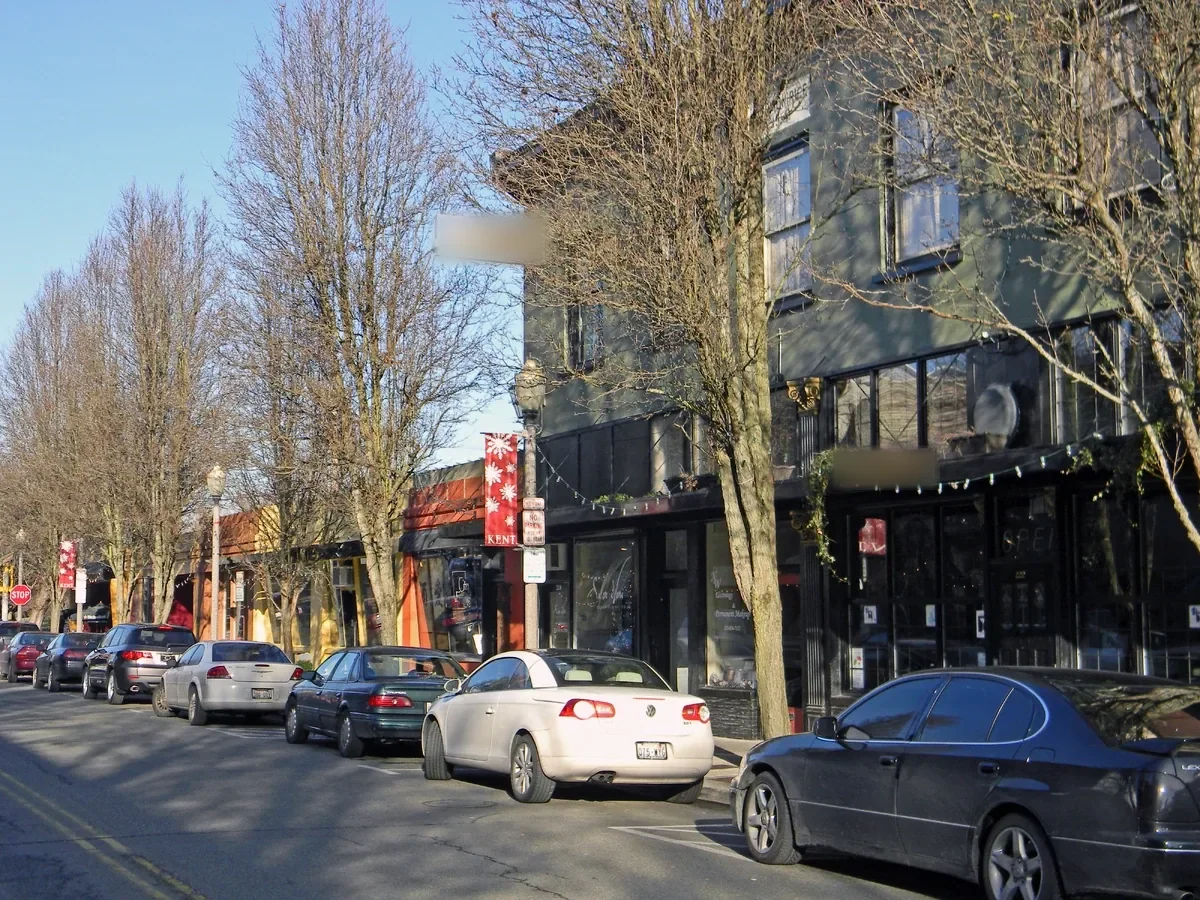
Coordinate Kent retail and restaurant roof repairs with store hours, customer access, kitchen equipment, inventory, and multi-site records.
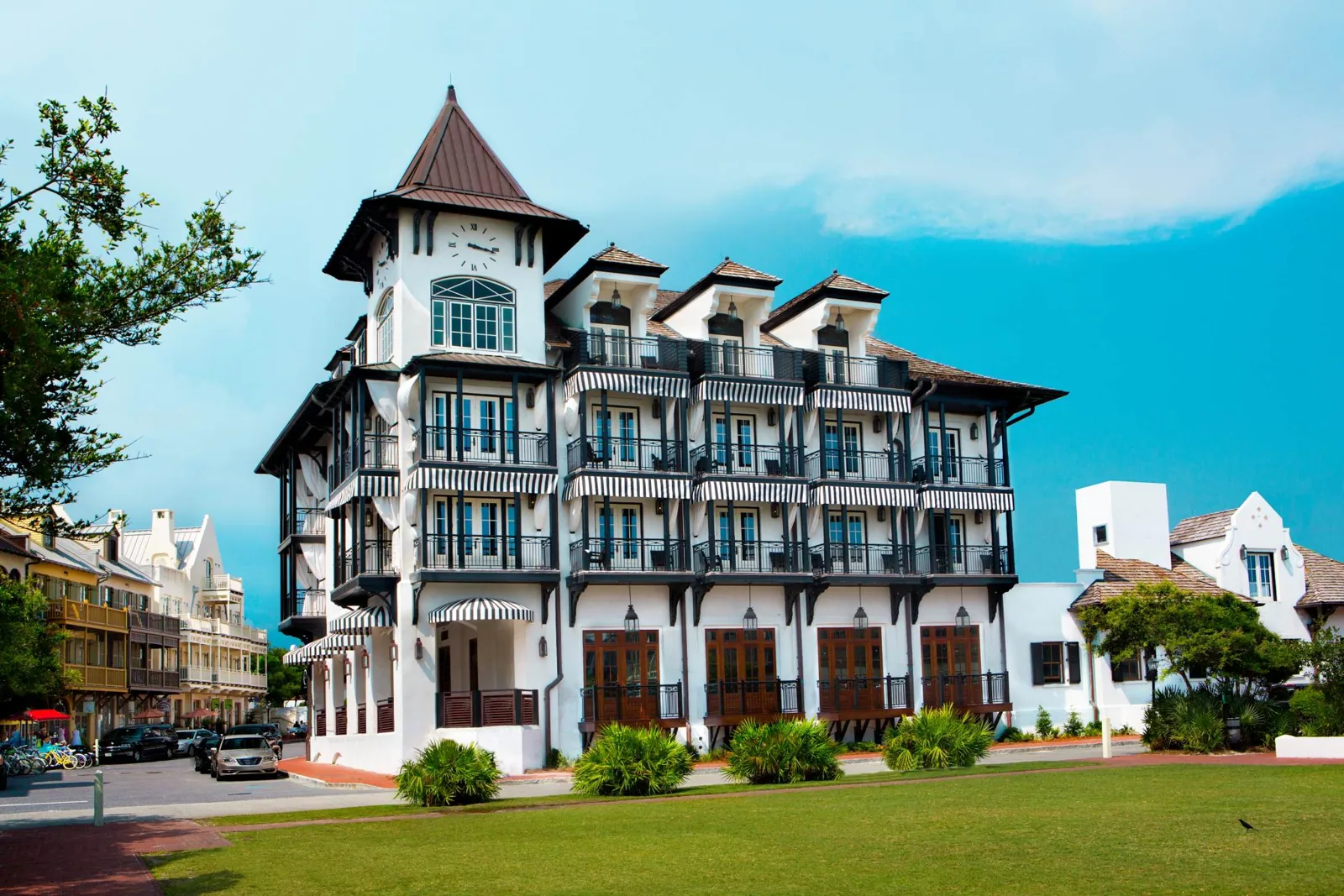
Coordinate roof inspections and repairs for Kent-area hotels and hospitality groups around guest access, turnover, equipment, and capital plans.
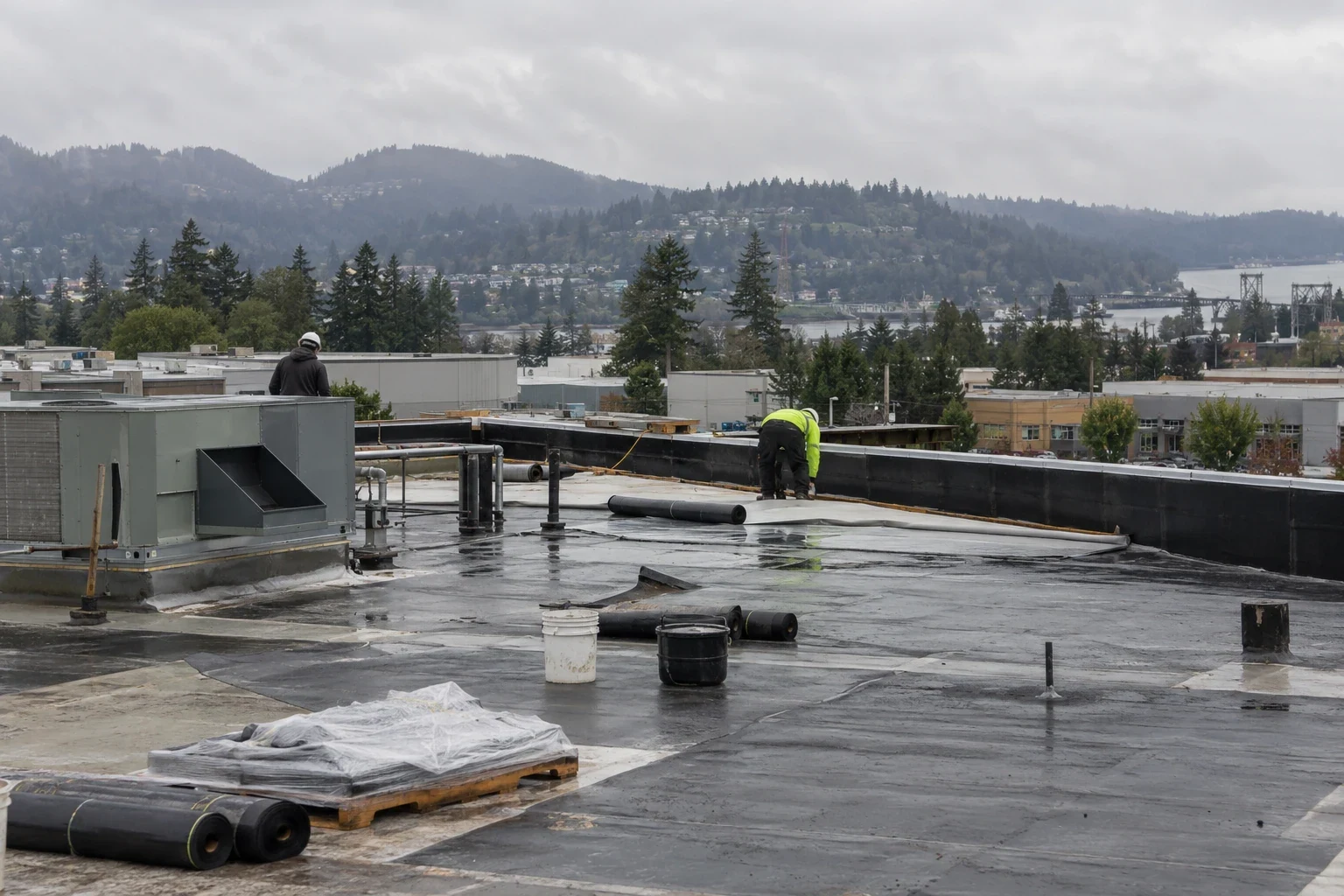
Coordinate commercial roof scopes, trade interfaces, submittals, sequencing, and closeout with general contractors working in Kent, Washington.
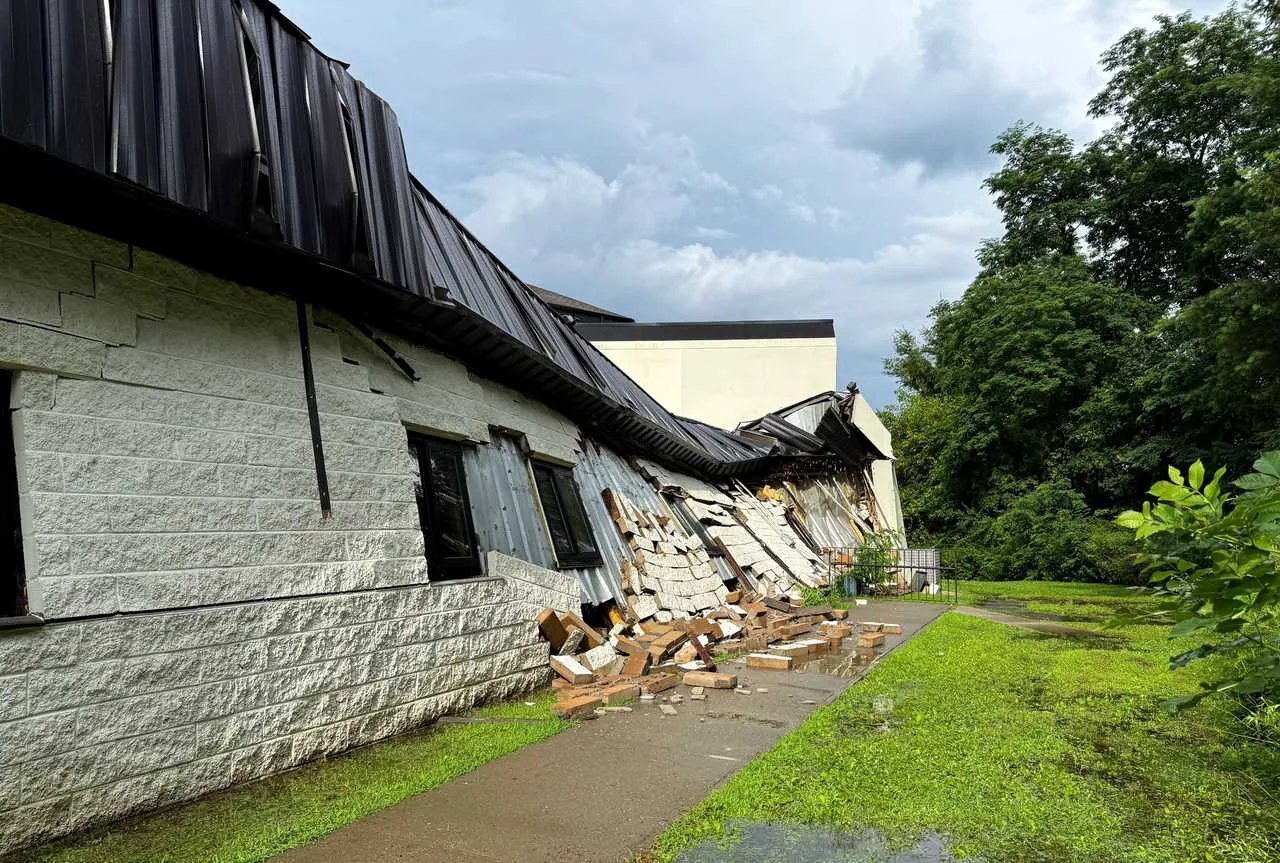
Document commercial roof damage in Kent with dated observations, temporary protection, defined repair limits, and clear insurance coordination.
How does roof work fit active operations?
A production interruption, blocked loading route or unplanned water entry can change a project sequence. For manufacturers and logistics operators, we identify access, staging, overhead protection, daily stop points and the person who can release each area. A mapped occupied-building reroof can separate roof zones from active floor operations.
Southcenter’s workplace district includes distribution, warehousing and light industry in its planning framework. Confirm the specific property’s use and access rules; a planned district designation does not prove a building’s current operation. Where several sites share ownership, multi-site records can compare findings while preserving building-level detail.
Which records support a capital decision?
Owners and property managers need roof maps, leak history, prior repairs, test results, exclusions and a clear estimate basis. Property management teams can use a photo condition report to track each zone and follow-up item. A real estate portfolio still needs separate quantities and condition dates for each address.
When roof findings affect a transaction, a due-diligence survey can identify observed issues and inspection limits. It does not replace testing or establish remaining service life. The report should distinguish verified defects from owner-reported history.
How do public and customer-facing sites differ?
Schools, healthcare facilities, government buildings, retail and hospitality each have their own operating controls. A healthcare operator may need defined patient routes and access periods; school districts set calendars and campus restrictions. Kent Station combines retail, services, health providers and Sounder access, so confirm the particular building’s own logistics before scheduling.
Public owners and agencies may also need procurement milestones and approval roles documented. An insurance restoration scope should connect observed damage, photographs and proposed work without predicting an insurer’s decision.
What should the next scope answer?
Start with the decision: repair, testing, maintenance, coating, recover or replacement. We inspect the roof, identify access limits, and price confirmed work separately from allowances. Send the building roster, reports, operating calendar, access contact and funding date. For a Kent Valley production facility, name the shutdown or loading periods that cannot move. For Downtown Kent, note tenant, transit or event constraints tied to the property.
The resulting bid should show the condition behind the recommendation, the sequence, protection below, cost drivers and follow-up. If evidence changes, the owner can revise the plan without treating every property in the portfolio alike.
Commercial Roofing Questions
Can one roof program cover different business sectors?
A shared reporting format can track dates, priorities and approvals. Each property still needs its own inspection, quantities, access assumptions and work sequence.
What should a facility manager provide before work is priced?
Send roof plans, repair history, leak locations, equipment plans, operating limits and an access contact. Identify the decision date and who can authorize added work.
Can roofing be scheduled outside production hours?
The facility’s operating plan determines available windows. We compare that calendar with delivery, equipment, weather and dry-in requirements before setting phases.
Does a damage report decide insurance coverage?
No. We can document observed conditions and prepare a scope with supporting photographs. Coverage and claim decisions belong to the insurer and policy process.
Connect the roof condition to the operating calendar
Send the site records, operating limits, and decision date. We will define the inspection or scope around the building’s actual use.