Warehouse Roofing in Kent, WA
Property Types We Roof
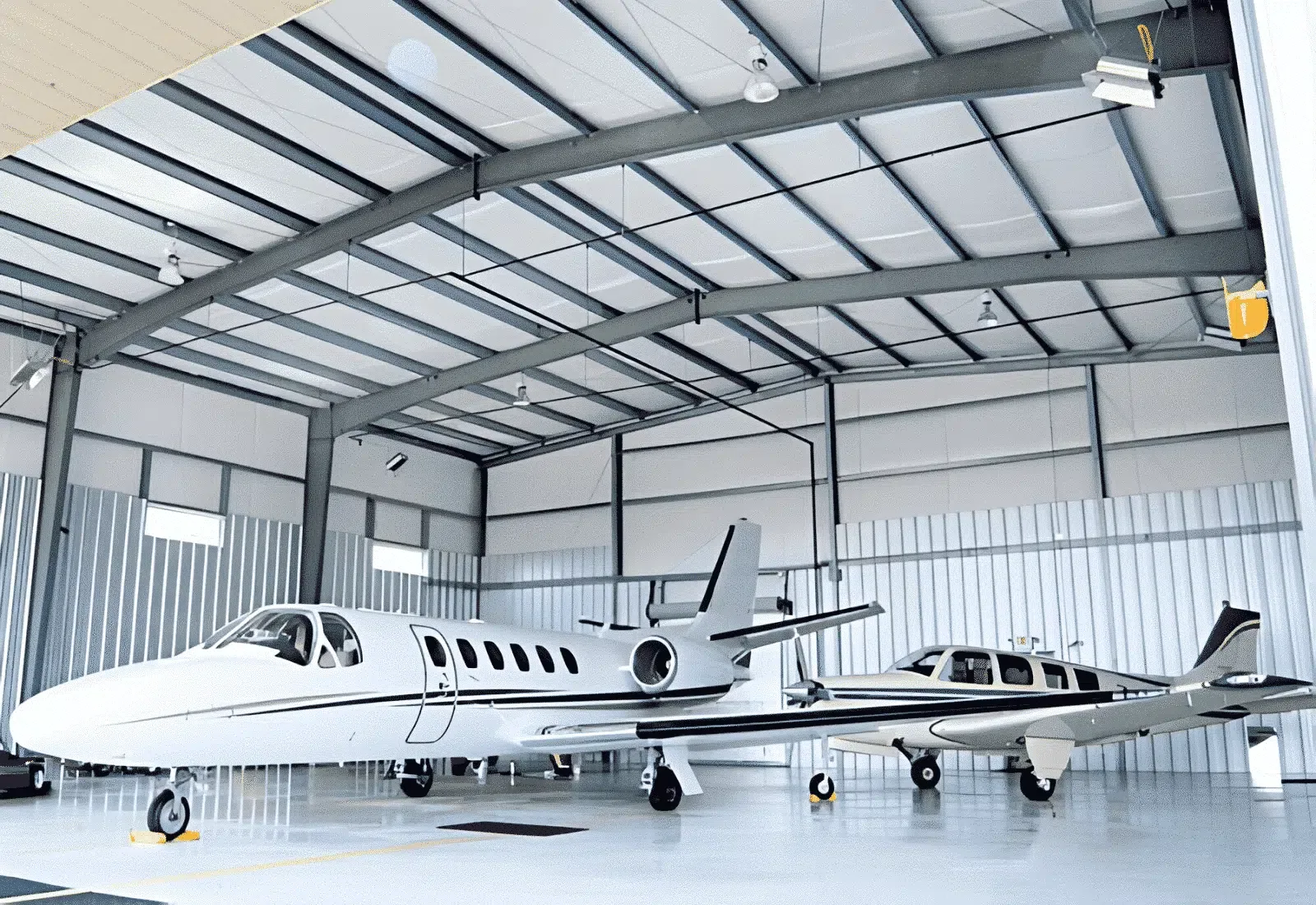
A warehouse roof decision in Kent should protect the inventory below without interrupting the loading plan. A leak near racking, electrical equipment, or a shipping lane has a different consequence from a defect above an unused bay. We map the roof zones, inspect seams, drains, curbs, and edges, and connect each finding to the area beneath it. A repair can remain local when the assembly around the defect is sound. Wet insulation or repeated failures may shift the decision toward replacement. We also confirm dock hours, lift access, and the operating schedule before setting phases.
Which warehouse zones carry the highest consequence?
The interior use tells us where water control matters most. We ask which aisles hold sensitive stock, where charging or electrical equipment sits, and whether a leak could affect a shipping lane. Those answers guide the inspection route and any temporary protection. The warehouse drawing can help align roof zones with the interior plan, but field measurements and observations establish the roof condition. A roof inspection records the location and evidence instead of treating every square of membrane as equal.
Roof traffic creates another risk. HVAC service, exhaust work, satellite equipment, and periodic repairs can puncture a membrane or wear a path through insulation and cover board. We inspect around curbs, supports, walk pads, and service routes. A leak near a unit may come from the curb flashing, a nearby seam, or water traveling beneath the surface. The report distinguishes what is visible from what needs a test cut. If a warehouse uses a low-slope system, TPO and EPDM are possible assembly types, but the existing deck and operating need determine which repair or replacement scope is appropriate.
Kent's industrial market links manufacturing, logistics, and global distribution. The Kent Valley Industrial Real Estate Base represents more than one-third of Puget Sound industrial property. That scale makes consistent roof-zone labels useful for owners with several buildings, while the measurement and condition of each warehouse still need to be established on site. A neighboring freight facility does not tell us a roof's attachment or remaining service life.
Where does water collect or cross the roof?
Water can enter through an open seam, failed curb corner, split pipe boot, damaged edge, or drain detail. The interior stain is a clue, not the full map. We follow the likely water path and inspect above the affected bay, then check adjacent roof zones when moisture or movement suggests a broader condition. When a defect is isolated and the surrounding assembly is sound, we define a repair area. When moisture extends beneath the membrane, the repair limit must follow tested conditions.
Kent's nearby Sea-Tac climate reference records a wetter cool season and much drier midsummer conditions. It describes a regional station, not the forecast for a warehouse roof. The seasonal pattern makes clear drain paths and protected end-of-shift work important when the schedule crosses wet months. We inspect drain bowls, scuppers, low points, and overflow routes. A drainage review can separate a blocked outlet from a slope or settlement problem that needs a different correction.
Freight activity nearby does not set access at an individual facility. The Port of Tacoma Tideflats has container terminals, logistics and warehouse uses, and rail connections, while Kent warehouses have their own dock layouts and truck routes. We confirm the actual crane area, delivery entrance, and lane restrictions with the building contact. If roof work spans a large footprint, a Kent Valley industrial work plan should name each phase and the loading areas that must remain available.
Can reroofing stay clear of active loading?
Phasing begins with the dock schedule, inventory exposure, and route for moving materials to the roof. We divide the job into work zones with a defined start and stop point, then coordinate noisy tasks, lift placement, and debris handling with the site contact. If a shift change or outbound truck window cannot move, that constraint belongs in the bid. An occupied-building plan should also identify the area below each phase and how it will be protected.
Weather can shorten the amount of roof opened at one time. We agree on the temporary protection and end-of-day closeout before tear-off begins. The crew should not leave insulation or deck exposed because a planned phase ran longer than expected. If the roof is being replaced, a phased reroof plan can tie access and protection to the warehouse's actual hours. We set the scope from measured roof sections rather than estimating phases from a parcel outline.
What happens below should be part of the sequence. The facility contact can identify stock zones that need extra protection, aisle closures that affect picking, and equipment that cannot be shut down. When the building also fulfills time-sensitive orders, a distribution-center work sequence may need a tighter dock handoff than bulk storage. A maintenance crew may need a separate roof route from the contractor. If production shares the property, a plant-roof phase may have different equipment and shutdown limits. We document who controls each access point and when that area returns to operations. That prevents roofing work from leaving a dock, aisle, or service route unusable at the wrong time.
What belongs in the warehouse bid scope?
Price changes with roof area, removal depth, insulation and deck findings, drainage details, edge metal, penetrations, access, and the number of phases. The bid should define material, attachment, flashing, and disposal assumptions. It should also separate confirmed repairs from allowances for concealed conditions. If test cuts are needed, identify where they will occur and how those results can change removal limits. A lower price is not comparable when it excludes a loading constraint or leaves the open-roof protection undefined.
Closeout should connect each repair or replacement phase to a roof zone and include dated photographs. Record the membrane or panel system, insulation changes, drain work, and remaining maintenance items. A roof condition report gives the next capital review a base that distinguishes tested findings from assumptions. Owners managing sites near Kent, SEA Airport, or the Port of Tacoma can use a common zone naming method without treating those properties as one roof portfolio.
We compare repair, recover, and replacement against the observed condition and the warehouse's next operating cycle. A local seam repair can buy time when the field remains sound. Widespread wet insulation or failing attachment may make another patch difficult to defend. Send the roof record, loading windows, and decision date, and we will state what is known, which areas still need inspection, and which scope fits the evidence.
Commercial Roofing Questions
Can a warehouse reroof be completed without stopping shipping?
Often the work can be divided so selected docks and aisles stay in use, but the sequence depends on access, lift placement, weather, and the area below each phase. We confirm those limits with the site contact and put them in the bid. If a shutdown is required for one operation, we identify that window before scheduling the roof opening.
How do you prioritize a leak over stored inventory?
We start with the affected bay, active water, nearby electrical or sensitive equipment, and safe access. The contact can identify the inventory or shipping consequences while we trace the roof condition. We document any immediate protection separately from the permanent repair and note areas that still need testing.
What if a test cut finds wet insulation?
We map the tested location, compare it with adjacent zones, and establish whether more testing is needed before setting removal limits. One cut does not prove the entire warehouse is wet. The proposal should separate confirmed removal from allowances for concealed conditions and explain how added work will be approved.
Why does the dock schedule affect roof cost?
Restricted loading hours can require smaller phases, additional mobilizations, or different lift and material routes. Those choices change labor and equipment time. We confirm the dock windows, staging space, and traffic controls with the facility contact and show those assumptions in the scope.
Related Roofing Work
Tie the warehouse roof scope to the loading plan
Share the roof record, dock windows, affected inventory zones, access limits, and decision date. We will inspect the assembly and map repair, recover, or replacement work to phases the facility can use.