
About Commercial Roofing Contractors Kent
About Commercial Roofing Contractors Kent
Commercial Roofing Contractors Kent works on low-slope and metal commercial roofs. We inspect, repair, replace, recover, restore, coat and maintain roof assemblies, with the scope tied to the condition we can verify and the decision the owner needs to make. A property manager may need a leak located and repaired. An asset manager may need condition records, a capital-year comparison, or a bid that separates required work from optional corrections. We begin with that question, then inspect the roof and identify what evidence can answer it.
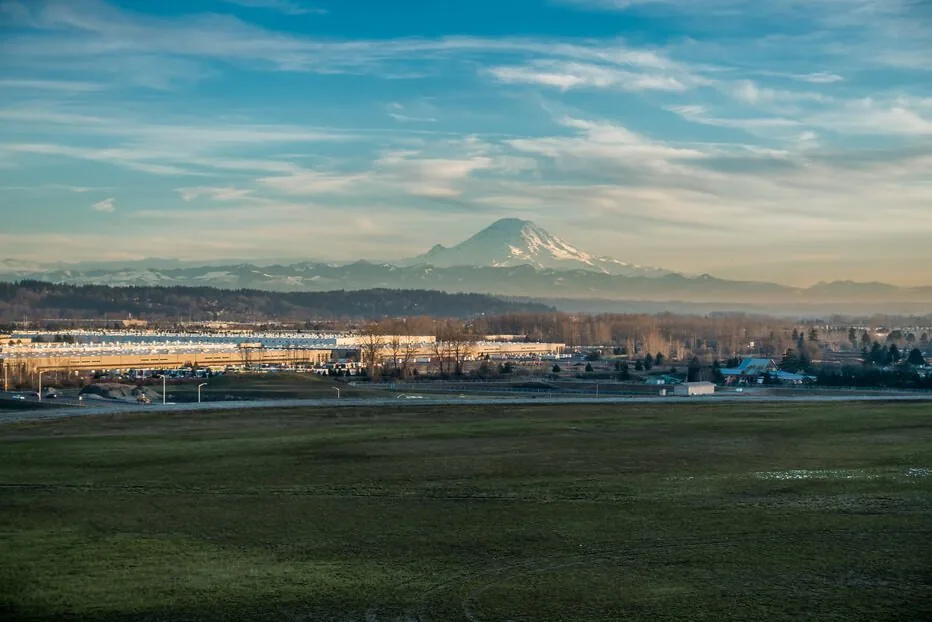
Kent is not one operating environment. Kent Valley contains a large industrial base across aerospace, advanced manufacturing, food processing, logistics and distribution. Downtown Kent is planned for a mix of business, government, cultural facilities, housing and transit. Kent Station brings retail, services, health providers and commuter rail into that downtown setting. Those local contexts affect access questions and work sequencing, but no regional fact establishes the assembly or condition on a particular roof.
What should the roof record establish?
We start with available plans, repair invoices, warranty files, leak history, equipment changes and access instructions. On the roof, we identify sections and record accessible membrane or metal, seams, edges, flashings, penetrations, drains, curbs and previous repairs. Dated photographs should point to a roof zone that another person can find. If a section cannot be reached safely, we mark it as uninspected and state what access or test would be needed.
An interior stain may help direct the walk, but it does not prove where water entered. We compare reported timing and location with roof details that are visible. When hidden moisture could change a repair boundary or removal quantity, we identify possible testing and explain what decision the result would affect. A commercial roof inspection may include a written condition report with photographs. A drone review can assist with visual access where permitted, but it cannot confirm concealed conditions by itself.
The record separates observed defects from owner-reported history, tests, assumptions and exclusions. That distinction matters when another manager later reviews the recommendation or compares repair costs with replacement. We state the inspection date and access limits so a future decision does not rely on an old picture as though it were current.
How do we compare repair and renewal?
A local defect may support a repair when the surrounding material can accept a sound tie-in. We describe the preparation, repair material, detail work, access equipment, protection below, work boundary and closeout check. If opening the assembly reveals wet insulation or deck damage, the bid should state how we document the finding and obtain approval before changing the scope. A repair proposal should identify what it covers and what it does not.
Recurring leaks, failures across multiple areas, broad deterioration, compromised attachment or wet insulation can justify testing or a larger comparison. A replacement estimate defines measurements, removal, assembly, insulation, drainage, edges, penetrations, equipment, disposal and interior safeguards. A recover is considered only after reviewing existing layers, moisture, attachment, drainage and added height. A coating option also depends on surface compatibility and preparation; it is not a substitute for correcting a failed base.
Where surface or concealed conditions remain uncertain, we can identify the test that could change the decision. An infrared moisture survey may help select test locations when conditions support the method. We do not turn an indication into a removal quantity without confirmation. Each option should show the field evidence, assumptions, exclusions and approval point so an owner can compare like scopes.
How does work fit an occupied building?
Roof work can affect people and operations below even when the repair is small. Before setting the sequence, we confirm who releases access, where materials arrive, what route equipment may use, which entrances must stay open and when noise or deliveries are restricted. On an occupied building, daily opening limits and dry-in procedures belong in the bid. The contact should know who can approve a change if weather, concealed conditions or operations alter the work plan.
Kent Valley’s aerospace, manufacturing and distribution activity makes loading routes and production calendars relevant questions. The industrial area’s regional scale is not a measure of any one roof. Near Downtown Kent or Kent Station, visitor, tenant, retail and transit activity may affect staging differently. We verify the property’s own rules rather than transfer a schedule from a nearby facility.
Phased work should show the roof zones opened each day, temporary protection, drainage path, tie-in points and who checks the completed area. If the plan depends on a shutdown or delivery window, list it as an assumption and confirm it before mobilization. That gives the owner a chance to compare a longer phased sequence with a tighter closure, including the effects on access, cost and protection below.
Which conditions affect cost and timing?
Measured area, removal depth, roof height, substrate condition, insulation, attachment, edges, drains, penetrations, equipment, staging and disposal all affect price. Testing and concealed repairs can change quantities. We state allowances separately from confirmed work and explain which finding would trigger a revised scope. The owner can then compare repair, maintenance and replacement on defined assumptions rather than a single unexplained total.
Nearby Seattle-Tacoma International Airport climate normals show a wetter October-through-March pattern than the summer months. That is a regional station reference, not a Kent property forecast. It helps frame the protection and sequencing questions if roof work opens during wetter months. Current weather, roof conditions and the site schedule determine whether a particular work window is workable.
Washington’s 2021 International Building Code and commercial State Energy Code took effect statewide in March 2024. Applicability depends on the project and jurisdictional review. We identify code and permit assumptions for confirmation rather than treat them as final design without review. A roof capital plan can preserve the inspection basis, funding year and review trigger for a future decision.
What makes a recommendation useful later?
A useful recommendation names the condition, its location, the evidence reviewed, the proposed action, and the uncertainty that remains. It includes access limitations, photographs, quantities, work hours, protection, exclusions and the process for approving added work. If two options are technically reasonable, each should show its cost drivers and timing assumptions. An owner should be able to see what changes if testing finds more damage or if operations narrow the work window.
For owners with several buildings, a multi-site roof program can organize condition dates, open repairs and capital questions in a consistent format. A roof asset record can keep those items with the correct address, without suggesting that one building’s condition applies elsewhere. Our service area includes Kent and nearby communities such as Tukwila, Auburn and Federal Way; access and field findings remain property-specific.
Send the building address, roof plan, leak and repair history, access contact, operating calendar and decision date. We will identify the inspection or scope that can resolve the next question. The result should help an owner make a defined roof decision and know what evidence remains to be gathered.
Commercial Roofing Questions
Do you inspect roofs before recommending replacement?
We inspect accessible areas and review available records before setting a replacement scope. If access or hidden conditions limit the conclusion, we identify those limits and any testing that could change it.
Can you help with a leak outside normal business hours?
Emergency response is available around the clock, including weekends and holidays. We first coordinate safe access and immediate protection, then document the permanent repair scope.
What should an owner send before requesting a proposal?
Provide the address, roof plans, prior reports, repair invoices, leak locations, access rules and decision date. Include operating restrictions and the person authorized to approve changes.
Do you work on both metal and low-slope commercial roofs?
Yes. The inspection and proposal reflect the assembly present, including panels or membrane, seams, edges, penetrations, drainage, insulation and supporting details.
Set the roof question, access window, and decision date
Send the property records, operating limits, and funding or repair deadline. We will inspect the roof and provide a scope tied to verified conditions.