
Commercial Roofing in Kent Station, Kent, WA
Service Areas
Kent Station roof work has to account for the building's condition and the site's mix of retail, services, and commuter access. The center at 417 Ramsay Way includes Green River College, a movie theater, health providers, banks, restaurants, retailers, and other services. Sound Transit's Sounder S Line serves Kent Station. Those uses make access timing and tenant communication relevant, but none identifies a roof's construction or condition.
For this mixed-use center, we begin with a roof walk, trace reported water entry, and sort urgent defects from maintenance items. A repair, coating, recover, or replacement recommendation follows the observed assembly and owner priorities. Send the roof plan, service history, leak locations, access rules, and date a condition report is needed.
Before scheduling, confirm who can release roof access, where materials may stage, which routes must stay open, and whether an escort is needed. The property manager should identify who can approve the work sequence.
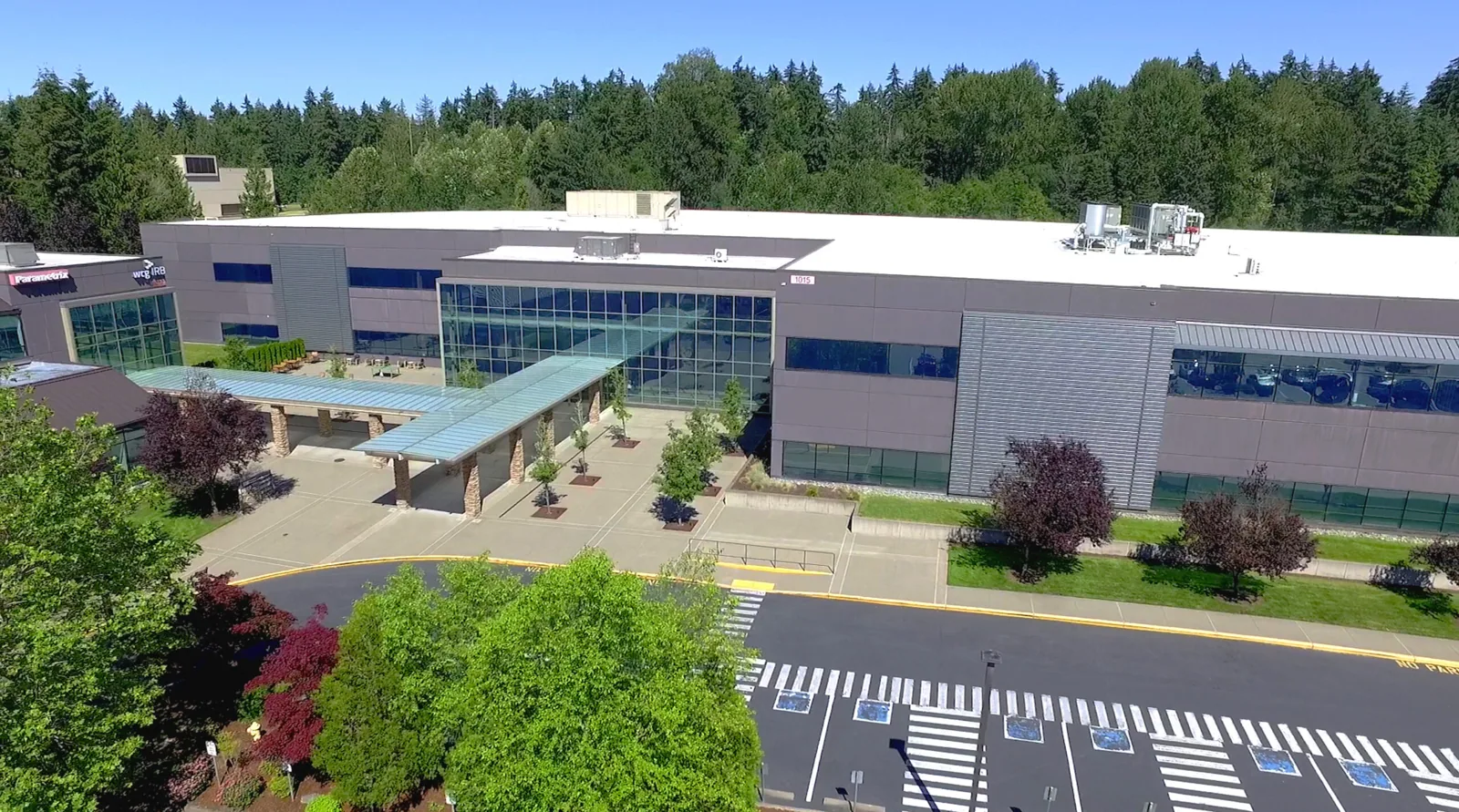
What should the first roof visit establish?
Use an existing roof plan or create a zone map before inspection. Check accessible field surfaces, seams, flashings, curbs, penetrations, edges, drains, and equipment supports. Record open joints, punctures, loose terminations, separated repairs, ponding indicators, and areas blocked from view. Date each photograph and tie it to a roof location. If the center has multiple structures or roof levels, keep findings distinct until records show how they connect.
Ask about leak reports, interior locations, previous repairs, and equipment changes. A ceiling mark can direct the walk but does not prove the roof opening is directly above it. Compare the reported path with accessible details and note whether testing is needed to set a repair boundary. A hands-on roof inspection establishes visible conditions; a condition report with photos preserves findings and limits for ownership and maintenance.
Confirm work hours, delivery routes, tenant notice, lift placement, and pedestrian protection with the site's contact. The work plan should identify crew access, debris movement, and who can pause work if a shared area needs to stay open.
If a zone is inaccessible, state why and what release or method would resolve it. Do not call an unvisited area inspected. Aerial views can document broad conditions, but seams, flashing, and concealed layers may require hands-on assessment or an approved test.
How can a repair limit disruption to the center?
A defect confined to one detail may be repairable if nearby materials remain sound and inspection traces the entry path. Specify preparation, materials, seam or flashing work, access equipment, protection below, and the check at completion. If removal reveals wet insulation, damaged decking, or a failure past the approved boundary, stop and obtain owner approval before increasing the scope.
Water can travel through an assembly before reaching a tenant ceiling. Compare interior reports with nearby penetrations, walls, drains, edges, and patches. A drain and scupper review identifies visible restrictions. An infrared moisture survey may help select areas for investigation when construction and scan conditions support it.
Visitor activity can limit staging or noisy work hours. Plan lift travel, protection for occupied areas, and approved delivery routes. A repair proposal should state what fits the authorized window and how the roof will be protected if weather or concealed damage interrupts the shift.
Separate repair quantities from hidden-damage allowances. Show the included zone, detail to be corrected, and finding that triggers a pause. A short work window succeeds only when materials, access, and closeout steps are ready.
When should a broader roof scope be priced?
Recurring leaks across zones, widespread surface wear, wet insulation, or an unsound deck can point toward testing or replacement. Verify the extent before widening the scope. If one detail has failed while surrounding material remains stable, a defined repair may fit. State what was observed, which test results matter, and what remains concealed.
A replacement estimate should state removal depth, assembly, insulation, edges, drains, penetrations, equipment, disposal, access, and protection below. A recover needs a suitable base plus review of moisture, attachment, drainage, and added thickness at transitions. Keep sections separate when conditions or access differ.
Price and timing depend on measured area, roof height, equipment, staging, removal, concealed repairs, tenant protection, and work windows. Separate confirmed quantities from allowances. A capital planning review can retain the inspection date, budget year, and next review trigger without promising remaining life.
Downtown Kent's planned mix of business, government, culture, housing, and transit can raise different coordination questions than an industrial property. Each site needs its own roof map, contact, and estimate. A Downtown Kent roof review or Kent Valley MIC assessment should rely on that property's findings.
What controls the work window near the station?
For any exposed roof work at Kent Station, the crew needs a forecast and a secure stopping point for each shift. Confirm the surface is suitable for the selected material and define how each open zone will be covered if conditions change. Do not schedule a large opening based only on a seasonal assumption.
Divide a larger job into areas that can be secured at shift end. Set the daily opening limit, dry-in method, drainage route, and closeout check. If rain or a schedule change stops work, crews need a pause point and protection that does not block drains or tenant routes.
The Sounder S Line connection informs visitor coordination, but the building contact sets delivery and staging rules. Check for overlap with shared access, parking, or entrances before reserving equipment. Update notices and protection plans if routes change.
After work, log repaired zones, date, photos, materials, remaining conditions, and next inspection date. Keep approved scopes and change authorizations with the record. Assign a contact and due date for any temporary measure still in place.
What should the property manager provide?
Send roof plans, prior reports, repair invoices, leak history, warranty documents, equipment work, and access procedures. Identify who releases the roof and who can authorize added work. Note hours or paths that must stay clear for customers, tenants, or transit users. List missing records for follow-up instead of assuming the assembly.
For a leak, provide its date, interior location, and prior response. For capital planning, include the budget calendar and replacement deadline. We can inspect first, then price a defined repair, test, or renewal with each step's limits stated.
Kent Valley properties have separate operating and access needs. Keep each building's service record and contact attached to its address. A shared zone-map format is useful, but observations should never transfer from one roof to another.
Commercial Roofing Questions
Does Kent Station's tenant directory tell me what roof systems are installed?
No. It identifies businesses and services at the center, not roof materials or condition. We review property records and accessible areas before selecting repair materials or estimating replacement. Any structure or zone not covered by the available records remains a separate question.
How does the Sounder station affect roof work scheduling?
It is useful context for coordinating visitor movement, but the building contact sets actual access, staging, and delivery rules. We confirm work hours, protected routes, and equipment placement before sequencing a shift. A nearby rail connection does not grant permission to use a particular area.
Can you repair a roof without closing tenant areas?
We plan protection, debris handling, access equipment, and work hours with the property manager. Some tasks may proceed in phases, but the approved route and roof condition determine the sequence. If a hidden defect changes the work, pause for documentation and approval before expanding it.
What changes the cost of a Kent Station roof replacement?
Measured area, roof height, removal depth, assembly, drainage details, equipment, staging, access, tenant protection, and concealed conditions all affect scope. The estimate should separate confirmed work from allowances and show how a phased schedule or restricted delivery window changes the price.
Related Roofing Work
Set the Kent Station roof review around the property schedule
Send roof records, leak locations, access rules, tenant contacts, and the decision date. We will document accessible conditions and price the repair or replacement scope supported by the inspection.