
Silicone Roof Coatings in Kent, WA
Roof Systems
A silicone coating can renew a roof surface only if the existing assembly can support it. In Kent, the first decision is whether the substrate is sound, dry enough, and suitable for the selected coating. We inspect adhesion, seams, flashing, penetrations, drains, and prior repairs before pricing restoration. Ponding may be tolerated by some coating systems, but that does not mean drainage can be ignored. On a Kent Valley facility, access routes and operating hours also determine how much area can be prepared and coated in each phase.
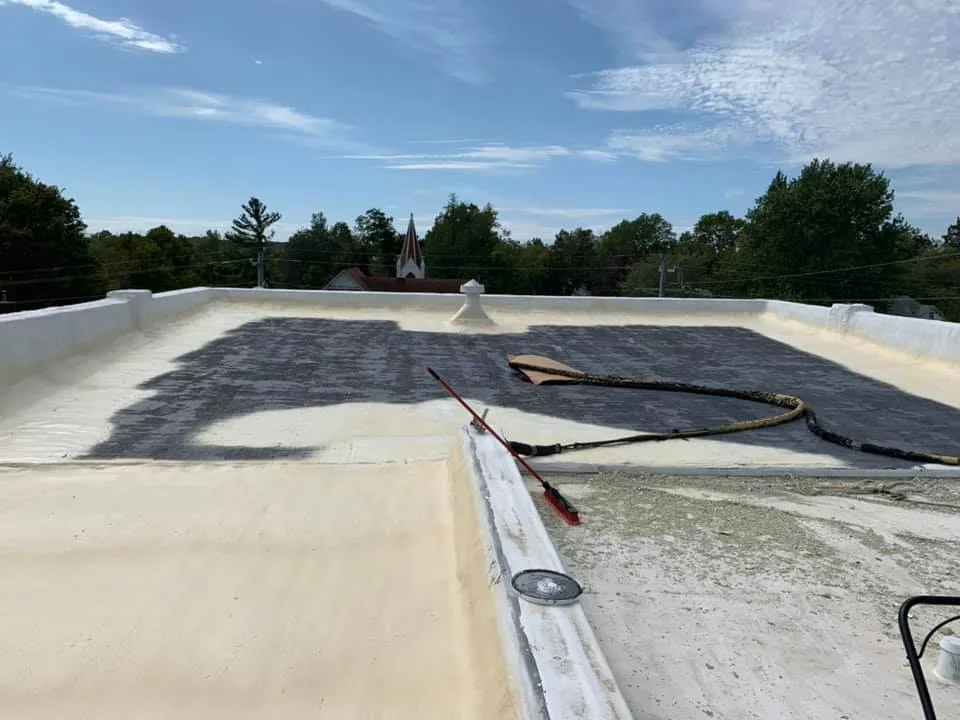
Will the coating bond to this roof?
Adhesion starts with preparation. Dirt, oils, loose granules, chalking, old coatings, and moisture can prevent a new layer from bonding. We identify the existing surface and any prior treatments, then perform compatibility or adhesion testing where the product requirements call for it. The work scope should state washing, repairs, primer, and coating application. A coating name without those steps does not define the installed system.
We check the roof for open seams, loose flashing, punctures, cracks, and deteriorated transitions before applying a field layer. Those details need repair first, with compatible materials and defined limits. If water has entered the insulation, a coating will not remove it. Test cuts can confirm the condition beneath suspect areas; each cut speaks for its location, not every roof section. A moisture survey may help select points for confirmation.
Roof type matters to preparation. A metal roof, built-up surface, modified-bitumen cap sheet, and existing single-ply membrane present different adhesion questions. We inspect the actual surface instead of assuming compatibility from the building record alone. Where the coating is part of a restoration scope, we document which repairs are complete before the coating crew advances to the next zone.
What does ponding mean for a coating plan?
Silicone can be considered for roofs that experience standing water, subject to the selected system's requirements and the roof's condition. A coating still needs an intact substrate, compatible details, and a serviceable drainage path. We identify where water remains, whether the outlet is blocked, and whether slope or settlement contributes. The scope distinguishes a surface renewal from a drainage correction. It should not promise that a coating will remove low spots.
Kent receives more normal precipitation during the cooler months in the nearby Sea-Tac record, while July is considerably drier. That describes a regional station, not a particular building. We inspect drain bowls, scuppers, and low points before planning application. A drainage scope can accompany coating where an outlet needs cleaning or repair. If the roof geometry needs correction, that work requires its own defined approach.
Water can also enter at a curb, wall transition, pipe, or roof edge before it reaches a ponded area. We inspect the entire detail, not just the point where water collects. If metal transitions are involved, perimeter repair may need to precede coating. A low-slope membrane replacement such as TPO may be compared if the underlying assembly or repeated repairs no longer support restoration.
How much roof can be prepared in one phase?
Coating work moves through cleaning, drying, detail repairs, any specified primer, field application, and cure. The amount of area completed depends on conditions and the time available to close it safely. Rain or surface moisture can interrupt preparation or application. We set the daily limit against the current forecast and define the protected stop point before work begins. Nearby Sea-Tac normals show a seasonal wet pattern, but the job sequence depends on actual weather at the property.
Large facilities in Kent Valley may operate through shifts, delivery windows, or restricted equipment routes. We confirm where materials can be staged, which doors or loading areas must remain open, and how workers reach each roof zone. Kent Valley includes aerospace, advanced manufacturing, logistics, and distribution businesses, but those sectors do not establish an individual facility's hours. The site contact provides the operating restrictions that belong in the bid. The Port of Tacoma Tideflats is another regional freight setting, but its terminal access rules do not determine a Kent property's roof staging.
In downtown Kent, Kent Station combines retail, services, and transit connections, which differs from an industrial yard's access pattern. A building contact needs to confirm pedestrian routes, shared parking, deliveries, and roof access for the specific project. We include those constraints in the sequence so coating materials, wash water, equipment, and debris are managed without blocking the building's normal circulation.
What should the restoration price include?
Cost depends on roof area, cleaning method, repairs, primer, coating quantity, access, masking, equipment protection, and the number of phases. An estimate that omits adhesion testing or detail repairs may not describe the same work. We list the preparation and specified coating system, define coverage areas, and separate confirmed repairs from allowances for concealed conditions. The proposal should state how added wet insulation or deteriorated substrate will be handled.
Closeout needs the product and application record, dated roof-zone photos, repaired details, and the areas left outside scope. The owner should be able to see where coating was applied and what drain or flashing issues remain open. A condition report can preserve that baseline for the next inspection. If the building is within the Kent Valley industrial market, recording roof-zone and access details makes future phases easier to compare without assuming all roofs share the same assembly.
We compare restoration with replacement when the substrate, attachment, or moisture findings make a coating a poor fit. An acrylic coating may be evaluated for a different substrate and exposure, while a replacement estimate should use the same roof zones and include removal, insulation, flashing, and disposal assumptions. Send the roof record, access window, and capital decision date so the recommendation ties the coating limits to a real operating and budget schedule.
Commercial Roofing Questions
Can silicone go over an existing roof coating?
Only after the existing coating is identified and the new system's compatibility and adhesion requirements are checked. We inspect for peeling, contamination, moisture, and prior repairs, then test where needed. The proposal should name preparation and any primer rather than assume the old surface will accept a new layer.
Will silicone fix standing water on a flat roof?
A coating can be considered on a roof that experiences ponding if the selected system and substrate are suitable, but it does not correct slope or a blocked outlet. We map the low areas, review drains, and state whether separate drainage work is needed.
What happens if wet insulation is found under the coating?
The affected assembly needs to be opened and bounded before coating proceeds over that zone. We document test locations, remove or repair material within the approved scope, and identify any area needing further investigation. A coating should not conceal a wet substrate whose extent is unknown.
When is the best window for silicone work in Kent?
The application requirements, surface dryness, current forecast, and building schedule set the window. The regional climate is wetter in the cool season, but a specific day's conditions still govern. We phase the roof so each completed area can be protected before the shift ends.
Related Roofing Work
Check adhesion before committing to restoration
Provide the roof record, coating history, known ponding areas, access window, and decision date. We will inspect the surface and assembly, confirm any needed testing, and define which repairs or replacement options should be compared.