Acrylic Roof Coatings in Kent, WA
Roof Systems
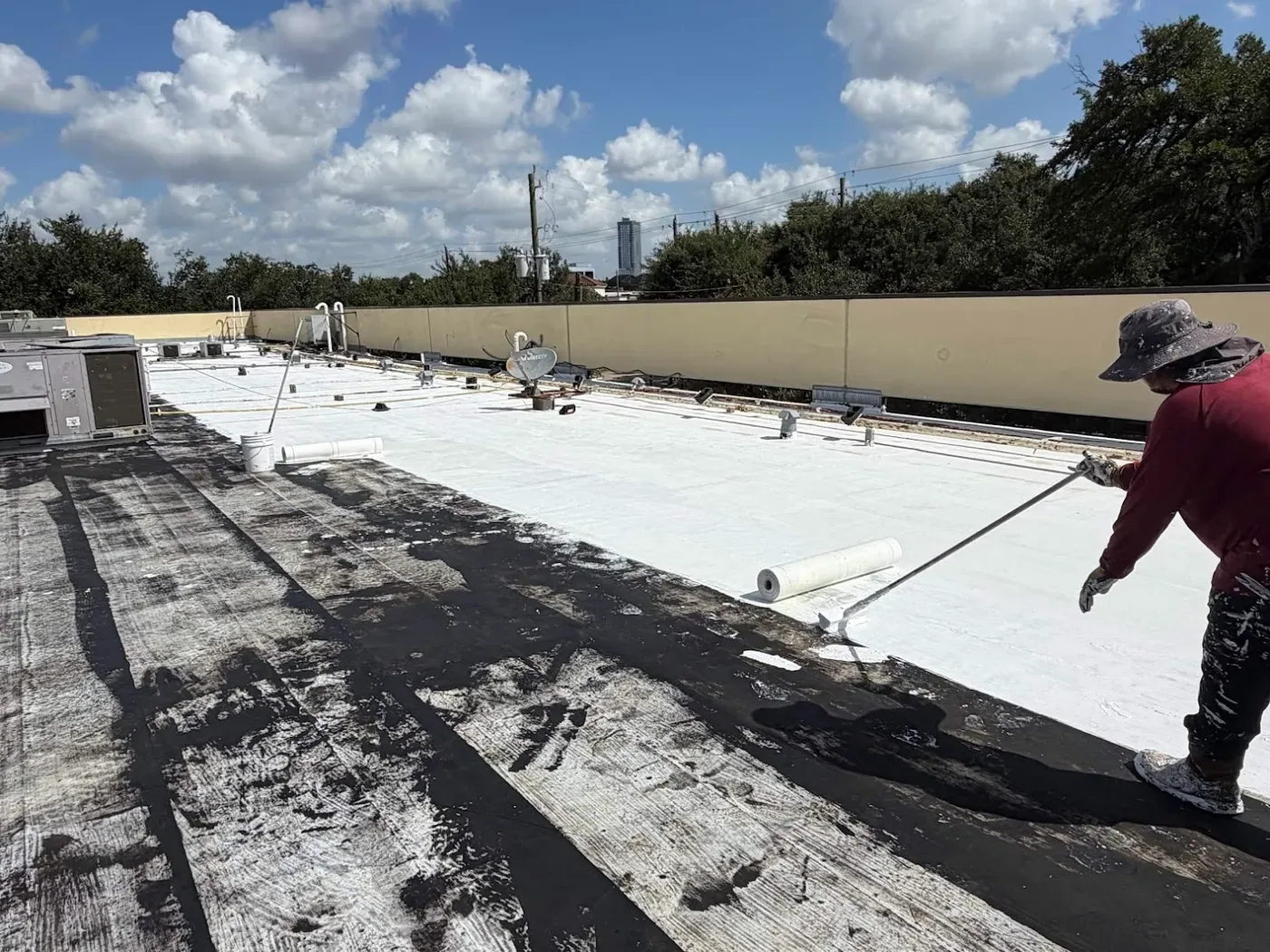
An acrylic coating needs a dry, prepared surface and a roof assembly worth preserving. In Kent, we first determine whether the membrane, metal, or built-up surface is stable enough for restoration. Peeling coating, open seams, wet insulation, and recurring leaks need correction before a new layer is priced. Acrylic systems can provide a reflective finish, but the specified product, substrate, coverage, and cure conditions matter. On an active Kent property, work phases also have to fit the access and weather window.
What surface will the coating meet?
Adhesion depends on the existing roof and preparation. We identify the surface, previous coatings, repairs, and areas of contamination before selecting a primer or coating system. Dirt, loose granules, chalking, oil, or trapped moisture can interfere with bonding. Where compatibility is not established from records and inspection, a test area can help confirm preparation and adhesion requirements before the full roof is included.
Cracks, open seams, punctures, loose flashing, and failed penetrations need defined repairs before field coating. A coating is not a substitute for rebuilding a detail that still admits water. We mark repair zones, inspect adjacent material, and state whether any area needs additional testing. A roof inspection should include both the broad surface and the transitions where water can enter.
Acrylic is a water-based coating system, so application and cure require conditions that allow moisture to leave the applied film. Rain or damp substrate can interrupt the work. We set the sequence from the product requirements, current forecast, and daily closeout. When the assembly is unsuitable or surface preparation cannot produce a sound bond, we compare restoration with a different roof system instead of forcing a coating into the scope. A reflective finish changes how the surface absorbs solar energy, but the result for a building depends on its insulation, HVAC, use, and existing roof. We describe the coating scope and condition without promising a specific utility reduction. If energy performance is a project objective, the owner should evaluate it against the full building assembly.
Will water leave the coated roof?
Acrylic coatings are generally selected where water can drain rather than remain ponded for extended periods. We map low points and check outlets before recommending the system. If standing water reflects a clogged drain, that may need maintenance. If the roof has settlement or poor slope, a coating alone will not change its geometry. The proposal should distinguish surface renewal from a drainage or structural correction.
Kent's nearby Sea-Tac climate normals show more precipitation during the cool season and less during midsummer, though those figures are regional reference rather than a building forecast. We inspect drain bowls, scuppers, and overflow routes before setting the application phase. A drainage scope may be included where an outlet or its surrounding flashing needs repair. We identify any area where application must wait for the surface to dry.
Edge metal and curb details also have to be sound before coating covers the field. A loose termination or open curb corner can allow water below a newly finished surface. We repair those points with materials compatible with the roof and coating system. Where a metal transition is involved, the edge and gutter work should be listed separately so the owner can see which parts of the assembly are being renewed.
How does the Kent work window affect application?
The work sequence includes cleaning, drying, detail repair, primer if required, coating application, and cure. A shift cannot close until the completed area is protected from weather and foot traffic. Nearby Sea-Tac normals show a wetter cool season than the middle of summer, but the actual surface condition and forecast govern whether work can proceed. We agree on daily limits and a stop point before preparation begins.
Kent Valley businesses include aerospace, advanced manufacturing, logistics, and distribution. On a specific site, these operations may affect roof access, loading, delivery staging, or equipment shutdowns. We confirm the facility's actual hours and restrictions with its contact. A public-facing downtown property near Kent Station may need a pedestrian path maintained, while a freight operation may need dock access preserved. The bid should state the conditions that shape its sequence.
The Port of Tacoma Tideflats supports regional manufacturing, warehousing, and freight movement. That context does not establish access at an individual Kent property, but it underscores why site-specific delivery and staging details matter. We confirm lift locations, material storage, wash-water handling, and routes below the work area with the contact before mobilization.
What is included in an acrylic restoration price?
Price depends on measured area, surface cleaning, repair quantity, primer, coating specification, access, equipment protection, and how many phases are needed. A thin allowance for preparation can make bids difficult to compare. We state the surface treatment, detail repairs, specified coating, and coverage limits. If a test area or extra substrate work is needed, the proposal should say how the finding changes the price and who approves additional scope.
Restoration is a viable alternative only if the existing assembly has enough remaining service life and moisture is not trapped below the surface. We use the roof record, observations, and testing as needed to make that case. If the assembly is deteriorated, a replacement comparison should identify removal, insulation, flashing, and disposal assumptions. A silicone system may also be evaluated where its requirements better fit the surface and drainage conditions.
Closeout photos should show the prepared roof, repaired details, completed coating zones, and any items left open. A condition record can keep the coating and repair history available for a future capital decision. A different membrane such as TPO represents a separate assembly and should be compared using the same roof zones and removal assumptions. The next recommendation should state what is known, what remains untested, and the decision date it supports.
Commercial Roofing Questions
Can acrylic coating go over a metal roof?
It may be suitable if the panels, fasteners, finish, and coating system are compatible and properly prepared. We inspect corrosion, loose screws, panel laps, and movement first. A coating cannot restore metal that has lost strength or correct a failed attachment. The scope should include repairs and any adhesion test.
Is acrylic a good option where water stands after rain?
Acrylic systems generally need drainage rather than extended ponding. We map low spots, check outlets, and determine whether blocked drains or roof geometry are involved. The recommendation identifies whether maintenance or a slope correction is needed before coating is considered.
How long does an acrylic coating need to dry?
The selected product's requirements, temperature, humidity, surface moisture, and forecast control cure time. We use the manufacturer's application instructions for the specified system and plan a protected stop point each shift. We do not schedule foot traffic or rain exposure based on a generic number.
What should a Kent coating proposal include?
It should define cleaning, repairs, primer, coating specification, application limits, access, and treatment of concealed conditions. It should also identify whether drains, curbs, and edge metal are included. Those details make restoration bids comparable and show what could change after test results.
Related Roofing Work
Confirm the substrate before coating
Send the roof record, prior coating details, drainage concerns, access window, and decision date. We will inspect the surface and assembly, identify the preparation and testing needed, and compare restoration with replacement where the evidence calls for it.