
Big-Box Retail Roofing in Kent, WA
Property Types We Roof
A large retail roof can cover a sales floor, stockroom, receiving area, offices, and mechanical zones under one membrane. Those areas do not necessarily share the same leak history or operating constraints. A useful assessment connects the interior report to roof sections and identifies which business functions need access protection while work is underway. Commercial Roofing Contractors Kent can inspect the reported conditions, document the roof areas involved, and prepare a scope that gives ownership a clear repair or capital decision.
Before setting a visit, identify the building address, known roof assembly, current leak locations, prior work, and who can authorize roof access. Add loading hours, customer entrance patterns, lift restrictions, and any rooftop equipment that requires coordination with another trade. Kent Station is a downtown mixed-use destination with retailers and services, while the Kent Valley Manufacturing and Industrial Center supports a substantial regional manufacturing and distribution cluster. A big-box site may interact with those transportation and delivery patterns, but its own receiving schedule and property rules must be confirmed by its contact.
We do not infer roof condition from the building's size or brand. The inspection should establish what can be seen, what needs further evaluation, and whether a focused repair, broader maintenance work, or replacement merits pricing.
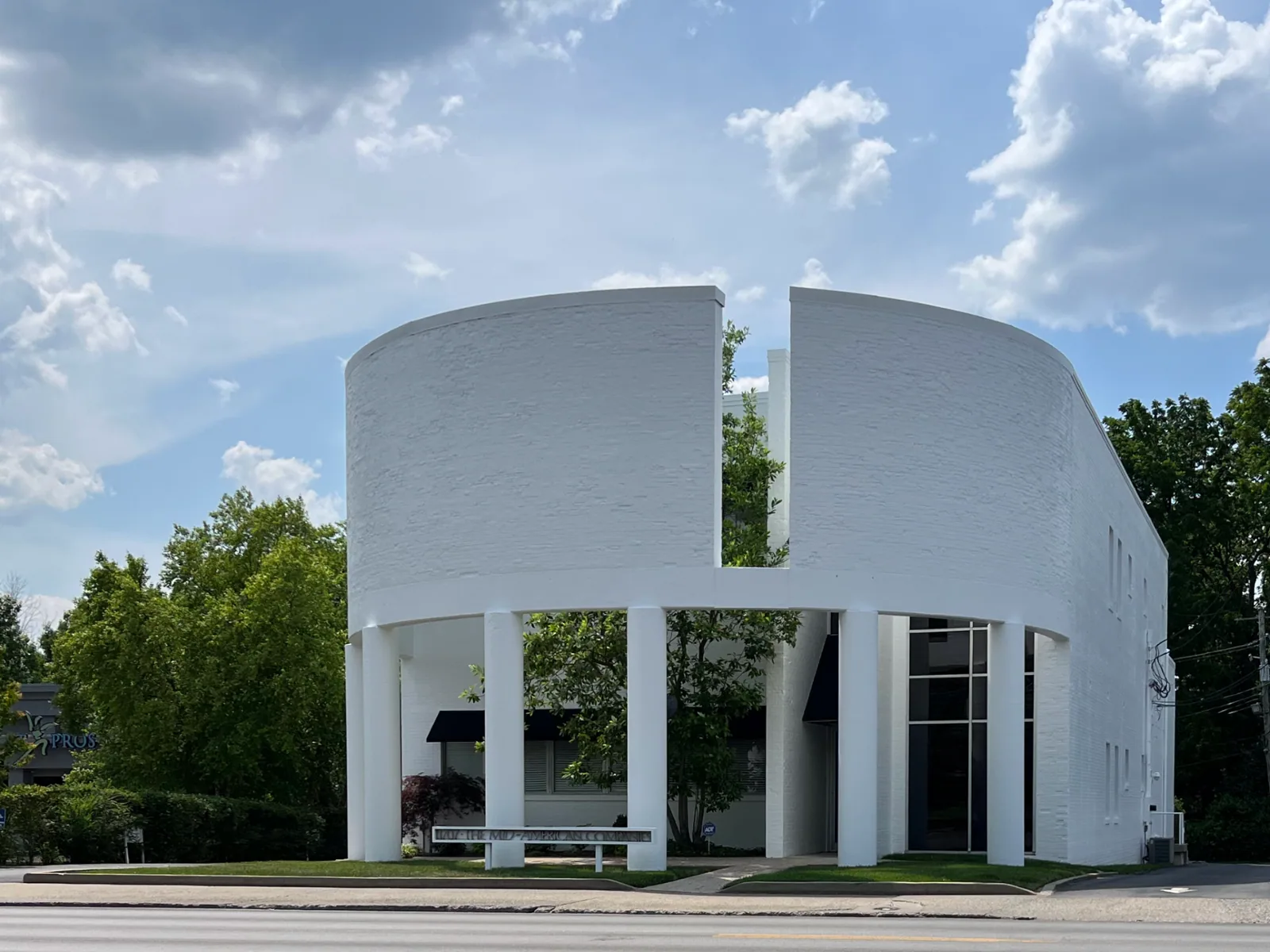
Protect receiving routes and stock areas during roof work
At a big-box location, a roof project can affect more than the public entrance. Receiving doors, staging lanes, stockrooms, pickup areas, and employee routes may sit below or beside the work zone. Ask the property team to mark these areas and flag any hours when deliveries cannot be interrupted. If a lift or material staging area could reduce truck turning room, identify that constraint during planning. These details help define a realistic access sequence and avoid treating a large roof as one unobstructed work surface.
Inside the building, track water reports by bay, department, date, and weather condition. A leak over a stock aisle can create a different response priority from a report over a back office, even if the roof opening is similar. We use the information to focus inspection time, then compare it with roof seams, penetrations, curbs, edges, drains, and previous repairs. If multiple reports occur in separate portions of the store, map them before deciding whether a single localized repair will address the pattern.
Where inventory or equipment needs temporary protection, identify who will move or cover it and when. The roofing scope should state what protection is included and what remains the building team's responsibility. If water-sensitive stock, refrigeration, or point-of-sale equipment is beneath the work area, tell the project contact before work starts so sequencing and interior precautions can be discussed in writing.
Inspect the roof by assembly and operating zone
A broad roof may include multiple construction phases, repairs, or equipment changes. One field of membrane can look different from another because of age, exposure, drainage, or previous detailing. We inspect the areas tied to the reported issue and note visible conditions at seams, flashing, penetrations, drains, curbs, and transitions. When the roof plan or repair records identify separate sections, the findings should preserve those boundaries instead of averaging them into a single condition statement.
Document roof access points, fall-protection constraints, equipment clearances, and any areas that cannot be reached during the initial visit. An inspection describes observable evidence; it cannot confirm concealed moisture or assembly layers that are not exposed. If a test cut, infrared survey, or selective opening would answer a material question, the recommendation should explain the location and decision it supports. That keeps added investigation tied to a real uncertainty.
For a roof with multiple drains or long drainage paths, note where water is reported to remain and whether debris or a visible obstruction is present. Do not assume that every low area is ponding or that a drain is defective based only on a tenant report. Inspection and any needed drainage evaluation should establish the condition. A commercial roof inspection can document the assembly and access limits; a drain and scupper review checks outlets and surrounding membrane.
Compare a targeted repair with a capital project
A repair can make sense when the problem is isolated, accessible, and supported by the roof findings. A recurring leak at several seams, widespread deterioration, poor transitions, or a history of repeat calls may justify evaluating a larger scope. The proposal should distinguish what was observed from what is assumed and should identify the exact roof zones included. If the facility has more than one system or construction phase, separate pricing can help ownership compare a targeted correction with a phased replacement.
For repair work, the written scope should name the location, the visible defect, the repair method, and any limitations tied to existing materials. For replacement, specify preparation, insulation and cover-board assumptions, edge and penetration details, drainage, temporary protection, and how work will be divided around operations. Do not treat a manufacturer's warranty or a roof's expected service life as established without review of the actual assembly, records, and proposed scope.
Maintenance inspections provide a record of observed conditions and completed work. Keep dated photographs, repair invoices, leak reports, and roof plans together. A follow-up note can identify open questions and areas to check at the next visit. This history can help a property manager assess whether recurring calls are in one section or spread across the facility, and it gives a capital team more than an undated list of repair requests.
Confirm a work sequence with store leadership
Before crews mobilize, confirm the on-site contact, receiving windows, customer access rules, restricted areas, and the process for reporting a new leak. Set a check-in method for work zones that may change during the day. If a mechanical, electrical, sign, or refrigeration contractor must handle equipment, name that responsibility in the project plan. Roofing work should not imply control of systems owned or operated by another trade.
For a large roof, a zone-based schedule can make progress easier to track. Each phase can identify its boundaries, planned access, temporary conditions, and closeout status. Weather or concealed conditions may change the sequence, so the contact should know how updates will be approved and distributed. At completion, reconcile the installed work with the scope, capture available photographs, and list any maintenance observations outside the contract.
A second shopping-center roof or grocery roof needs its own receiving schedule and roof map. For a dealership roof, confirm service-bay access before staging. A replacement or occupied-building reroof should list work zones and temporary protection; roof records can preserve each building’s history. For a roof in the Kent Valley, confirm the site’s own access plan and roof records before scheduling a visit. Share the roof plan, issue list, and store access requirements to start.
Commercial Roofing Questions
Can a big-box store remain open during roof replacement?
That depends on the roof scope, access layout, safety controls, and the store's operating requirements. We can discuss phasing and protection after reviewing the building and confirming customer, receiving, and emergency access rules with site leadership. The written plan should state the zones and assumptions rather than promise uninterrupted operations before those conditions are known.
What information helps locate a recurring roof leak?
Provide the interior bay or department, date and time, weather conditions, photos, and any earlier repair records. If reports come from more than one area, map them separately. Those details guide the roof inspection, but water may travel before it appears indoors, so the opening may not sit directly over the visible stain.
Will the inspection include every square foot of a large roof?
The visit scope should define which roof areas will be accessed and what can be safely observed. A reported leak may require a focused review, while a condition assessment may cover broader sections. Inaccessible areas and concealed assembly conditions should be listed as limitations, with any recommended additional testing described separately.
How should managers compare repair proposals?
Compare the stated roof locations, observed conditions, repair method, access assumptions, exclusions, and follow-up recommendations. For replacement, review preparation, transitions, penetrations, drainage, occupant protection, and phasing. If proposals describe different areas or assumptions, ask for clarification before comparing totals.
Related Roofing Work
Map the roof zones before setting the work window
Send the facility address, roof records, leak locations, receiving schedule, equipment constraints, and store access rules. We will inspect the defined areas and return a written scope tied to the visible conditions.