Shopping Center Roofing in Kent, WA
Property Types We Roof
A shopping center roof rarely serves one decision-maker. A property manager may be tracking a leak over a tenant suite while an owner reviews capital timing, a facilities lead checks rooftop equipment, and tenants need to know whether an entrance or delivery area will be affected. A useful roofing scope starts by bringing those concerns onto one roof plan. Commercial Roofing Contractors Kent can inspect the reported condition, document the affected areas, and explain which next step is supported by what is visible.
In Kent, retail activity is spread across places with different access patterns. Kent Station combines shops, restaurants, and public destinations near the Sounder station; other retail properties serve a market near the Kent Valley Manufacturing and Industrial Center, where manufacturing, aerospace, and distribution are major regional activities. That variety matters when arranging roof access, lift placement, deliveries, and customer routes. We confirm the property's own hours and restrictions with the contact instead of assuming every center follows the same schedule.
Start with the address, roof type if known, recent repair records, leak locations, and any tenant or loading constraints. We can then identify the inspection areas and return a written scope that separates immediate water-entry concerns from larger maintenance or replacement questions.
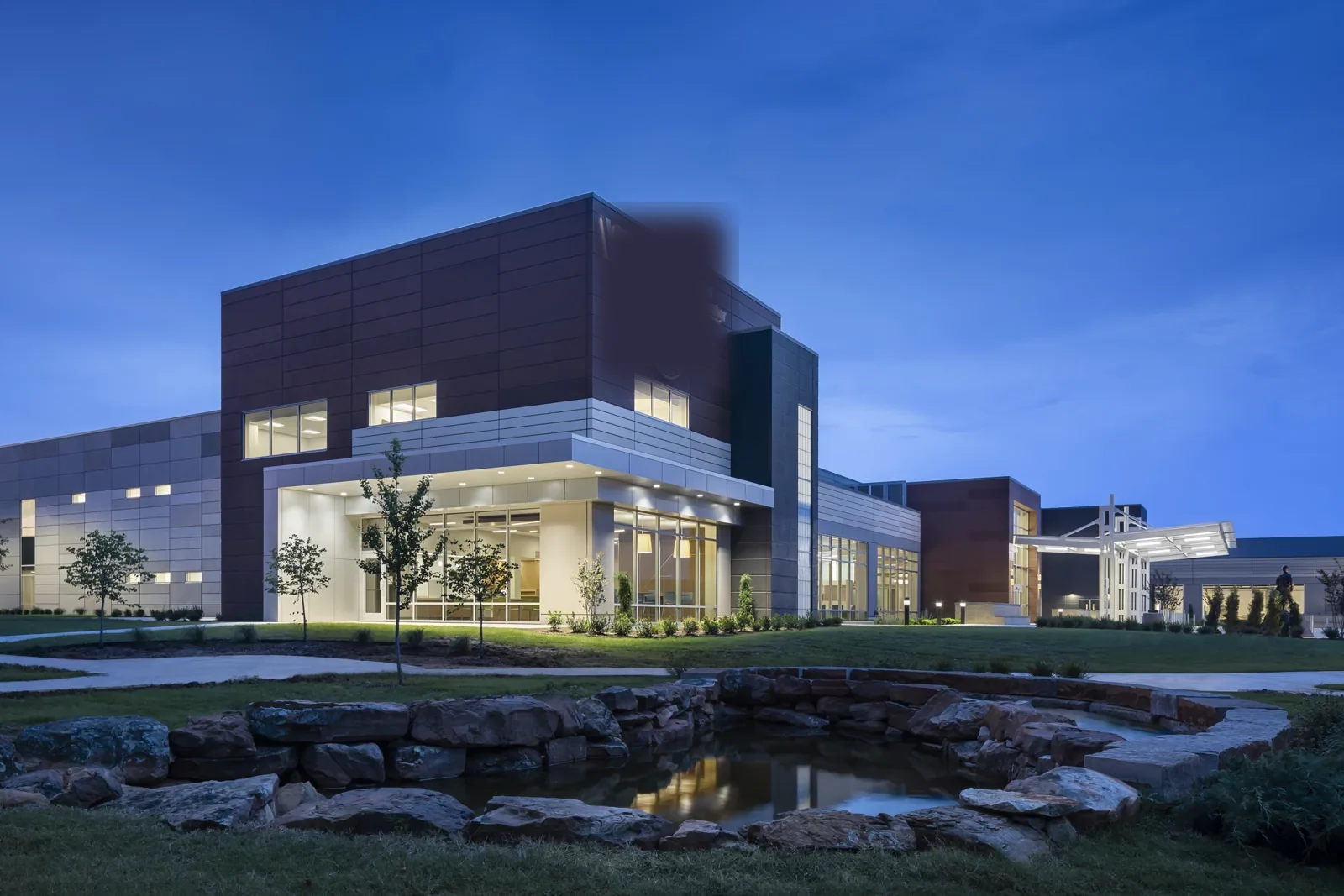
Trace water entry across connected tenant spaces
A stain inside one suite does not always mark the roof opening directly above it. Water can travel along a deck, insulation joint, curb, conduit, or drain path before it becomes visible. On a center with multiple tenants, the first report may also omit an adjacent suite, shared corridor, stockroom, or back-of-house area. We use the reported symptoms to guide a roof-level review, then compare those observations with the interior locations and the building's repair history.
For the visit, gather photos, dates when the leak appeared, whether it follows rain or equipment use, and any temporary measures already taken. A simple tenant-by-tenant location list can keep access focused. If the property has several roof sections or additions, identify which tenant bays share each section when records are available. The inspection can then document visible membrane or flashing conditions, penetrations, drainage points, and transitions without treating every roof area as one uniform assembly.
We describe what was observed and what remains uncertain. A roof inspection is not a confirmation that concealed wet materials or the full leak path will be visible without opening the assembly. If further testing or selective removal is warranted, the report should state why, where, and what decision the added work will support. That gives ownership a practical basis for authorizing the next step.
Plan access around storefronts, deliveries, and rooftop equipment
Retail work has to account for the people using the property below. Before mobilization, confirm customer entrances, tenant business hours, service corridors, loading windows, fire lanes, and any rules for staging materials. Shopping centers near Kent Station may have transit and pedestrian activity to account for, while a center elsewhere in Kent may have a different mix of parking and delivery movements. The property contact is the source for current site restrictions, and the work plan should reflect those confirmed conditions.
Rooftop units, exhaust fans, signs, skylights, and communications equipment can constrain work areas or affect the repair detail. Make an equipment list if one exists and note units that serve particular suites. Ask who can authorize shutdowns or provide access where a mechanical contractor must be involved. Roof work should not imply that a roofer is taking responsibility for operating, disconnecting, or recommissioning another trade's equipment unless the written scope says so.
For occupied properties, the sequence may be more useful than a single start date. A phase plan can identify roof zones, expected tenant coordination, temporary protection, and the conditions that could shift a work window. If a retail tenant has a delivery or event constraint, share the dates early. We can discuss a sequence with the owner or manager and document the agreed access assumptions before the crew is scheduled.
Choose repairs, maintenance, or replacement from documented conditions
One leak does not automatically call for a full replacement, and an older roof does not make a small repair dependable by itself. The decision should consider the number and distribution of active problems, prior repair performance, drainage, flashing condition, visible membrane wear, and any available roof records. On a multi-tenant center, repeated calls in separate bays may point to a broader issue, while one isolated opening may support a limited repair. The inspection findings help distinguish those situations.
A repair proposal should identify the area, the visible condition, the work included, and any assumptions about access or existing materials. If the problem cannot be confirmed without opening the roof, say so. A replacement scope should describe the sections included, preparation, transitions, penetrations, drainage details, and protection for occupied spaces. If multiple roof sections have different histories, show them separately so the owner can compare a phased approach with a single project.
Maintenance can also follow observable conditions. Keep inspection notes, dated photographs, repair locations, and follow-up observations together. After a significant storm or a reported leak, record which areas were checked and what was found. Kent's wet-season conditions make timely drainage and leak reporting worth discussing, but no weather pattern can establish the condition of a particular roof without an inspection. For a roof inspection or commercial roof replacement, connect the decision to the property's own records and findings.
Make tenant communication part of the scope
Before work begins, decide who sends notices, how tenants report new water entry, and who can approve changes if concealed conditions appear. A short communication plan can name the property contact, the roofing lead, and the person who coordinates tenant access. It can also explain where work is happening, when noise or staging is expected, and what route should remain open. Those details are property-specific, so we confirm them with management rather than publishing a generic promise about disruption.
During the work, keep a simple record of completed roof areas, open items, weather interruptions, and any condition that differs from the approved scope. If a temporary measure is needed, make its purpose and next review step clear. At closeout, provide the agreed documentation, photographs where available, and any maintenance items observed outside the completed scope. The owner can then keep one current roof record instead of reconstructing what happened from separate tenant emails.
Retail buildings may have different roof and access needs: a retail store roof or restaurant roof can share tenant routes with a large-format retail roof. A commercial roof inspection can map conditions before ownership prices a replacement scope or drainage correction. For a center near Kent Station, confirm pedestrian, parking, and delivery access at the property. Start with the address, leak map, and authorized access contact.
Commercial Roofing Questions
Can roofing work be phased by tenant or building section?
Yes, if the roof layout and condition support a practical sequence. We can identify distinct roof zones, access limits, and the work included in each phase, then confirm tenant hours and staging rules with management. The inspection should first establish whether separating areas leaves a sound transition and a clear plan for water protection.
What should a property manager collect before an inspection?
Bring the property address, roof plans or prior reports if available, dates and locations of leak calls, repair invoices, tenant access rules, and any known rooftop equipment constraints. A marked floor plan helps relate interior reports to roof sections. Missing records do not prevent a visit, but they can limit what can be concluded about concealed conditions or repair history.
Will a leak always be visible directly above the tenant's ceiling stain?
No. Water may move along roof layers or structural components before appearing indoors. We compare interior reports with roof details, drainage, penetrations, and prior repairs, then explain what evidence supports the likely path. If the source remains uncertain, the scope should say what additional inspection or selective opening could resolve it.
How do you coordinate work near customer entrances and deliveries?
We ask the property contact to confirm entrances, loading windows, fire lanes, business hours, and staging restrictions before scheduling. The written work sequence can identify the affected zones and expected access needs. Tenant notices and any special delivery coordination should follow the center's own procedures.
Related Roofing Work
Set the inspection around the center's access rules
Share the address, tenant leak locations, roof records, access restrictions, and any known delivery or equipment windows. We will inspect the reported areas and provide a written repair, maintenance, or replacement scope tied to the conditions observed.