
Commercial Roofing in Bellevue BelRed, Bellevue, WA
Service Areas
BelRed is Bellevue's innovation and arts district and a former warehouse district. The city counts more than 100 creative businesses and nonprofits there, alongside the Global Innovation Exchange, major technology campuses, and the Spring District transit-oriented development. That mix makes it useful to confirm tenant coordination, access, and work hours with the property contact before setting a roof scope.
We inspect accessible roof areas, trace reported leaks to the details identified in the field, and help ownership choose a repair, test, maintenance, or renewal path. Send the building address, roof records, repair history, access contact, and the date a report or estimate is needed.
Confirm the property's current use, roof records, approved access, and staging contact before setting equipment or sequencing work. If redevelopment could affect deliveries or access, confirm its timing with the property manager.
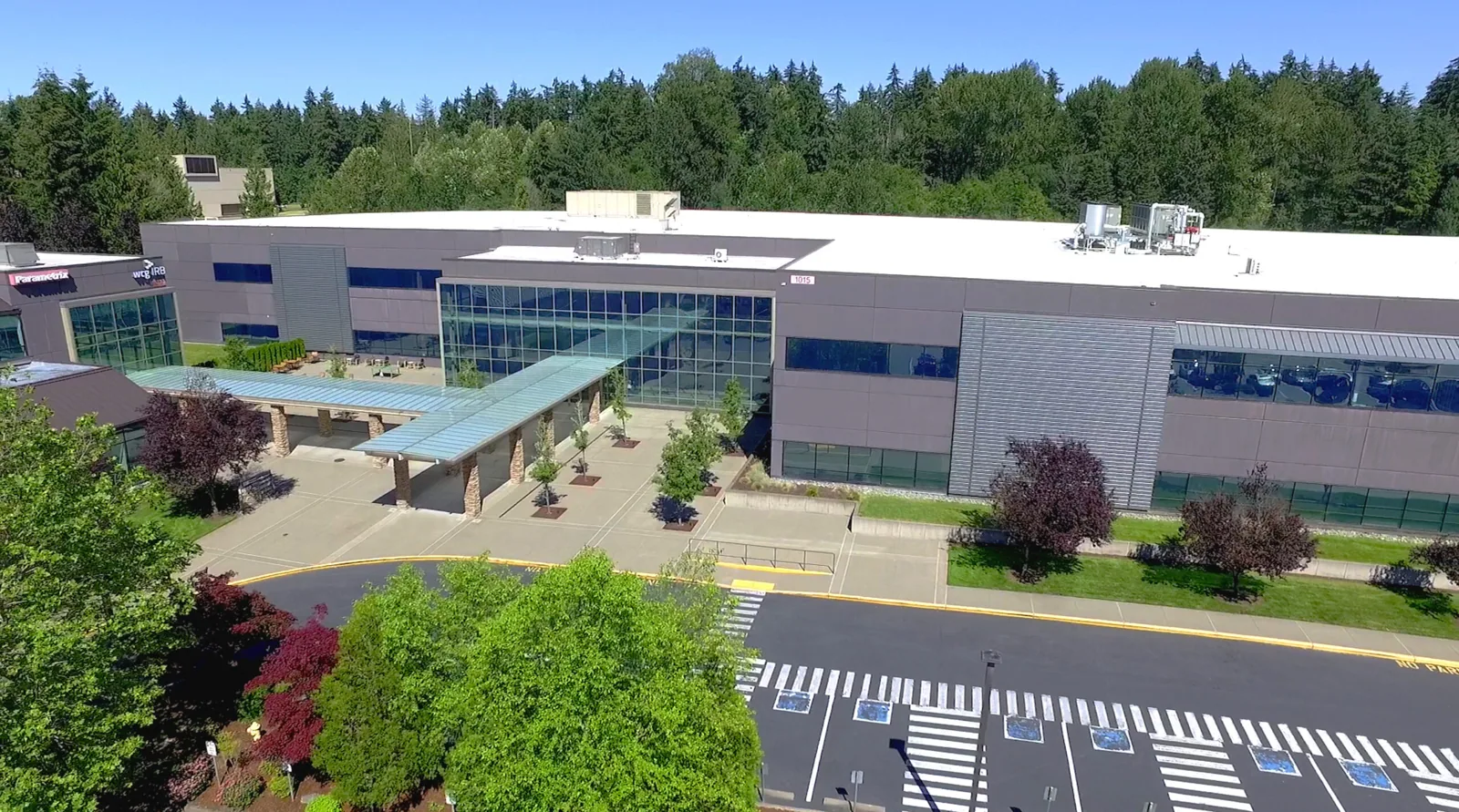
What should the roof walk establish?
Use current drawings, prior inspection reports, warranty files, leak records, and equipment work orders. Divide accessible sections into a map and inspect field material, seams, edges, wall transitions, penetrations, curbs, drains, and former repairs. Photograph open joints, punctures, loose terminations, flashing failures, debris, and water indicators with a date and zone reference.
Ask where water appeared inside, how often it returned, and what work has already been done. A visible stain may be offset from the actual roof entry point. Compare the reported location with accessible details and mark areas blocked by equipment or restricted access. A commercial roof inspection establishes visible conditions; a roof condition report can retain findings, limitations, and next actions.
Creative businesses, nonprofits, technology campuses, and transit-oriented development can have different access procedures. The facility contact identifies escorts, security check-in, visitor routes, equipment clearances, work hours, and the building's current use.
If a section cannot be reached, list it as uninspected and identify the permission or equipment required for a return. Broad imagery can orient the map, but a hands-on review may still be needed for seams, flashing, and concealed moisture. Define tests before using results to expand a repair scope.
How can repairs protect active workspaces?
A limited repair can fit when inspection isolates a defect and surrounding material remains sound. State the roof zone, preparation, material, detail correction, access equipment, protection below, and completion check. If opening the area reveals a separate failure, secure it, document the condition, and ask ownership before increasing the authorized work.
A commercial repair plan should account for the property's business hours, security procedures, material route, debris handling, and any protection needed below. For a campus or creative workplace, the manager can identify which entries, workstations, or public paths must remain available. Make the approved work window explicit before crews arrive.
Check nearby drains and scuppers when a leak report suggests water is collecting. A drain review documents visible restrictions. If moisture may extend below the roof covering, an infrared moisture survey may help select test points when construction and scan conditions support it. Confirm findings before pricing removal quantities.
Keep the measured repair separate from an allowance for concealed conditions. Identify the evidence that would trigger a change request and who may approve it. Closeout should record the zone, date, materials, photographs, unresolved items, and follow-up responsibility.
When should a broader roof investment be evaluated?
Leaks that recur after repair, surface wear across different zones, moisture below the covering, or deck concerns can justify testing or a replacement comparison. Verify whether reports relate to the same building and roof area. A specific flashing issue may remain local; repeated conditions can support a wider scope. Explain the evidence and inspection limits.
A replacement estimate should identify measured areas, removal limits, assembly, insulation, attachment, edges, drainage, penetrations, equipment, disposal, access, and interior protection. A recover requires review of existing layers, moisture, attachment, drainage, and height at transitions. Keep different structures and phases separate when construction or access varies.
Cost and timing depend on roof area, roof height, equipment, staging, concealed repairs, tenant protection, security, and the duration of approved work windows. If a campus or technology property has an active redevelopment plan, verify its funding, dates, and access impacts with the owner. Do not assume that transit-oriented development applies to each adjacent roof project.
A capital planning assessment can compare immediate repairs and replacement options with budget dates. Keep each building's condition and assumptions separate. The district's arts and technology mix provides context, not a basis for promising a roof's remaining service life.
What should a phased project leave behind each day?
Choose the opening limit after checking current weather, material requirements, roof condition, and the crew's ability to protect the area at shift end. Confirm who checks the dry-in and how a schedule or access change will be communicated.
For a phased installation, define the temporary cover, water path, drain access, and stopping point. Keep the work boundary small enough to secure and protect the space below. If an operating restriction or weather event interrupts work, leave a clear status and approved protection for the next shift.
BelRed's technology campuses and Spring District transit-oriented development may have separate access procedures. Verify delivery routes, equipment placement, public protection, and hours with the property contact. Confirm whether a campus, tenant, or public route needs separation from the roofing work.
At turnover, provide photos, dates, completed zones, materials, approved changes, and open items. Assign a contact and due date for any temporary protection. Set maintenance checks from the inspection record and owner priorities.
What does the facility team need to share?
Send current roof plans, service records, leak reports, warranty information, equipment work, and access instructions. Identify who can arrange the inspection and who may approve extra work. Note escort rules, security, tenant notices, delivery windows, lift limits, and routes that need to remain open.
For a leak, provide the first observed date, interior location, recurrence, and prior repair. For budgeting, state the decision deadline and whether the owner needs repair, testing, recover, or replacement options. If the building's use has changed from warehouse to another operation, identify which current records describe it.
Track each property by address and roof zone. A Factoria property inspection and a Covington roof review need their own contacts and records; keep BelRed photos and approvals with the correct building.
Before work begins, check the exact included zones, excluded areas, protection plan, and process for concealed findings. The proposal should tie each recommended task to a documented condition. This gives ownership a basis for deciding what to do next without relying on a district label.
Commercial Roofing Questions
Does BelRed's former warehouse history describe current buildings?
No. It describes the district's earlier use. Confirm the current building use, roof assembly, and access rules with the property contact before setting a scope.
Does the Spring District permit access to neighboring roofs?
No. Each building has its own owner and access authority. Confirm permission, security procedures, and staging with the responsible contact.
How should a roof plan handle a creative or technology tenant?
Confirm security, work hours, equipment routes, occupied areas, and notice requirements with the facility manager before sequencing the scope.
When is testing needed before a replacement estimate?
Testing may be useful when hidden moisture or attachment could change the repair boundary or removal scope. Define the method and location before proceeding.
Related Roofing Work
Request a BelRed roof condition review
Send the address, roof records, leak history, current access rules, and decision date. We will document accessible conditions and outline a repair or renewal scope tied to the findings.