
Fitness Center Roofing in Kent, WA
Property Types We Roof
A fitness center roof decision affects more than the rooms directly beneath a leak. The building may include exercise floors, studios, locker rooms, childcare, offices, and rooftop mechanical equipment, each with a different schedule. A water report near a member area needs a defined response, while replacement planning needs to account for classes and access. Commercial Roofing Contractors Kent can inspect the affected roof areas, document what is visible, and tie the recommendation to an operating window and capital decision.
Before scheduling, share the address, leak record, roof plan, prior repair notes, class timetable, opening hours, and the person who can authorize access. Mark entrances, loading areas, childcare or locker-room zones, rooftop equipment, and any maintenance contractor who controls a system. Kent Station is a downtown mixed-use center with services, restaurants, and retail, and the Sounder S Line serves its station. Downtown Kent is planned as a walkable mixed-use center with transit connections. Those locations have different circulation patterns from a standalone fitness property, so the facility contact should confirm the site's actual member and delivery routes.
We separate roof observations from equipment or indoor humidity questions. The inspection should name what was reached and what remains uncertain, then explain whether a repair, further evaluation, or broader replacement scope answers the owner's concern.
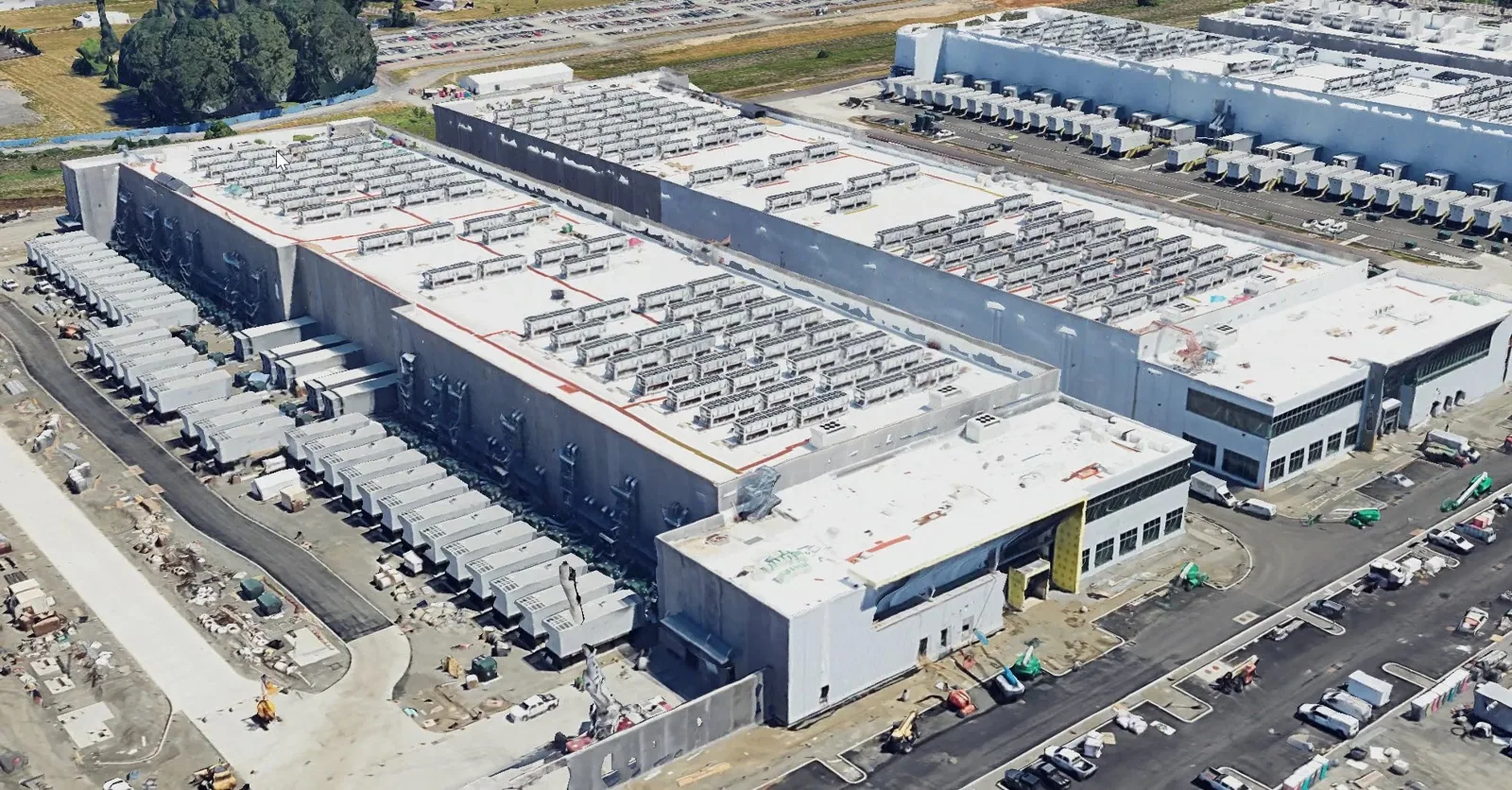
Fit the repair window around classes and member traffic
Class schedules create short periods when a studio, court, or training floor may be difficult to close. Ask the manager to mark high-use hours, youth programs, events, and any areas that require uninterrupted access. Confirm whether members use the same entrance as deliveries and where temporary signs or barriers may be placed. A roof work plan can then identify zones, noise periods, and access assumptions for the facility to review.
If a leak threatens equipment or flooring, management can identify the contents that need immediate protection. The roofing scope should state which roof-side measures are included and who handles moving or covering items indoors. Do not assume the roof crew controls class cancellations, member notices, or relocation of exercise equipment unless the written agreement assigns those duties. A point of contact should be available to resolve access questions when the work area changes.
Some centers have early and late operating hours. The crew's access window may not match the hours that the building is open, especially if the roof hatch lies in a controlled space. Confirm keys, escorts, alarms, and security procedures before the first visit. If the facility is near downtown destinations such as Kent Station, the property manager may also need to account for shared parking or transit activity, but the actual site plan determines what applies.
Separate roof entry from condensation and equipment issues
Moisture reported in a locker room or studio can come from roof entry, plumbing, condensation, or ventilation. Record when it appears, whether it follows rain, which equipment was operating, and whether the surface feels damp or shows a stain. A roof leak can move through the assembly before becoming visible, so the indoor location should guide the inspection without being treated as proof of the opening.
On the roof, inspect seams, penetrations, curbs, exhaust transitions, skylights, edges, and drainage points near the report. Fitness facilities may have substantial ventilation needs, but the actual equipment layout and service history come from the property. We document visible flashing and membrane conditions; the facility's mechanical contractor should assess equipment operation or condensate systems when those questions arise. That keeps roof repair and HVAC diagnosis from being conflated.
If an assembly is concealed or a roof section cannot be reached, the report should say so. A moisture survey or selective opening may help establish whether wet insulation extends beyond the visible symptom. Explain the location and decision the added test will inform. The owner can then decide whether the information changes a local repair, a phased scope, or the replacement threshold.
Compare repair scope with the center's capital year
A localized defect can support repair if the adjacent roof remains suitable. Repeat calls at several details, visible deterioration across a section, or a repair history that does not resolve the condition may justify evaluating broader work. The proposal should identify the roof zones, observed issues, and limitations. If there are separate studio, locker, or office additions, keep their findings distinct when the assemblies differ.
For repairs, specify location, preparation, method, and access. A replacement scope should list roof boundaries, assembly assumptions, removal and insulation needs, flashing, equipment transitions, drainage, and protection below. Show whether work is phased and what space or member route may be affected. If a weather delay requires leaving a portion of the roof in a temporary condition, define the protection and the next inspection point rather than leaving that decision open.
Nearby Sea-Tac climate normals show a wet season from October through March, with much drier July and August conditions. They are regional context, not the forecast over a particular gym. The daily work limit should follow actual conditions and the facility's schedule. A phased occupied-building plan can define handoffs by zone, while a roof inspection ties the recommendation to field evidence.
Leave management a roof record it can maintain
Choose a facilities contact who can confirm access, receive findings, and approve changes. Keep progress notes connected to roof sections, with dates, temporary protection, work completed, and any new condition that differs from the bid. If a mechanical contractor must shut down or restart equipment, name that person and handoff in advance. When a repair extends beyond the visible area, document the reason and the authorized change.
At closeout, list completed roof areas, provide agreed photographs, identify maintenance items outside the contract, and state any unresolved limit. Retain leak calls, invoices, equipment service notes, plans, and warranty documents together. For a center with multiple fitness or community-use spaces, those records help distinguish a repaired section from one that was never inspected.
Where the owner also manages a hotel roof, shopping-center roof, or school roof, keep each access plan tied to that building’s operating schedule. A drain and scupper inspection, equipment curb repair, or maintenance visit should identify the fitness center roof zone and work limit. Near Downtown Kent, the facility contact confirms the entrance and member route before staging. Share a roof map, class timetable, prior work, and the date by which ownership needs a recommendation.
Commercial Roofing Questions
Can repairs happen while fitness classes are running?
The work location, noise, access controls, and class layout determine whether that is practical. We can describe the roof zone and expected access needs, then the facility can identify classes or rooms that must remain available. The schedule should be confirmed against the center's actual calendar.
Could a damp locker room ceiling be caused by condensation?
It could be, particularly if ventilation, plumbing, and roof entry have not been distinguished. We compare the timing and interior report with roof details; the mechanical contractor can evaluate HVAC or condensate operation. The inspection should state what evidence supports a roof repair and what remains a separate question.
What should a facility send before the roof visit?
Provide the roof plan, leak dates and locations, operating hours, class schedule, access instructions, and any rooftop equipment list. Note areas with exercise equipment or member traffic that need protection. Those details help define the visit and identify who can approve a work window.
How does the owner decide between repair and replacement?
Compare the number and distribution of defects, prior repair results, visible assembly condition, drainage, and the work boundary. We identify which observations support a local repair and what additional testing could change that view. The capital year and access schedule then help determine when a larger project can proceed.
Related Roofing Work
Set a roof review against the member schedule
Send the roof plan, leak history, class and event calendar, access rules, and equipment contacts. We will inspect the reported areas and define the next step from the visible roof condition.