
Commercial Storm Damage Roof Repair in Kent, WA
Commercial Roofing Services
A storm report from a Kent property should begin with the condition at the building, not an assumption about what the weather did across the city. We document the time, affected interior area, roof location if known, and any immediate safety concern. Then we inspect the membrane, edge, flashing, rooftop equipment, and drainage for visible changes. A displaced panel or puncture may call for temporary protection before a full evaluation. We record what is observed and what needs testing so the owner can separate damage from pre-existing wear.
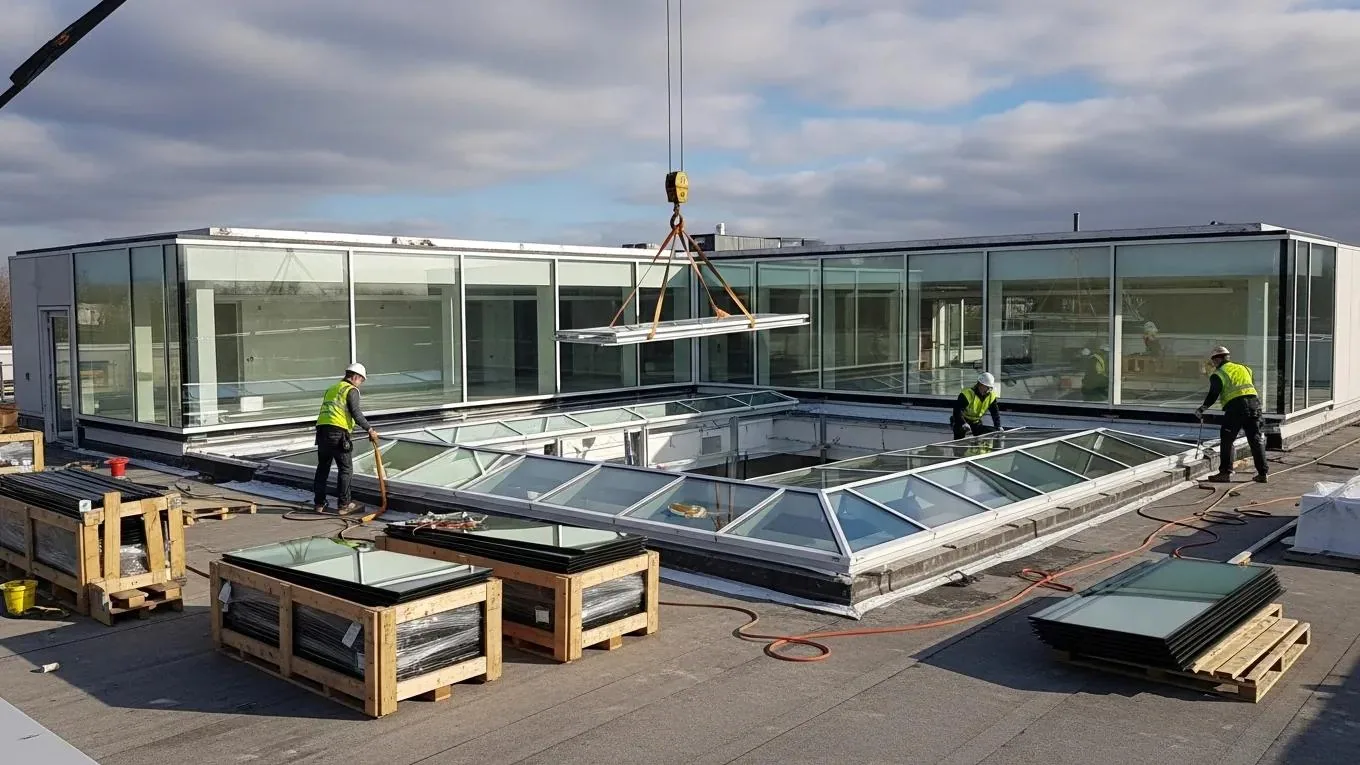
What should be checked right after the event?
First identify water entry, loose materials, exposed insulation, and hazards below the roof. The building contact can help locate affected rooms, equipment, inventory, or production areas. We ask whether the roof was accessed recently and whether earlier repairs were already scheduled. That history matters because a condition after a storm is not automatically caused by the storm. A sound assessment distinguishes a new change from older deterioration wherever the evidence allows.
On the roof, we photograph displaced edge metal, lifted flashing, open seams, punctures, fallen branches, debris, or damaged rooftop equipment. We note the exact roof zone and the extent of what can be reached safely. A visual inspection may show an opening but not whether moisture has traveled under the membrane. Where the interior reports and roof observations do not line up, a focused leak investigation can trace the water path.
If water is still entering, safe temporary dry-in can limit further exposure while permanent work is scoped. We define the covered area, the materials used, and the follow-up required. For a building near Kent Valley industrial activity, the protection plan also needs to account for dock movement, production access, or stored goods below. We confirm those details with the site contact rather than assume the building is occupied in a particular way.
How do we separate storm impact from wear?
Condition evidence includes close photographs, wide views for orientation, repair records, and the building's report of when the change appeared. A fresh split or puncture may have a clear location and edge. A long-standing seam problem may show previous patches or deterioration beyond the reported event. We describe the observed condition and avoid assigning a cause when the roof evidence cannot support it. If an owner is making an insurance decision, that distinction helps keep the repair record accurate.
Nearby Sea-Tac climate normals show a wetter part of the year from October through March and much drier midsummer months. Those are regional station values, not proof that a specific Kent roof experienced a particular storm. We use the weather record provided for the building and inspect the roof itself. If there are photographs from before the event, we can compare locations and visible changes, but we do not treat a nearby weather pattern as a property damage measurement.
For larger facilities, the inspection map should identify each affected section and any area that remains inaccessible. Damage around curbs, drains, roof edges, and transitions may require different repair materials and access. The report can separate immediate protection, permanent repairs, and further testing. A hands-on inspection can review the wider assembly when the event reveals conditions beyond one damaged detail. If the event involved heavy wind near an edge or corner, a separate wind damage review can focus on attachment and perimeter details.
What belongs in the repair estimate?
The estimate should state the repair location, preparation, materials, tie-in limits, and how the work will be checked. It should separate temporary protection from permanent restoration and identify any concealed condition that could change the price. If insulation or deck damage is hidden, the proposal needs a process for photographing and measuring it after exposure. The owner can then review a defined change rather than approve an open-ended repair description.
Cost and timing can depend on access equipment, weather, surface moisture, repair complexity, disposal, and the need to protect work below. Work at an operating site may need a phase that keeps the loading route or service entrance usable. The Kent Valley supports manufacturing, aerospace, logistics, and distribution businesses, so we confirm the building's own movement and operating constraints before setting the repair window. The market's employment mix is context; it does not establish the use or roof condition of a particular property.
Downtown Kent is planned for a blend of business, government, cultural facilities, housing, and transit connections. A storm repair there may need a different staging conversation than a warehouse near the valley. A building around Downtown Kent could have shared parking, neighbors, or pedestrian access to coordinate. We verify the property rules, then set the work zone and notice requirements in the scope.
When is a wider roof review warranted?
One localized repair may be enough when the surrounding field and nearby details remain sound. A wider review makes sense when water appears in several areas, seams have opened across different zones, or the event exposed loose attachment beyond a single edge. We compare the current findings with the roof record and note which conditions existed before the report. If a broader replacement decision is possible, an assembly replacement comparison should include drainage, insulation, edge work, and occupied-building phasing.
Insurance documentation should describe what is known, what was observed, and what remains uncertain. We can provide photographs, repair scope, and a record of temporary measures. Coverage decisions are made by the carrier under the policy; we do not promise an outcome. A claim documentation package can organize the roof evidence for the owner and their insurer without confusing repair recommendations with a coverage determination.
For a facility near Kent Station or another active downtown property, access and follow-up work should be coordinated with the same contact who reported the event. If the building operates in the industrial district, a production manager or dock lead may need the work window. The repair record should give each person the location, status, and next action. That makes a storm response useful after the initial urgency has passed.
Commercial Roofing Questions
Does damage found after a storm prove that the storm caused it?
Not by itself. We compare the reported timing and location with roof photographs, repair history, and visible conditions. A new puncture or displaced detail may support a recent change, while older seams or prior patches may indicate an existing issue. The report states what the roof evidence supports and leaves uncertain cause questions open.
Can you protect the roof before the permanent repair is ready?
Yes, if a safe temporary measure fits the roof and current conditions. We mark its limits, record the materials used, and set the return work needed. Temporary dry-in is handled separately from a permanent correction so the owner can see what still requires approval or a better weather window.
What should we provide for an insurance review?
Send the event date, interior reports, prior roof work, and any before-and-after photographs. We can document the observed roof condition, emergency protection, and proposed repair. The carrier applies the policy terms, while the roof record should make clear which findings are confirmed and which require more investigation.
Should the whole roof be inspected after one damaged area is found?
The extent of inspection should follow what the event and initial findings reveal. A single isolated detail may need only nearby checks. Multiple openings, movement at separate edges, or leaks across zones can justify a broader review. We state the areas covered and any limits so the owner knows what the visit did not assess.
Related Roofing Work
Record the condition before the scope changes
Send the reported event time, affected areas, roof history, and access contact. We will document visible conditions, provide safe temporary protection if needed, and define the permanent repair or additional review.