
Church Roofing in Kent, WA
Property Types We Roof
A congregation may use one property for worship, childcare, meetings, food programs, offices, and community events. The roof decision needs to account for which rooms remain active and when the building can release access. Commercial Roofing Contractors Kent can inspect a reported leak, document visible conditions by roof area, and explain whether the evidence supports a repair, added testing, or a larger replacement scope.
Before the visit, identify the building address, roof plans, prior repair notes, interior leak locations, service schedule, event calendar, and person who can authorize access. Note entrances, parking, deliveries, fellowship or assembly spaces, and any roof equipment maintained by another trade. Downtown Kent is planned as a regional center with business, government, cultural facilities, housing, and transit. Kent Station and the accesso ShoWare Center are among its civic and activity destinations. A congregation near that area may have specific circulation and event constraints, but the facility contact should confirm which ones apply to its property.
We use the report to define a decision, not to assign a roof condition from the building's use or appearance. If plans are incomplete, the inspection can still record what is visible and clearly mark what could not be evaluated.
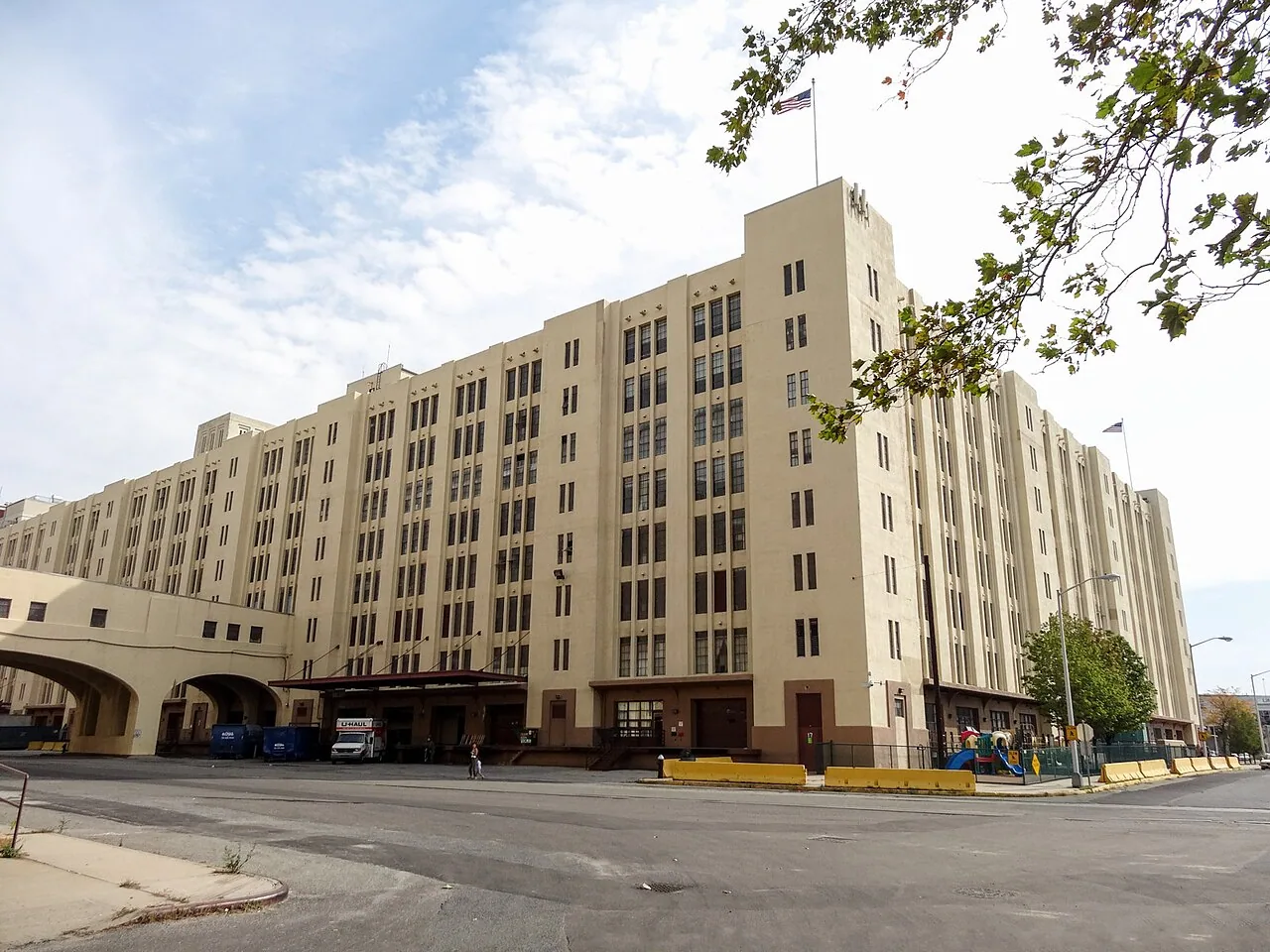
Choose a roof window that respects the congregation calendar
Worship services may be only one part of a building's weekly schedule. Ask the facility contact to identify childcare hours, weekday programs, funerals, rehearsals, food distribution, and community-room bookings that affect noise or access. The project plan can then describe which roof zone is available, where a lift or materials may be staged, and which entrances must stay open. Dates should be confirmed by the congregation rather than inferred from a general service time.
If active roof work sits above an occupied room, management can decide whether that room needs to be vacated or protected during the phase. The written scope should say what roofing protection is included and what remains the property's responsibility. If another building system must be shut down, coordinate it with the party that operates the equipment. That boundary is especially useful when a volunteer or facilities team handles parts of the property outside normal business hours.
A weather delay can affect a weekend service or an event already booked in the building. We can set daily work limits and identify the point at which a roof area will be closed and protected. Keep the agreed contact method available so the church representative can receive a change notice and confirm whether the next work area remains accessible.
Trace reports across sanctuary, classrooms, and meeting spaces
A water mark over a sanctuary ceiling, classroom, office, or kitchen does not by itself locate a roof opening. Water can travel beneath a membrane or along a structural member before it appears indoors. The report should record the room, date, weather, whether water is active, and any previous patch or interior repair. A floor plan with separate marks for each room helps show whether reports belong to one roof bay or several areas.
We review visible seams, curbs, penetrations, skylights, wall transitions, drains, and edges connected to the report. If the congregation has a steeple, rooftop sign, ventilation unit, or later addition, identify it in the roof plan so the relevant detail can be checked. The inspection notes should distinguish observations from assumptions. Concealed moisture cannot be confirmed through an intact surface alone; testing or a selective opening may be needed if that information could change the work boundary.
For a property with several buildings, keep the records separate by structure. A fellowship hall and sanctuary may not have the same assembly or repair history. A scoped review can document the area inspected, access limitations, and any follow-up needed, giving trustees and finance committees a defined basis for a decision.
Compare the roof choices against the next capital year
A repair may be suitable when a defect is limited and adjacent materials remain serviceable. If water entry recurs at different details, transitions have failed across a broad area, or patch work keeps returning to the same zone, compare a larger scope. The proposal should identify which roof areas are included and what condition supports each recommendation. Separate pricing by building or section can help a congregation prioritize needs without treating every roof as equally urgent.
A repair description should name the defect, location, method, and access assumptions. Replacement pricing should state preparation, assembly assumptions, edge and penetration details, drainage work, protection for occupied rooms, and phasing around events. If concealed damage is discovered, define who can approve a change and what documentation is required before work continues. That makes a bid useful to a board or property committee comparing timing with available capital.
Nearby Sea-Tac climate normals show wetter conditions from October through March and a drier midsummer period. Plan exposed work around the live forecast and the congregation's calendar. A commercial roof replacement can then be compared with a roof recover evaluation using the observed assembly and the decision date.
Keep a usable property record for trustees and staff
Assign one contact to arrange access, receive updates, and approve scope changes. During the work, track completed roof areas, temporary protection, new findings, and any dates affected by an event or weather. At closeout, provide the documents and photographs agreed in the contract, list remaining maintenance items, and identify any area that was not part of the work. That keeps future volunteers from having to rebuild the repair history from old email threads.
Routine records can include roof plans, inspection notes, invoices, leak reports, warranty paperwork, and photographs organized by building and date. When stewardship or finance teams review capital needs, those details can show whether a recurring call follows an earlier repair or reflects a separate condition. A follow-up inspection may be useful when the assembly contains concealed materials or when the repair scope left an adjacent question open.
Related work may include government building roofing, school roofing, senior living roofing, commercial roof inspection, roof drain and scupper work, and roof condition reports. At a church near Downtown Kent's civic and cultural district, confirm entrances, shared access, and event timing before staging roof work. Provide the roof record, access window, and capital decision date to start with a defined question.
Commercial Roofing Questions
Can roof work be planned around Sunday services and weekday programs?
We can plan by roof area after the church contact confirms service times, childcare, events, and rooms that must remain available. The scope should identify access routes, work zones, and temporary protection. A date remains subject to weather and the property being released as planned.
What should trustees compare in roofing bids?
Compare the roof sections, observed conditions, preparation, assembly assumptions, drainage and flashing details, access, protection, and change process. If one bid covers a different building or relies on different testing, clarify those boundaries before comparing totals. The capital decision should follow the verified roof condition and the congregation's timing needs.
Can a sanctuary leak be traced from the interior stain?
The stain narrows the search, but it does not establish the entry point. Water may travel under the roof surface or through the structure. We compare the room location with visible roof details and prior work, then state whether additional testing is needed to confirm the path.
Who coordinates equipment shutdowns during roof repair?
The party responsible for the equipment should handle its operation and shutdown unless the written agreement assigns that work to qualified personnel. We identify roof access, flashing, and sequencing needs, then document the handoff with the congregation's facilities contact.
Related Roofing Work
Tie the inspection to the building calendar
Share the roof plan, prior repair record, leak locations, service and event calendar, access instructions, and decision date. We will document the areas inspected and give the property team a scoped next step.