
Versico Commercial Roofing in Kent, WA
Roofing Manufacturers
A Versico label does not replace a current roof inspection. It may identify a product or project in the file, while the roof now includes repairs, additions, or conditions that the paperwork does not describe. We check the documents against accessible areas, map visible defects, and set a repair or renewal scope from what the field confirms. Commercial Roofing Contractors Kent can also organize maintenance and written condition reporting for an occupied property.
The Kent Valley includes a large concentration of industrial real estate and businesses in aerospace, manufacturing, logistics, and distribution. A roof above active loading or production may need phased access and a defined dry-in plan. Downtown Kent and the Kent Station area bring different tenant, visitor, and shared-space concerns. Neither location tells us which assembly is installed; it tells us which contacts and work windows to confirm.
Provide the roof plan, prior proposals, service records, warranty papers, leak history, and the date a budget or repair decision is due. We will identify the evidence needed to set the next scope.
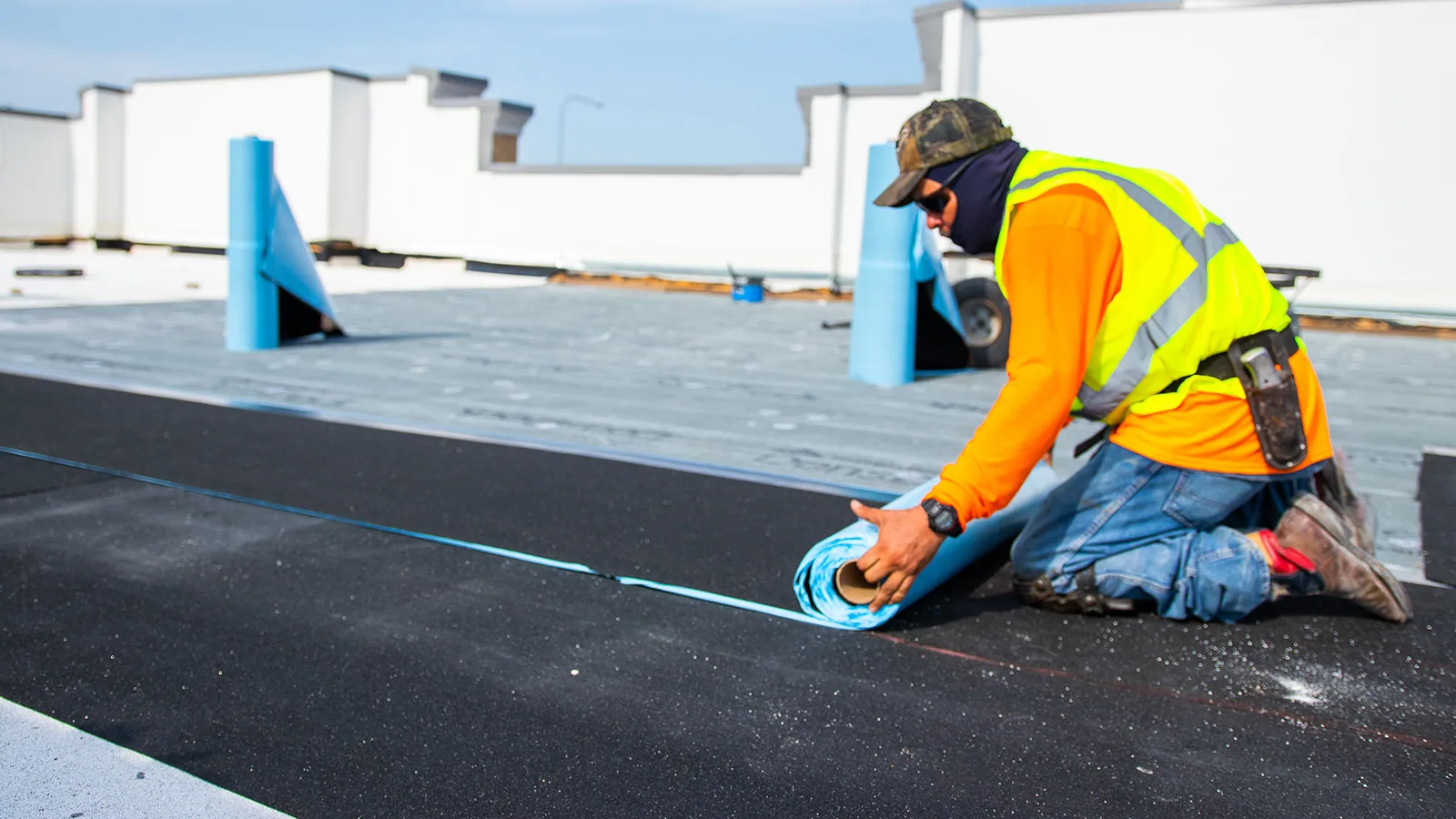
How should a Versico file be matched to the roof?
Compare project drawings, submittals, invoices, repair orders, and warranty documents by date and roof boundary. A portfolio spreadsheet may use the manufacturer name as a shorthand, but the building can contain multiple phases or separate structures. Confirm which area each record covers before using it to select repair materials or explain a warranty condition. If the document lacks a roof plan, note that limitation and map the field areas during inspection.
Look at the surfaces and transitions that affect water entry: seams or laps, penetrations, parapets, edges, drains, curbs, and previous patches. Photograph each condition with a zone label. A hands-on inspection can record visible details, and a roof condition report can separate photos, observations, testing, and open questions. Where concealed assembly layers control the estimate, identify a test location and secure owner approval before opening the roof.
When the file and field conditions conflict, list what is different and why it matters. A later repair may have changed a seam, flashing, or material without updating the original closeout. Keep that work as a separate record until a site visit or project document confirms how it ties to the surrounding roof. Do not treat one visible patch as proof that an entire section was rebuilt.
For warranty questions, use the actual document issued for the property. Record its scope, term, maintenance obligations, and any notification or repair procedure stated there. The manufacturer name alone does not establish what remains covered. If the owner cannot find the document, make retrieval a separate action and proceed with only the visible condition that can be assessed.
What should routine visits record?
A maintenance visit should follow a repeatable route while preserving building-specific observations. Check accessible seams, flashings, drainage openings, rooftop equipment supports, debris, and prior repair areas. Note where the roof could not be reached and why. Clear debris only where authorized and safe; do not turn a maintenance log into a claim that every section was inspected. Record the date, zone, observation, action taken, and remaining item.
Drainage details deserve attention after wind or heavy rain. A blocked outlet or damaged strainer can slow discharge and complicate a leak investigation. A drainage and scupper review can identify the visible restriction and the path toward the outlet. If moisture below the surface could alter repair quantities, an infrared survey may help choose areas for further evaluation when the roof construction and conditions support that method.
Sea-Tac has a seasonal rainfall gap, with the winter months wetter than high summer. Schedule exposed work around the on-site forecast and surface conditions. The roof should be checked under actual site conditions, and work planning should account for protection if an opening is made. Keep drainage routes clear throughout the shift and note any temporary condition that needs a return visit.
For a facility near Kent Station, confirm tenant access and where equipment may be staged. For a Kent Valley warehouse or production building, coordinate with the contact who controls loading and roof access. Put the contact's name or role in the service record so a follow-up does not depend on a general address note.
How should a Versico repair be priced?
A repair estimate should describe the defect, preparation, material compatibility review, flashing or seam work, access, protection, and completion check. Include the adjacent area that will be examined and state where the work stops. If removal reveals wet insulation or deck damage, the contractor should document it and obtain approval before expanding the scope. That process keeps an allowance from being mistaken for a measured repair.
When leaks recur or several zones deteriorate, compare the repair plan with a recover or replacement option. A repair proposal should give the owner a bounded scope, while a recover evaluation should establish whether the existing roof can support another assembly. If those conditions cannot be confirmed, a replacement estimate should show removal, insulation, edges, drainage, equipment coordination, disposal, and phases.
Material selection should be tied to the installed substrate and the documents that identify it. Confirm the installed membrane from property records and field observations before ordering compatible patch materials. The scope can include a sample or test opening when that answer will change the work. A separate Soprema-labeled roof or Duro-Last-labeled roof elsewhere in the owner's portfolio needs its own verification.
Price and duration can change with the number of repair zones, roof height, access equipment, removal depth, wet material, edge conditions, staging, tenant protection, and weather. Show allowances and exclusions clearly. For Kent Valley operations, include any load-route or production limits that affect mobilization; for Downtown Kent, include shared access or notice requirements. A bid should not assume the same schedule across different addresses.
What should be clear when the work is done?
Closeout should match the authorized scope. List the roof zones treated, dated photographs, materials noted, test or inspection result, and conditions left open. If the crew found a different assembly or concealed damage, attach the approval and revised scope. Keep the original estimate too, so the owner can trace why the work changed and which amount was authorized.
SR 167 connects the Downtown Kent study area through the Green River Valley, but route access does not determine a building's staging plan. The site contact still needs to confirm deliveries, roof access, and any restricted work hours. Keep that information with the building record for the next visit, especially when management changes.
A warranty record review can help the owner organize available terms and maintenance documents, while the Downtown Kent service area still requires a property-specific access release. The deliverable should leave the manager with completed work, unresolved conditions, and the next decision in separate lines.
Commercial Roofing Questions
Does the Versico name confirm which roof zones are covered?
The roof-specific documents define their own project and coverage boundaries. We compare those boundaries with the property plan and current field conditions. Where a later addition or repair falls outside the record, we identify it separately rather than extending the original description to the full building.
What happens if the membrane cannot be identified during inspection?
We record the visible condition and identify the point where material identity affects the repair method. An exposed edge, original submittal, or owner-approved test may resolve the question. Until then, any material-specific scope should remain open instead of being priced as confirmed work.
How does Kent weather affect a Versico repair?
Nearby Sea-Tac normals show wetter cool-season conditions and drier midsummer months, but a regional average is not a workday forecast. Surface dryness, temperature, rain, access, and the site's dry-in limit control when preparation proceeds. The plan should state how an exposed area will be protected if the shift pauses.
Can a maintenance visit include a repair?
Yes, when the defect is clear, the owner has authorized the work, and materials and access are ready. Keep the inspection finding, authorization, repair performed, and any remaining limitation in the same roof-zone record. If the scope expands after removal, stop for documentation and approval.
Related Roofing Work
Compare the Versico paperwork with current roof conditions
Send the roof plan, project documents, service history, access rules, and decision date. We will map the areas we can inspect and set the repair, maintenance, or renewal scope from those findings.