Duro-Last Commercial Roofing in Kent, WA
Roofing Manufacturers
An invoice that says Duro-Last is not a current condition report. It may identify a past project, but it does not show whether later work changed the assembly or what has happened since. We inspect accessible roof areas, compare the field with the records, and define repair, maintenance, or replacement work from the conditions we can verify. Commercial Roofing Contractors Kent keeps the estimate tied to the roof zone and the building's operating limits.
The Kent Valley Manufacturing and Industrial Center is a designated regional growth center with aerospace, manufacturing, advanced trade, and distribution activity. Kent Station, in Downtown Kent, combines retail and services with commuter rail access. A project in either setting needs a site contact who can confirm staging and work windows. The location does not confirm roof material or access.
Send the roof plan, service history, previous proposals, leak reports, available warranty documents, and the date you need a decision. We will separate record information from field observations and identify the next step.
What does the Duro-Last paperwork cover?
Check the project date and roof boundary on each drawing, submittal, invoice, and warranty document. A building can have a main section, canopy, addition, or detached structure with separate work records. Do not apply one product label to every area unless the documents show that connection. Where the plan is unclear, mark the uncertain zone and confirm it during the visit before choosing repair materials.
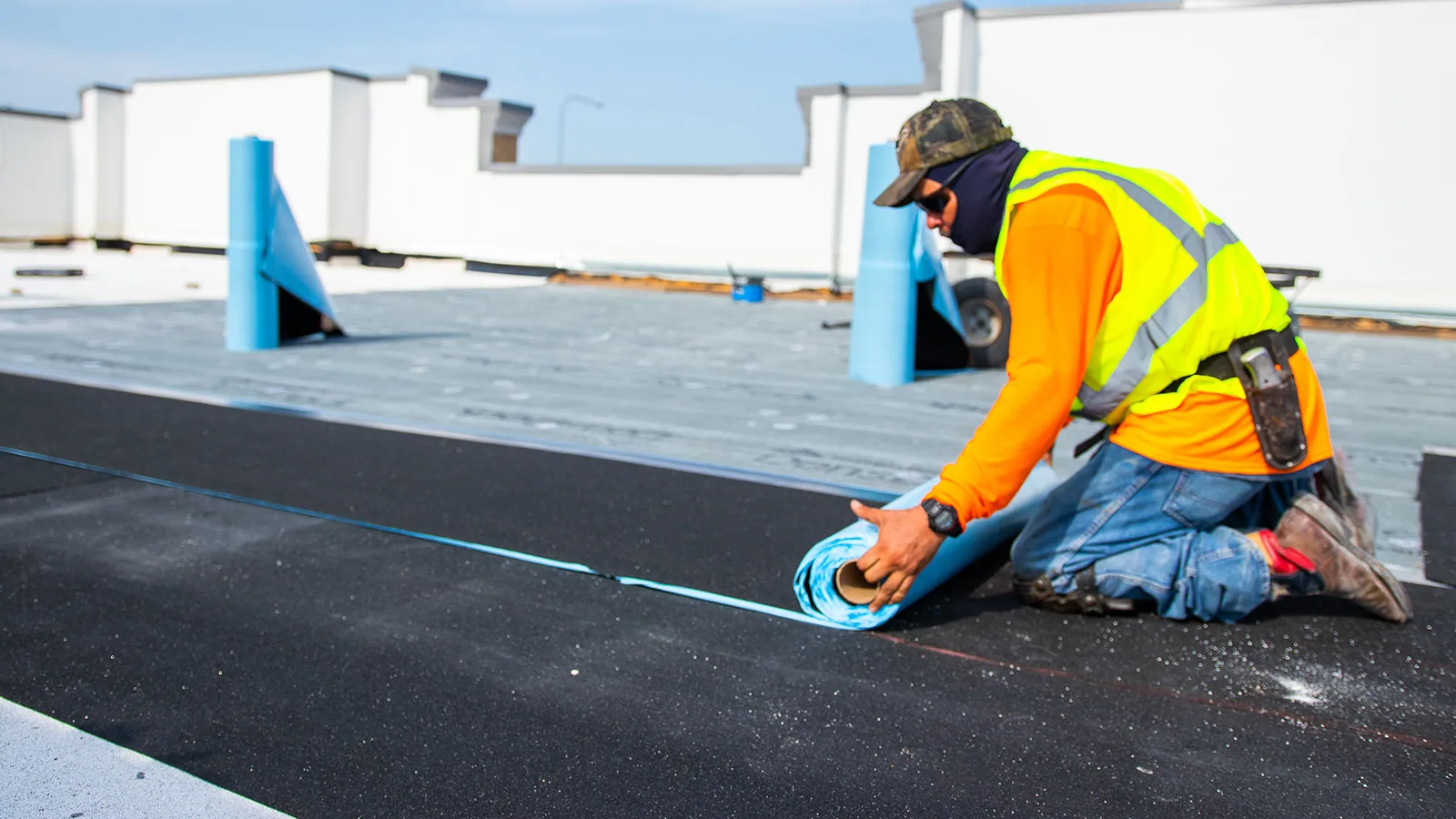
Photograph the roof field, seams or joints, edge conditions, penetrations, drains, curbs, and earlier patches. Identify each location on a plan or zone map. A commercial roof inspection can record what the authorized access allows, and a photo condition report can preserve the date, location, finding, and follow-up. Keep reported leaks separate from defects actually seen on the roof.
If concealed layers could change the estimate, state the question a test would answer. That may involve an exposed edge, a small approved opening, or a moisture assessment. A test result applies to its location, so do not use one sample to claim the condition across a large roof. Show how the finding will change the removal limit or repair choice before requesting authorization.
Warranty terms depend on the document issued for the project and any later work. Review the actual covered areas, effective dates, owner obligations, and service requirements. If the owner cannot locate the record, make retrieval part of the job preparation. An estimate should not promise coverage or state a term based only on the brand entry in an invoice.
Where should the inspection look first?
Start with the leak report and trace nearby roof details. Inspect seams or field joints, corners, penetrations, parapets, edges, drains, rooftop equipment, and previous repairs. A visible opening may be isolated, while repeating failures in different zones can point to broader deterioration. Record the surrounding material and the condition of the tie-in area, not just the point where water was reported indoors.
Water can move through the assembly before staining a ceiling or wall. Compare the interior location with roof observations and note whether the likely path is supported by a visible condition. If moisture beneath the surface could change the work, an infrared moisture survey may help identify areas for further examination when the roof construction and conditions are suitable. A test opening may still be needed to confirm what is concealed.
Drainage is another part of the water path. Check for blocked outlets, damaged strainers, low points, and signs that water is not reaching a drain or scupper. A drainage review can identify the visible issue and its location. If the roof must remain open during repair, keep outlets clear and specify how the work area will shed water during the shift.
The long-term airport record is rainier in autumn and winter, with a dry stretch in midsummer. Use it as a nearby regional comparison, not a site forecast for Kent. Confirm the actual forecast, roof surface, access, and protection plan each day. The scope should say how a delayed shift will leave the assembly secure.
What repair scope can the evidence support?
For a localized defect, define preparation, materials, seam or flashing detail, access equipment, protection below, and closeout check. State the boundary and the condition that would require a pause. If removal exposes wet insulation, corrosion, or a damaged deck, photograph it and obtain approval before expanding the work. The owner should know what the base price includes and which findings could change it.
When repairs recur or several areas have deteriorated, compare the cost and timing of continued repairs with renewal. A commercial repair proposal should identify a bounded result. A recover review should establish whether the existing layers, deck, and drainage can support another assembly. A replacement estimate should include tear-off, insulation, edge details, drains, equipment, disposal, and phasing.
Price changes with roof area, number of zones, height, access equipment, removal depth, wet materials, perimeter details, staging, and protection for occupants or operations. Keep confirmed quantities separate from allowances. In the Kent Valley MIC, delivery or production windows may affect mobilization. Near Kent Station, tenant circulation and shared parking may change staging. Confirm those conditions with the site contact before locking the work sequence.
Do not infer remaining service life from a manufacturer label or a single inspection. A timing recommendation should state the repair history, current findings, areas not reached, and review date. When an owner has a capital deadline, include the testing or access needed to make the next estimate more reliable.
How should the site manage access and closeout?
Before work, confirm who can release the roof, whether an escort or key is needed, where a lift or materials can stage, which paths must stay clear, and what hours are available. An industrial contact may need to protect a loading route or production shift. A Kent Station-area property may need tenant notice and visitor routing. Those details belong to the property, not a generic manufacturer work plan.
Plan each roof zone so crews can close it safely if weather or a concealed condition interrupts the shift. Identify the opening limit, dry-in method, protection below, and the person who verifies the area before the crew leaves. If the assembly differs from the documents, pause for a revised scope. The owner should see the finding and its schedule or price effect before the work continues.
At completion, document work by zone with dated photographs, repair materials, inspection results, and any area still under observation. Keep the signed estimate, change approvals, and closeout notes together. A warranty document review can help organize the available terms; it cannot replace the specific project document. A Kent Valley MIC site visit also requires confirmation from the building contact.
Where different roofs share a portfolio, compare one file at a time. A Holcim Elevate-labeled record or Sika Sarnafil-labeled record should retain its own dates, boundaries, observations, and approvals. Do not carry repair findings or warranty assumptions from one roof to another.
Commercial Roofing Questions
Can you identify a Duro-Last roof from an invoice?
The invoice can identify a past project, but it does not show whether every roof area matches that scope today. We compare its date and boundary with plans, repair records, and accessible field conditions. Any addition or conflicting area stays separate until the records or inspection resolve it.
How do you decide whether to repair or replace?
A limited defect with stable surrounding material may support repair. Repeated leaks, widespread deterioration, wet insulation, or deck concerns can justify testing or a replacement comparison. The recommendation states what was observed, what remains concealed, and which result would change the repair boundary.
Can the crew work around a Kent business schedule?
We confirm the contact, work hours, loading or tenant limits, equipment route, and daily dry-in plan before setting a sequence. Kent Valley operations and Kent Station access create different coordination questions. Weather and roof surface conditions still determine whether a particular task can proceed that day.
What should I keep after a Duro-Last roof repair?
Retain the approved scope, repair date, zone photographs, materials noted, test results, warranty record, and any remaining limitation. Keep added-work approvals with the closeout file. That record lets a future manager see what the price covered and which area still needs inspection.
Related Roofing Work
Confirm the Duro-Last record before committing to the scope
Share the project paperwork, leak history, access contact, and decision deadline. We will compare the file with accessible conditions and provide a repair or renewal scope that identifies its limits.