
Self-Storage Roofing in Kent, WA
Property Types We Roof
A self-storage roof may cover long rows of units, office space, corridors, loading areas, and multiple building phases. A water report can threaten stored property before the facility team knows which roof bay is involved. The first decision is how to isolate the affected area and determine whether the roof condition is local or repeated elsewhere. Commercial Roofing Contractors Kent can inspect the reported sections and prepare a repair or replacement scope tied to the visible evidence.
Provide the site address, unit or aisle locations, dates of water entry, roof plan, earlier repairs, and the contact who can arrange access. Note gate hours, customer traffic, drive aisles, loading areas, office coverage, and any restrictions on lift or material staging. Kent Valley is a major regional industrial and distribution center connected to SEA Airport and the Ports of Seattle and Tacoma. East Hill activity centers along the Kent-Kangley corridor add a different mix of local access conditions. These broader patterns inform the questions we ask, while the facility manager confirms its actual circulation rules.
Unit numbers can help narrow a report, but they do not establish the roof opening. Map each report to the building and bay, then compare it with roof seams, penetrations, edges, and drainage. A clear record can help separate one repair from a broader capital concern.
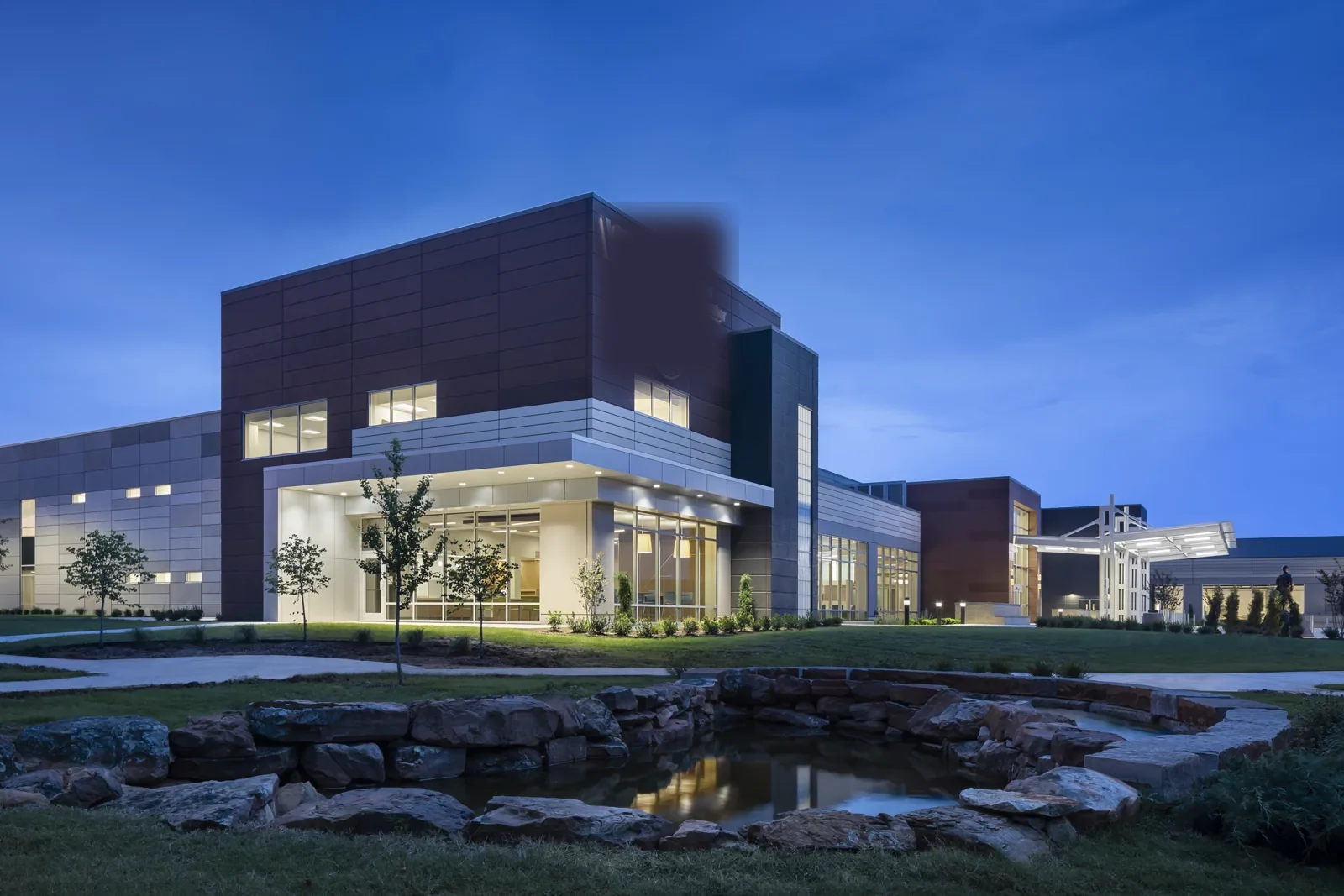
Turn unit reports into a roof-zone map
Ask the site team to record each reported unit, corridor, office, or loading area with a date and photograph. Note whether the water appeared during or after rain and whether staff saw active dripping, staining, or damp contents. Separate reports by building and row; adjacent units may sit beneath one roof section, while a single building can have several additions or different assemblies.
At the roof, we compare the report locations with seams, fasteners, penetrations, wall transitions, equipment supports, edges, and drains. Water may move before it reaches a ceiling or stored item, so the closest roof detail is a candidate to inspect rather than a proven source. If several reports follow the same roof line, examine whether they share an exposed transition or drainage path. If reports are scattered, keep them distinct until evidence shows a common condition.
A roof inspection records accessible areas and visible findings. If the roof surface hides insulation condition, explain whether selective openings or a moisture survey would change the repair boundary. Any area that could not be reached should be listed as a limitation. That lets the owner decide whether to approve further access instead of assuming every section was cleared.
Keep drive aisles, gates, and customer entry usable
Storage customers often need vehicle access close to their unit, so material drops, lift positions, and work zones can affect circulation. The manager should identify gate schedules, emergency lanes, loading zones, office hours, and any drive aisle that cannot be blocked. A facility near Kent-Kangley and SR 515 may face corridor traffic considerations, while a Kent Valley property may coordinate with industrial deliveries. The address and site plan determine the actual route; a regional location name is not a substitute for a field access review.
Before mobilization, confirm whether the crew checks in at the office, uses a designated gate, or needs an escort to controlled areas. Mark the roof hatch or ladder access and identify any restrictions on equipment or staged materials. If tenant or customer notices are part of the facility's policy, the manager can select the timing and method. The roofing scope should give management a list of affected zones and expected access needs.
For larger roofs, a sequence by building or roof bay can preserve some customer circulation while work continues elsewhere. Show where temporary protection sits and how the crew will leave the roof at the end of a shift. If the building has areas with different operating hours, confirm them individually rather than assuming one schedule applies across the property.
Set a repair boundary that matches the evidence
A local repair may be appropriate when inspection identifies one defect and surrounding materials appear suitable for that correction. Multiple reports, repeated failure at similar details, widespread deterioration, or prior repairs with short-lived results may point to a larger issue. The scope should show each location and explain the evidence behind grouping them. If water-sensitive contents are involved, management can decide on immediate protection while the roof assessment identifies the durable corrective work.
Repair pricing should specify the roof area, method, preparation, and assumptions about existing material. A replacement bid should identify each building included, roof assembly assumptions, insulation and deck treatment, flashing and edge details, drainage, traffic controls, and temporary cover. If phases leave transitions or temporary edges, name them and explain the completion condition for that stage. This gives the owner a way to compare a full project with a sequence tied to the capital year.
Keep repair invoices, dated site reports, roof plans, and photos together by building. A manager who can see whether calls return to a prior patch or emerge in another row can make a better decision about future inspection and maintenance. For an existing roof, drain and scupper work or edge-metal repair may be part of the scope if field findings support it.
Make tenant coordination part of the work record
Name the facility contact who will approve access, notify customers if needed, and receive any request to change the scope. During work, record roof areas completed, temporary conditions, delayed sections, and findings that differ from the bid. If a concealed condition appears, document its location and present the options to the authorized owner before adding work. This creates an auditable path from the original leak report to the final work record.
At closeout, list completed roof zones, provide agreed photographs, note maintenance observations outside the contract, and state which areas were not part of the project. Keep that information with the site's roof map so the next maintenance decision starts from an accurate baseline. A preventive inspection can then focus on known transitions and prior repair locations rather than restarting from incomplete records.
Related property scopes include warehouse roofing, flex-industrial roofing, and distribution-center roofing. Service work may include commercial roof inspection, preventive roof maintenance, and commercial roof replacement. For East Hill properties, see Kent-Kangley service-area information. Share the unit map, access rules, repair history, and decision date so the recommendation has a clear operating context.
Commercial Roofing Questions
What details help find a leak over a storage unit?
Record the unit or aisle, building, date, photographs, and whether the water was active or left a stain. Include any prior patch locations and recent roof access. We compare those details with roof seams, penetrations, edges, and drainage; the interior location alone does not establish the opening.
Can storage customers still reach their units during repairs?
That depends on where the work, lift, and material staging fall relative to gates and drive aisles. The manager should identify clear routes and any access periods that cannot be interrupted. We can then define work zones and temporary controls for approval before scheduling.
Should repairs be priced by building or for the whole property?
Separate pricing by building or roof zone is useful when assemblies, conditions, or access differ. A combined option can still be shown if the scope clearly lists each included area and transition. The owner can compare immediate repairs with a phased capital project using the same findings.
How should stored property concerns affect the response?
Management can identify units or contents at immediate risk and handle customer communication under facility policy. We inspect the roof condition and define any temporary roof-side protection included in the work. Keep the temporary response separate from the permanent repair recommendation so both decisions stay visible.
Related Roofing Work
Link every report to a building and roof bay
Send the site map, unit-level leak log, roof records, customer access rules, and capital decision date. We will inspect the reported roof zones and provide a repair or replacement scope with stated boundaries.